Why Macao’s streets feel so crowded
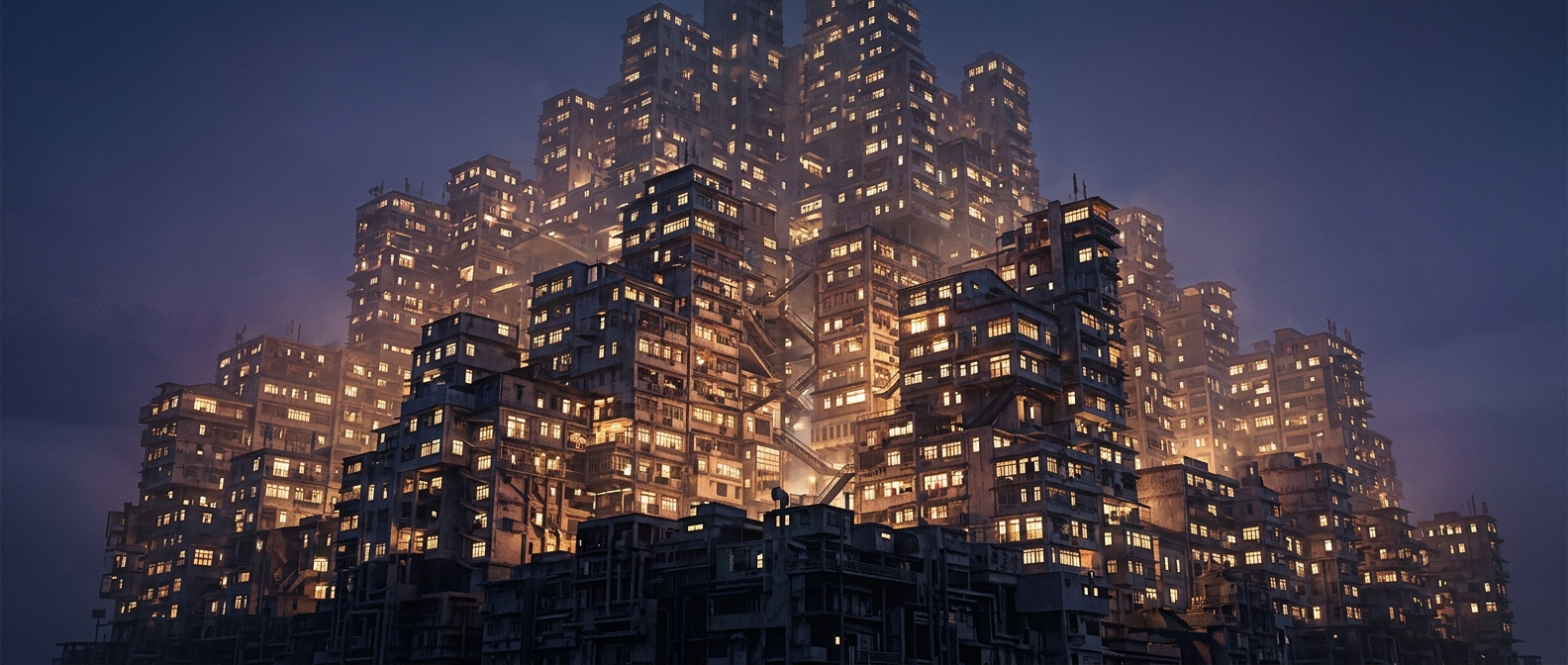
Macao’s high population density is not just a matter of tall buildings. The city is a small territory, and much of its daily life is concentrated on the Macao Peninsula, where homes, shops, schools, and visitor attractions share a tight street grid. A density figure counts residents against land area; it does not include the additional people arriving to visit, so busy districts can feel more crowded than the population statistic suggests.
Building upward—and outward
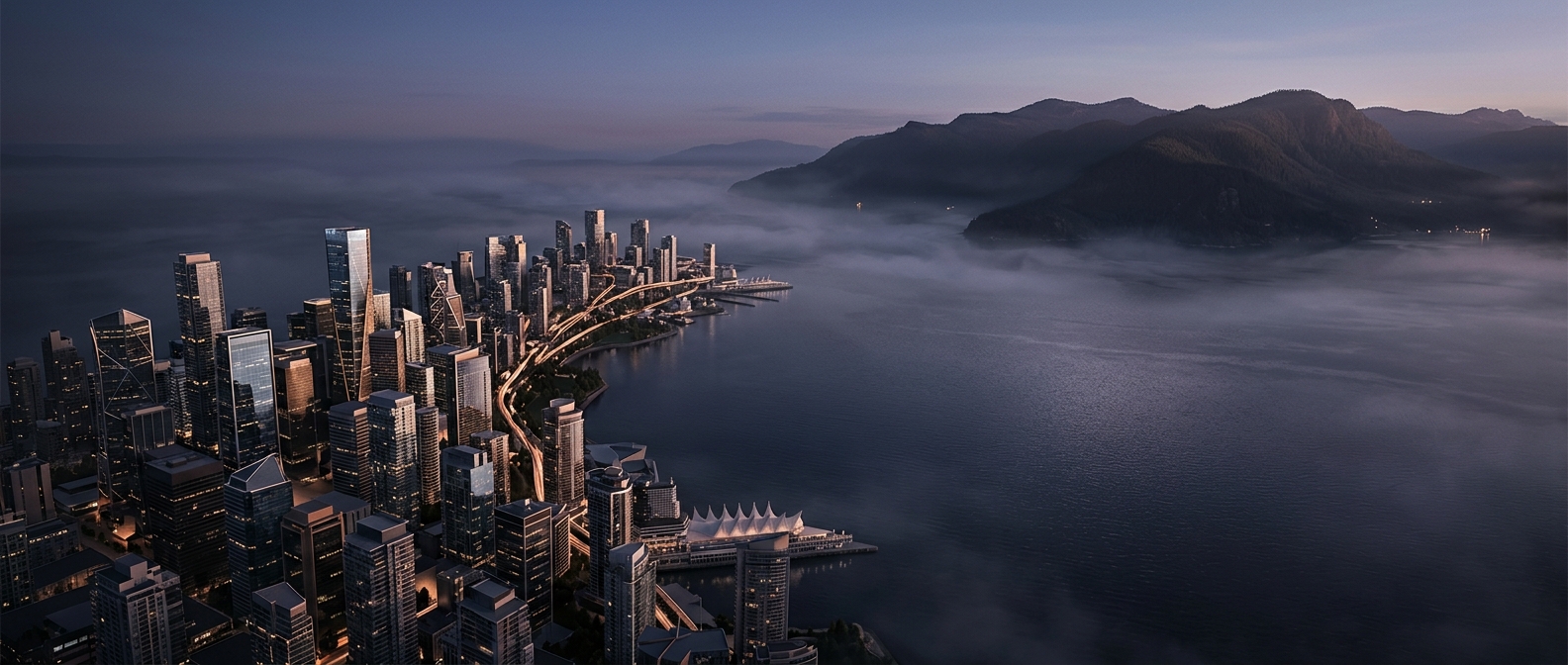
Where expanding across land is difficult, construction tends to go vertical. Apartment blocks and casino resorts put many homes, hotel rooms, and businesses on a compact footprint. Macao has also created land through reclamation, extending its usable area into the water, but new ground does not automatically make the existing street network wider or move destinations farther apart.
That creates a distinctive contrast: large resorts can contain elaborate indoor spaces, while outside, pedestrians and vehicles funnel through narrow streets and busy crossings. The crowding is especially noticeable where local errands and tourist routes overlap.
Visitors add pressure in the same places
Tourists do not raise the resident-density statistic, but they do increase the number of people using transport, sidewalks, and public spaces at particular times. Because major attractions sit close together, visitors often converge on the same corridors rather than spreading evenly across the territory.
The result is a place where a short distance on a map can involve a dense sequence of buildings and people. Macao’s limited land shapes not only how high it builds, but also how closely residents’ routines and visitors’ itineraries meet.