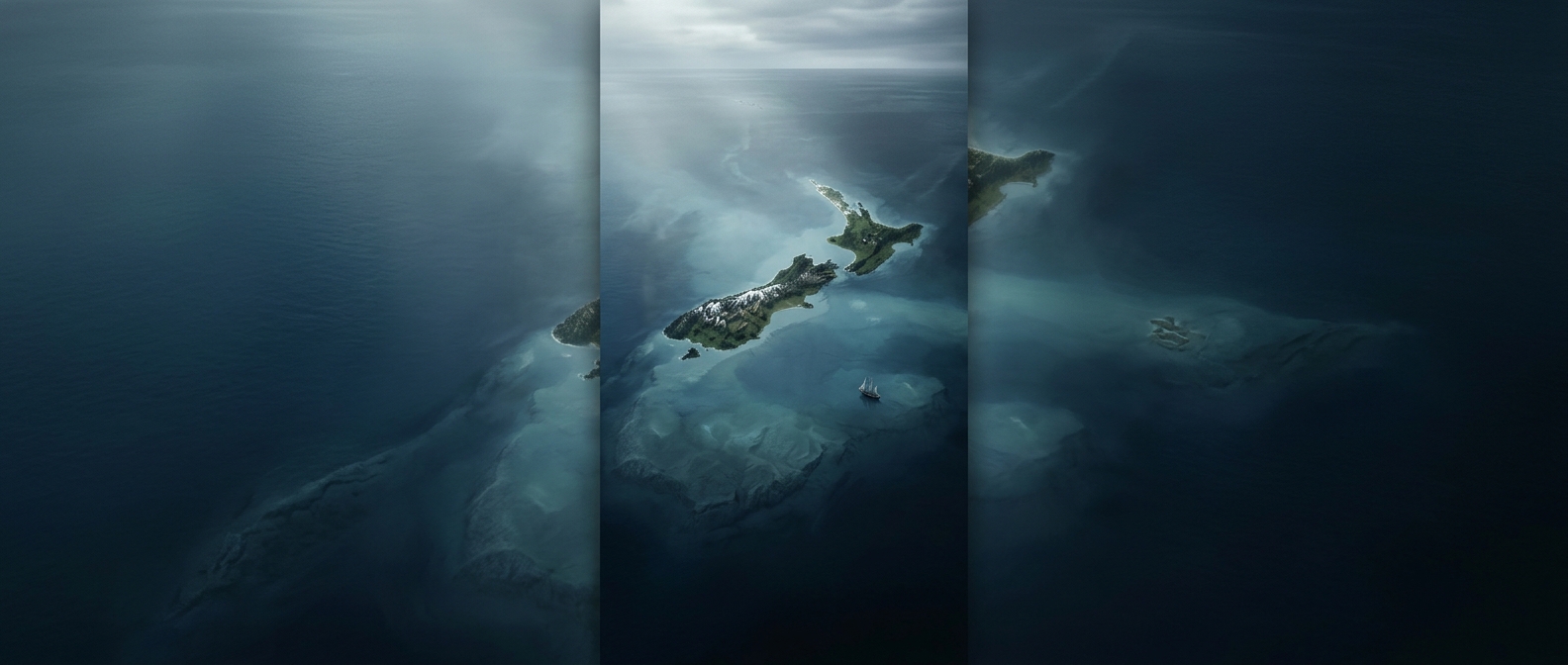
One name, two places on opposite sides of the water
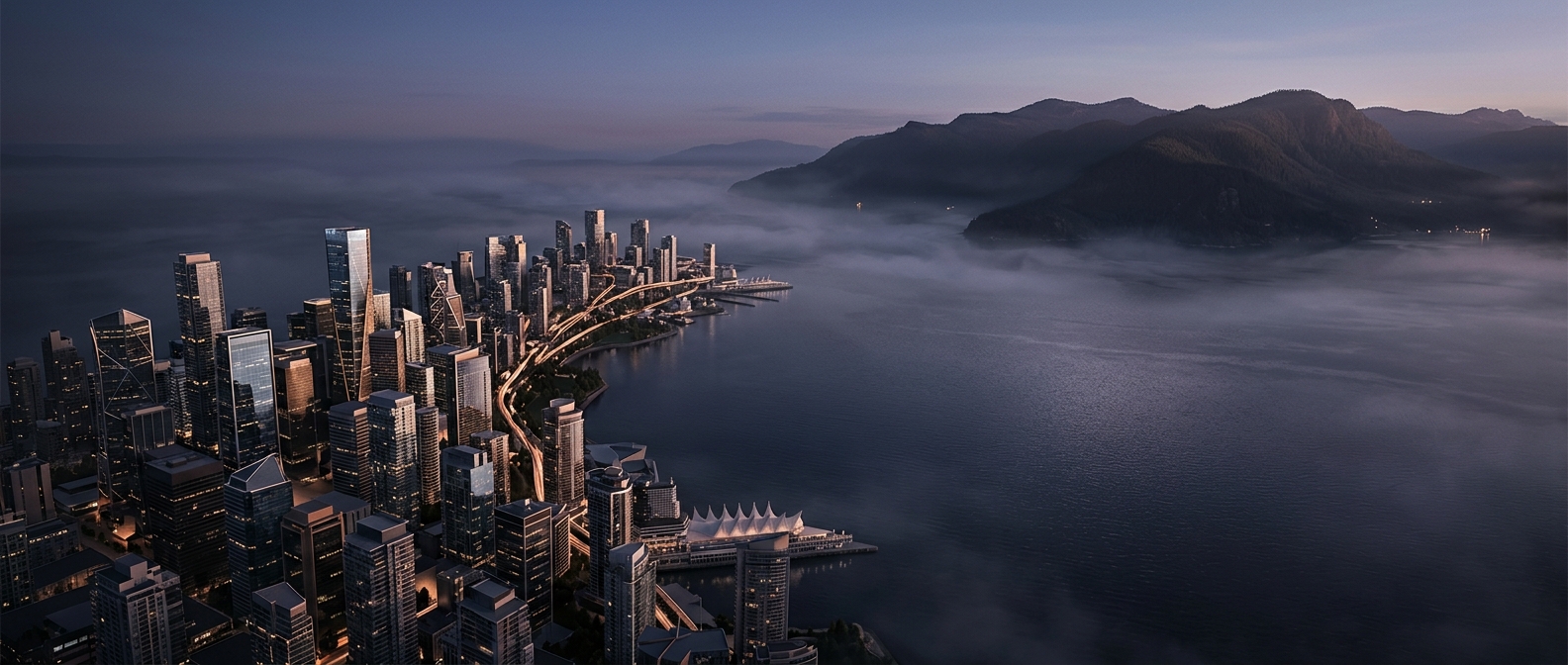
Vancouver and Vancouver Island share a name, but they occupy different parts of British Columbia’s coast. The city sits on the mainland, beside the Strait of Georgia; the island lies across that strait, separated from the mainland by a broad stretch of water.
The shared name points back to the same person: British naval officer George Vancouver, who explored and charted parts of the Pacific Northwest coast in the late 18th century. The island and the city were named in his honor at different times. The name does not mean the city is on, or administratively part of, the island.
The water makes the distinction practical
Getting from the city to the island means crossing the Strait of Georgia by ferry or plane. A common ferry route runs from Tsawwassen, south of Vancouver, to Swartz Bay, near Victoria. The ferry does not arrive in Vancouver itself, and Victoria—the island’s best-known city—is a separate drive from the terminal.
That geography matters when planning a trip: “Vancouver” may mean the mainland city, while “Vancouver Island” is a large region with its own communities and travel distances. The shared name is a historical link, not a sign that the two destinations are neighbors on the same piece of land.