Why the Wind Changes a Flight’s Clock
A jet stream is a narrow band of fast-moving air high in the atmosphere. It forms where large temperature contrasts create strong winds, especially near the boundaries between weather systems. Because these air currents generally flow from west to east, their direction can either help or hinder an airplane crossing them.
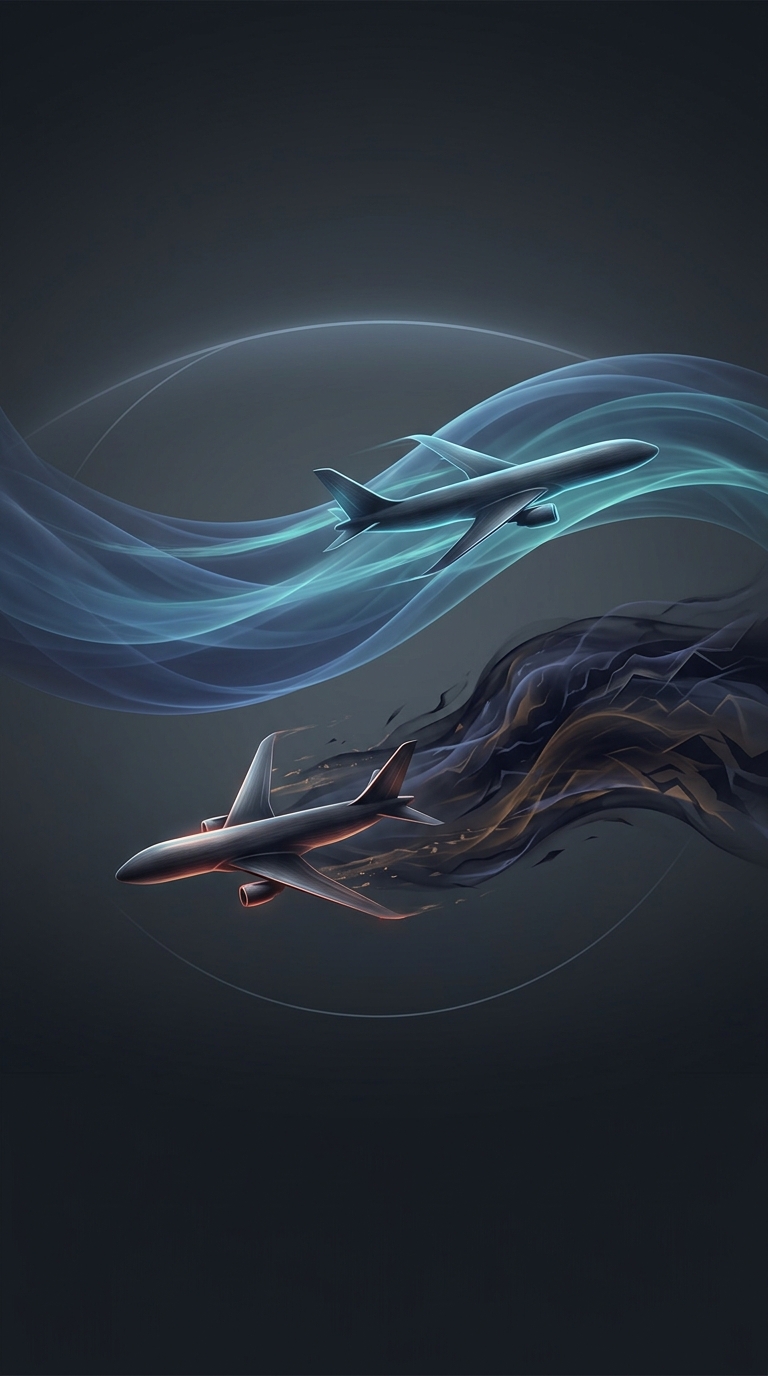
The key distinction is airspeed versus ground speed. Airspeed is how fast a plane moves through the surrounding air; ground speed is how quickly it covers distance across the Earth. A tailwind adds to ground speed, while a headwind subtracts from it. The engines may be doing the same work, but a plane flying into the wind makes less progress over the ground each hour.
Routes Are Planned Around the Current
Airlines do not simply follow a fixed line between two airports. Dispatchers and pilots use wind forecasts to choose routes and cruising altitudes, balancing favorable winds against weather, air traffic, fuel use, and the extra distance a detour might add. The jet stream’s position and strength change, so the advantage varies from flight to flight.
That is why the eastbound and westbound versions of a long-distance route can have noticeably different scheduled times. On a westbound trip, crews may seek weaker headwinds or avoid rough air, but they cannot always escape the current without taking a longer path. The clock difference is the result of moving air changing how fast the aircraft covers ground—not of the airplane itself flying faster in one direction.