How Saturday Became Part of the Weekend
The two-day weekend did not arrive as a single concession. For many workers, Sunday was already a customary day of rest, often tied to religious observance. The larger fight was to make Saturday a regular day off too—and to limit the long hours that left little time for family life or recovery.
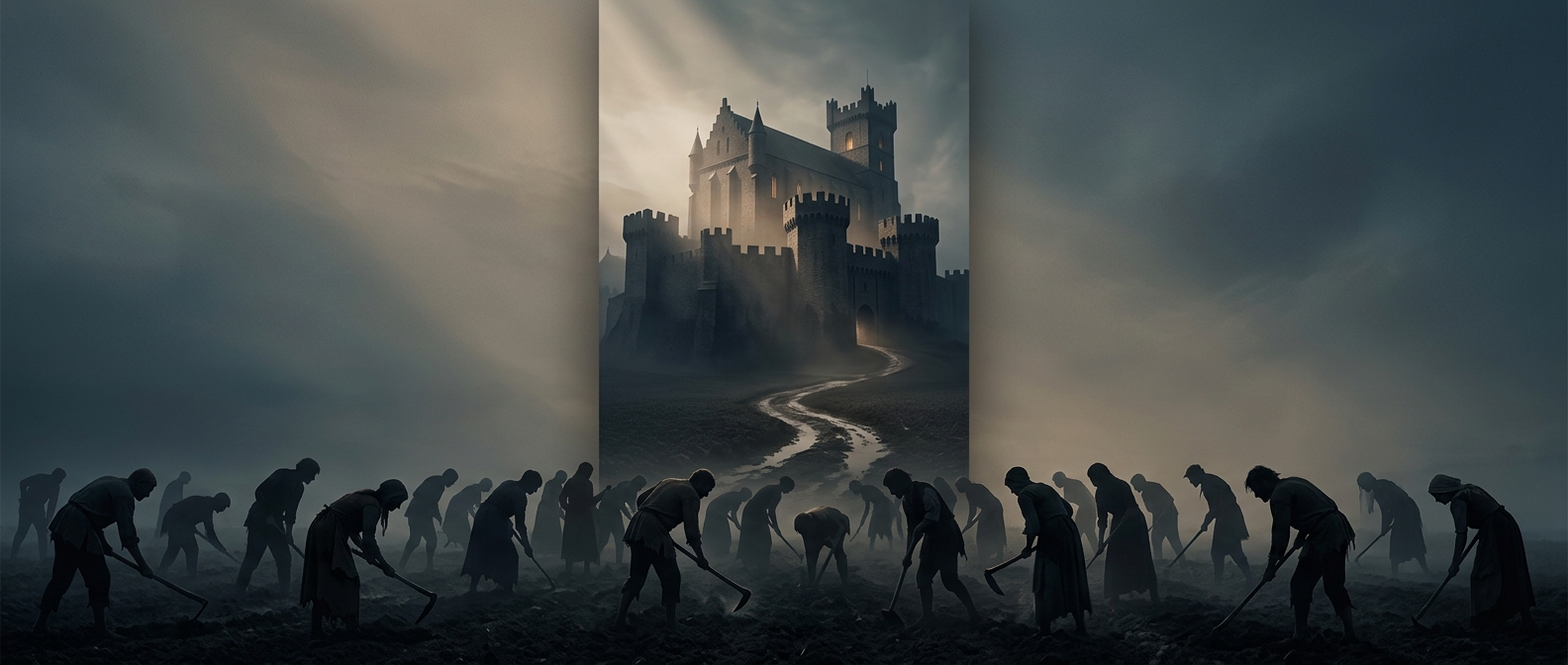
Workers had few ways to press for that change individually. A worker who refused a schedule could be replaced; organized workers could instead stop production together. Strikes and protests gave unions leverage, while employers and authorities sometimes responded with force. The conflict was not only about the number of hours on a clock: it was about who had the power to set the terms of work.
From a Demand to a Standard Schedule
Unions pushed for shorter hours and a shorter workweek through campaigns, bargaining, and political pressure. Progress varied by industry and place. Some workers gained Saturday afternoons or other partial breaks before a full two-day weekend became common.
A significant example came in 1926, when Ford Motor Company adopted a five-day, 40-hour workweek for many of its workers. Ford did not invent the weekend, and its decision followed years of labor organizing and changing work practices. But a large employer adopting the schedule helped demonstrate that factories could operate with two days off rather than six.
The Tradeoff Behind the Days Off
For workers, a shorter week meant more time outside the factory and a measure of protection from exhausting schedules. For employers, it meant reorganizing shifts and production—and, in some cases, hoping rested workers would be more productive. The balance of power mattered: a schedule became durable when workers could win it collectively or when employers found it practical to adopt.
That is why the weekend is more than a calendar convention. It reflects a hard-won limit on how much of a person’s week an employer could claim.