Sonic’s shoes were part of the pitch
In Sonic Adventure 2, Sonic’s chunky footwear echoed Soap Shoes, a real late-1990s brand made for grinding on rails and other smooth edges. The shoes had a hard plastic plate set into the sole: skaters could lock that plate onto a surface and slide along it. Sonic’s rail-grinding animations turned the same idea into a move players could perform at speed.
A product feature became a game mechanic
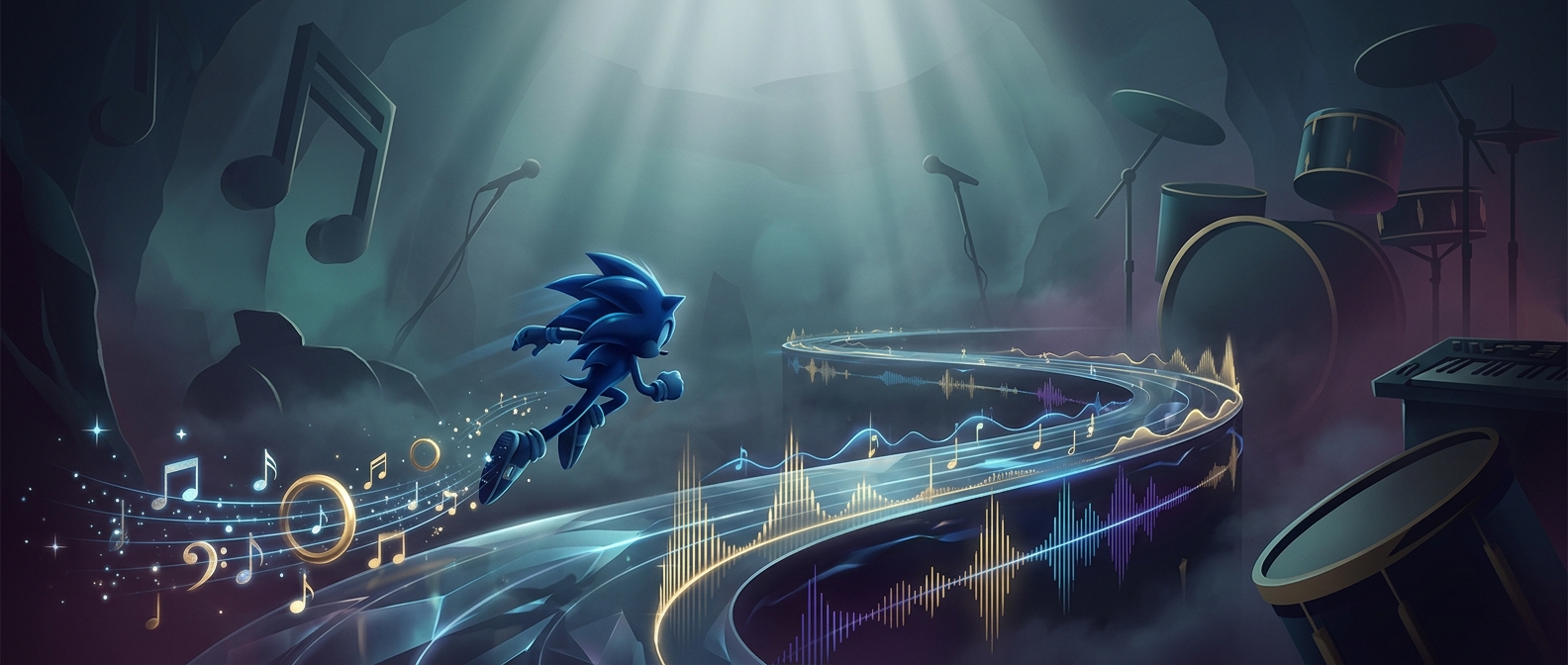
That match gave the brand more than a cameo. Players repeatedly watched Sonic land on rails, balance, and zip through levels—actions that made the shoes’ unusual shape and purpose legible without an explanation. The game translated a niche action-sports activity into a bright, repeatable spectacle, with Sonic acting as its most visible user.
The fit also suited the game’s audience. Soap Shoes were aimed at young people drawn to skate and street culture; Sonic games already reached a large teenage audience. Putting the product into the character’s design connected those worlds at the point where the game was most memorable: movement.
The commercial logic of looking playable
This was product placement built into play rather than inserted as a separate advertisement. The branded shoe helped explain why Sonic could grind rails, while the grinding gave the shoe a distinctive function to show off. Players were not simply looking at a logo; they were seeing the product’s central trick dramatized by the game’s hero.
The result made a piece of footwear part of Sonic’s action vocabulary: the shoes were not just something he wore, but an explanation for how he could turn a rail into a racetrack.