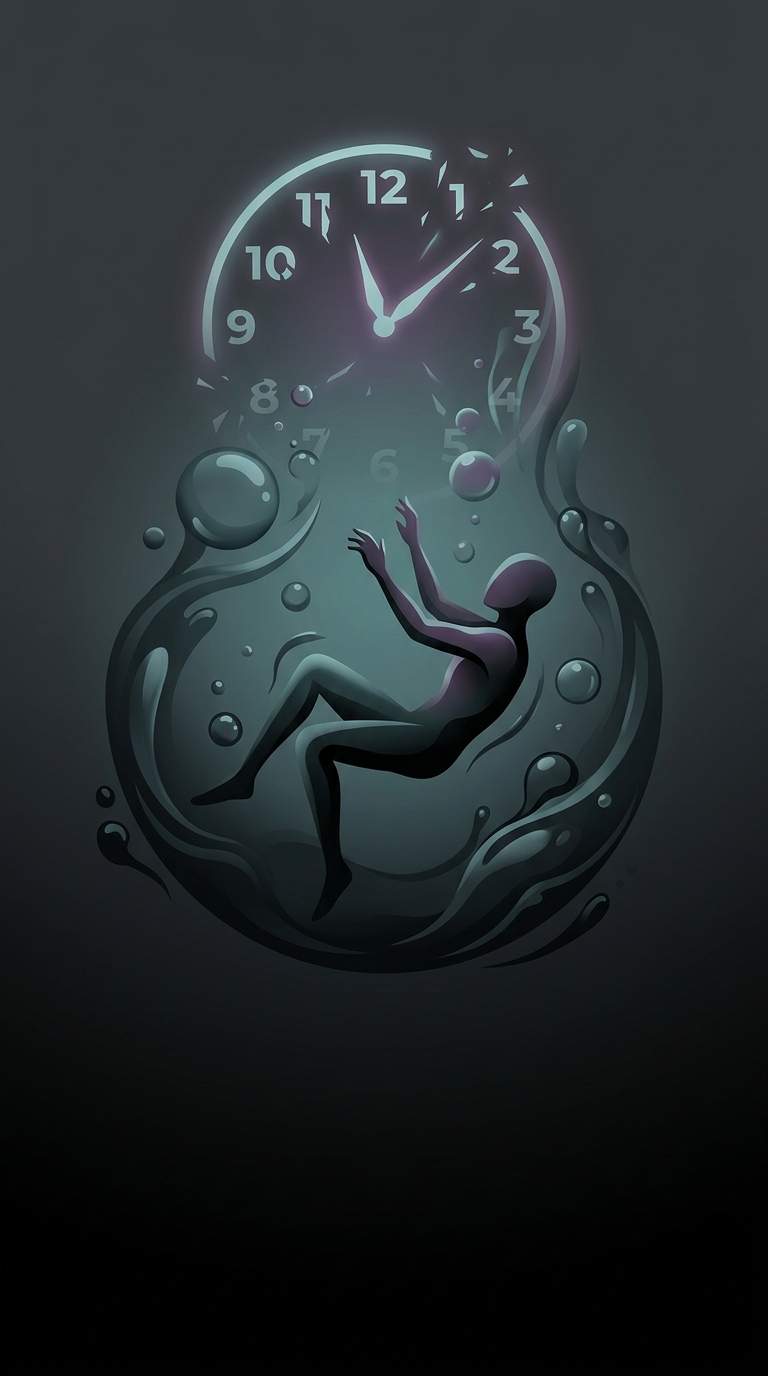
Why Water Turns Sonic’s Speed Into a Countdown
Sonic’s underwater danger works by reversing the game’s central pleasure. On land, momentum and speed let players sweep through a level; underwater, movement becomes sluggish, and the familiar routes are harder to clear quickly. The player is no longer trying simply to go fast. They are trying to find air before the clock runs out.
That change makes water more than a different-looking obstacle. It forces players to abandon the habits that usually make them effective: rushing ahead, taking broad jumps, and trusting momentum. A deep pool becomes a problem to solve under pressure.
How the Warning Becomes Part of the Threat
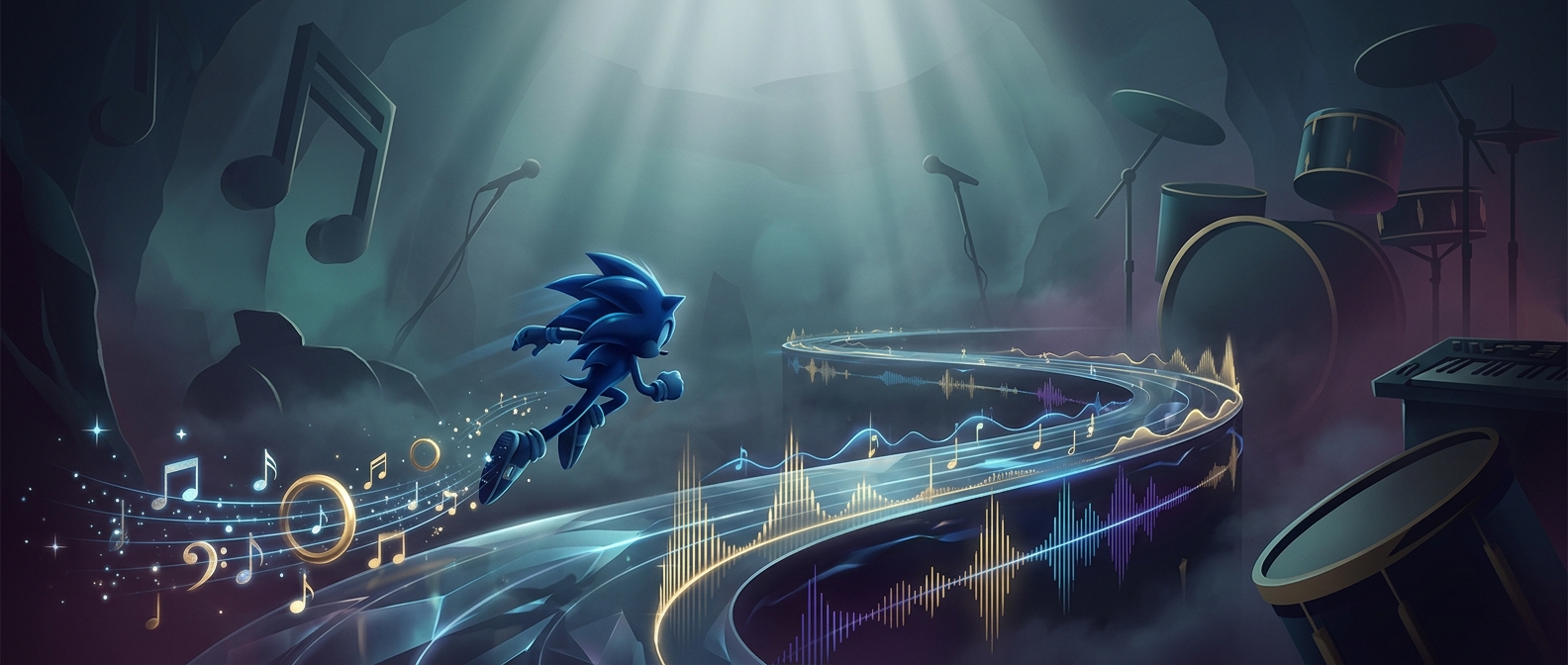
The drowning sequence gives that pressure a clear escalation. Sonic has a limited time underwater, and the warning music speeds up as the deadline approaches. The rising tempo communicates danger without requiring the player to stop and read instructions; it also makes every second feel more urgent.
The timer is paired with a practical escape route: air bubbles that Sonic can collect to replenish his supply. Finding one turns a desperate search into a moment of relief, while missing it keeps the countdown moving. Because the player can hear danger intensifying, even a short delay can feel consequential.
A Small Rule With a Long Memory
This is effective game design because the warning connects sound, movement, and stakes. The music does not merely announce that Sonic is running out of air; it changes how the player experiences the whole level. A calm swim can become a frantic search for the nearest bubble, and a familiar countdown cue can bring that tension back instantly.
The real-world swimming ability of hedgehogs is not what makes the sequence work. In the game, water matters because it temporarily takes away Sonic’s defining advantage—and gives the player a deadline to get it back.