Why a Game’s Credits Can Feel Like a Final Test
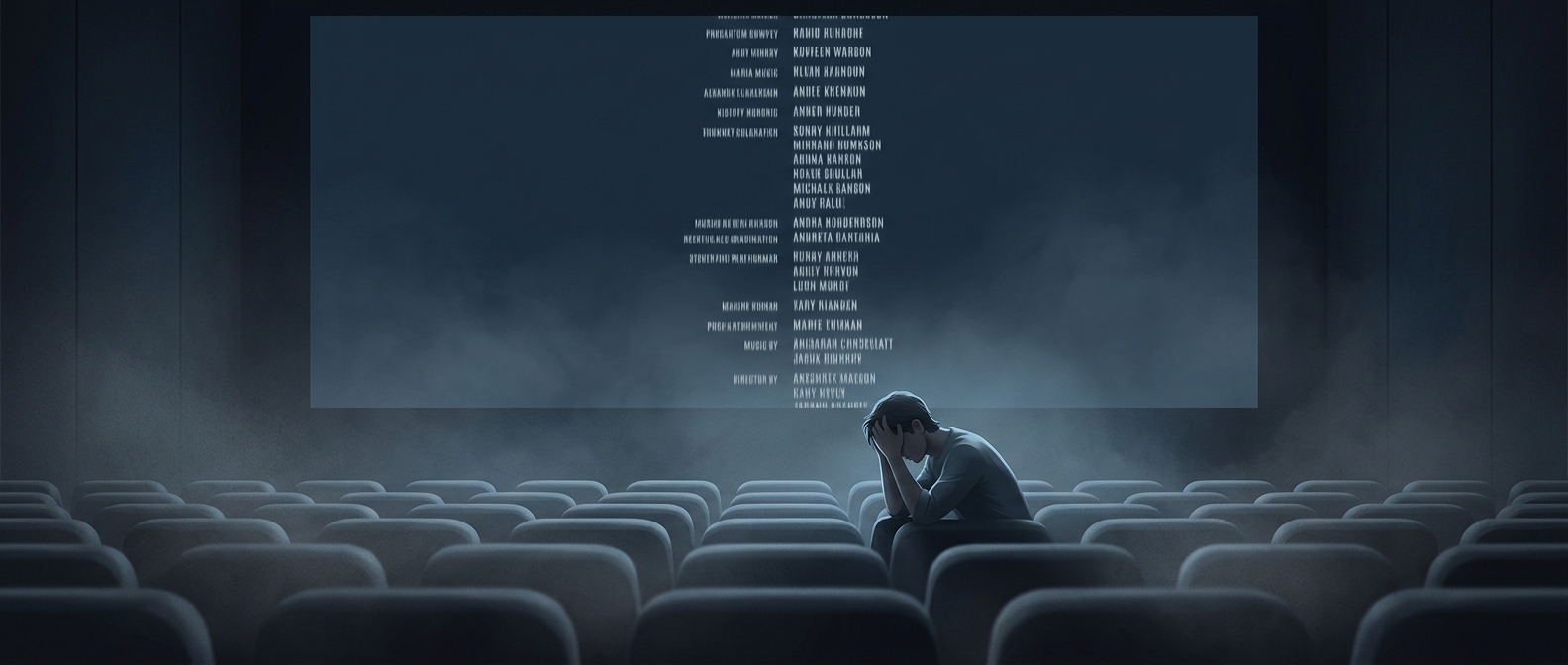
A long credit roll serves two purposes that can pull in opposite directions. It recognizes the many people and companies involved in making a game, while also signaling that play is over. When the credits cannot be skipped, the player has to accept the game’s timing rather than move straight to the next activity.
That wait can become a small gamble. Games sometimes place an extra scene after the credits—a brief continuation or joke that rewards players who stay—so the roll itself offers no certainty about whether anything remains. A player who leaves early might miss a coda; one who stays may see nothing beyond the names.
The Menu Is the Actual Ending
A post-credits scene works because players have learned to treat the end of the credits as a possible second ending. But the game can instead use the credits as a firm boundary: once the scroll finishes, control returns to the main menu. The menu is a clear signal that the story has concluded, even if the player spent half an hour waiting for one more reveal.
That uncertainty changes the credits from background text into a final piece of game design. The player is no longer deciding what to do in the story, but whether the possibility of an extra moment is worth the time. When the screen finally returns to the menu, the wait has supplied its own answer: there was no hidden scene to find.