When Metal Gear Solid 4 hands the controls to the movie
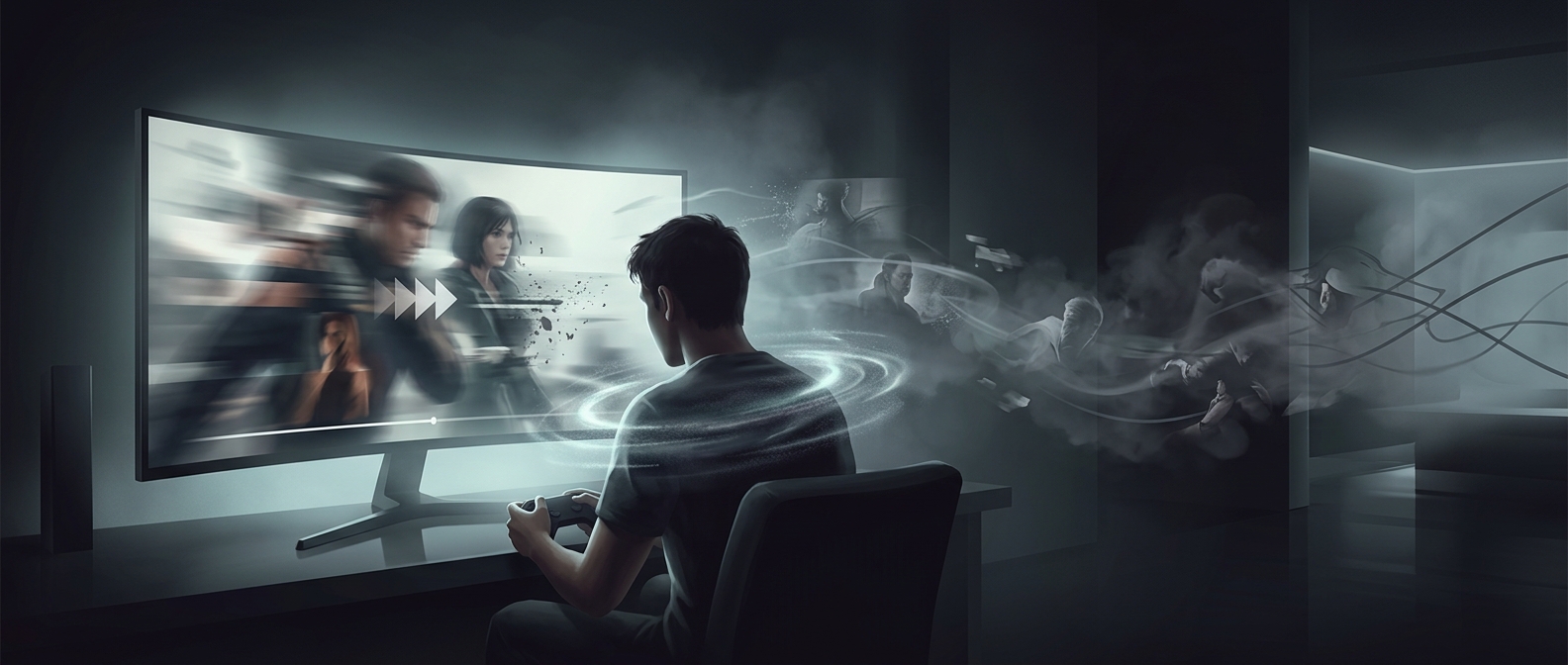
The long finale is a deliberate change in the game’s usual bargain with the player. For most of Metal Gear Solid 4, the story is delivered in pieces between stretches of stealth action: players move Snake through a situation, then watch the consequences unfold. The closing cinematic reverses that pattern. The player’s role becomes watching while the game ties off its many conflicts and character arcs.
That choice reflects the series’ unusually film-like storytelling. Its plot spans wars, rivalries, and the personal cost of Snake’s mission, so the ending has to resolve more than the immediate action. A conventional final level could keep the player busy, but it would also interrupt those resolutions with another sequence of objectives. A sustained cinematic lets the story hold the stage without asking the player to divide attention between watching and operating the character.
The cost of a cinematic payoff
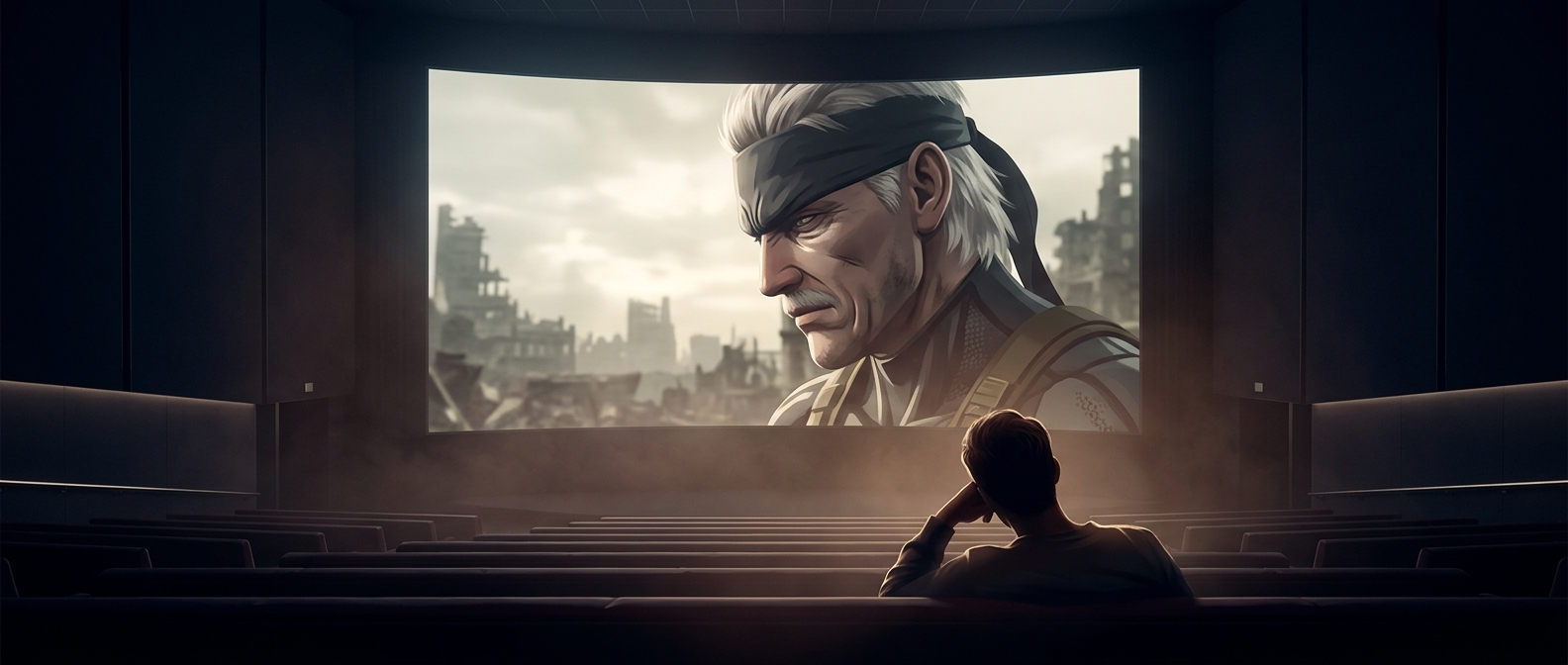
The tradeoff is control. In an interactive game, a long stretch without input can feel less like participation and more like being seated in a theater. That may be jarring after hours of directing Snake yourself. But it also makes the handoff unmistakable: the climax is no longer about what the player can do next. It is about seeing what the story’s events have led to.
The result is a finale that tests the boundary between game and film. Its length is not just a matter of unusually extended storytelling; it makes the player experience that boundary firsthand, by asking them to stop playing and stay with the ending.