Why the Cutscene Can Override the Fight
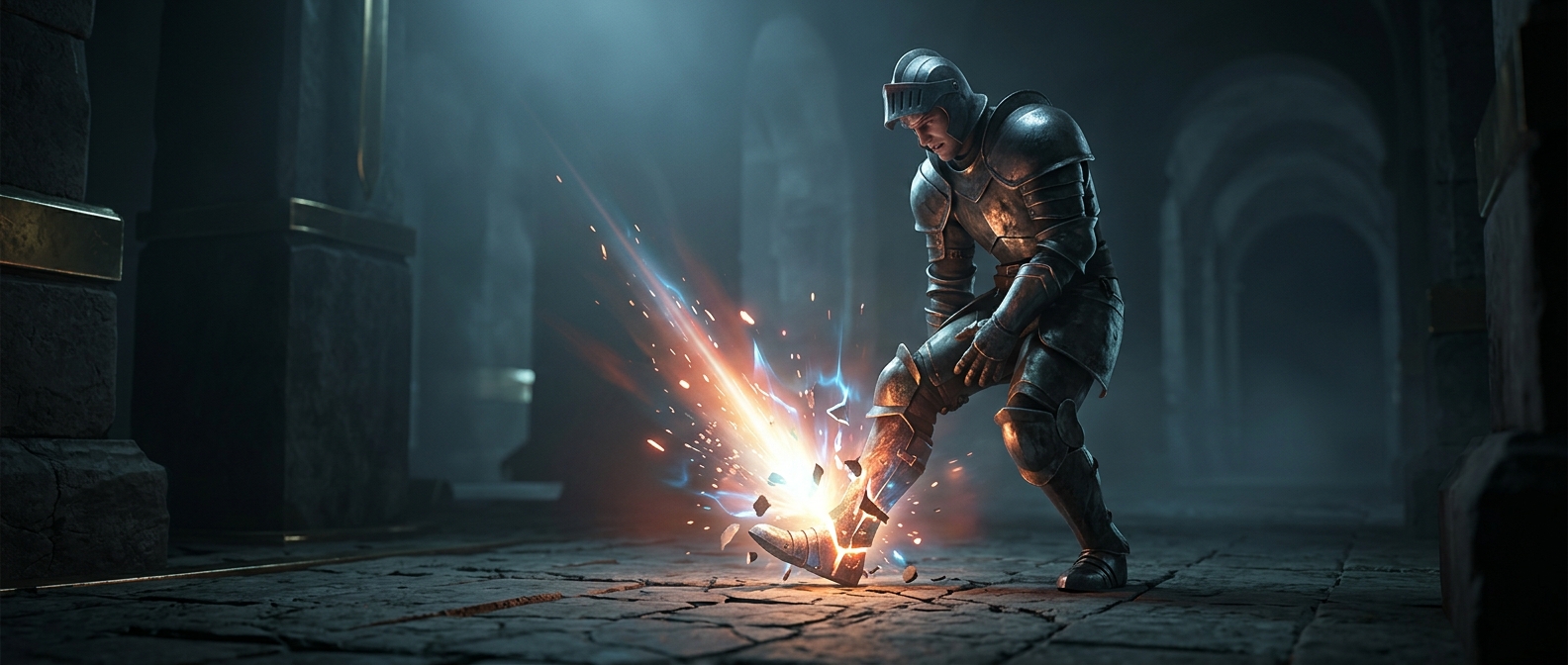
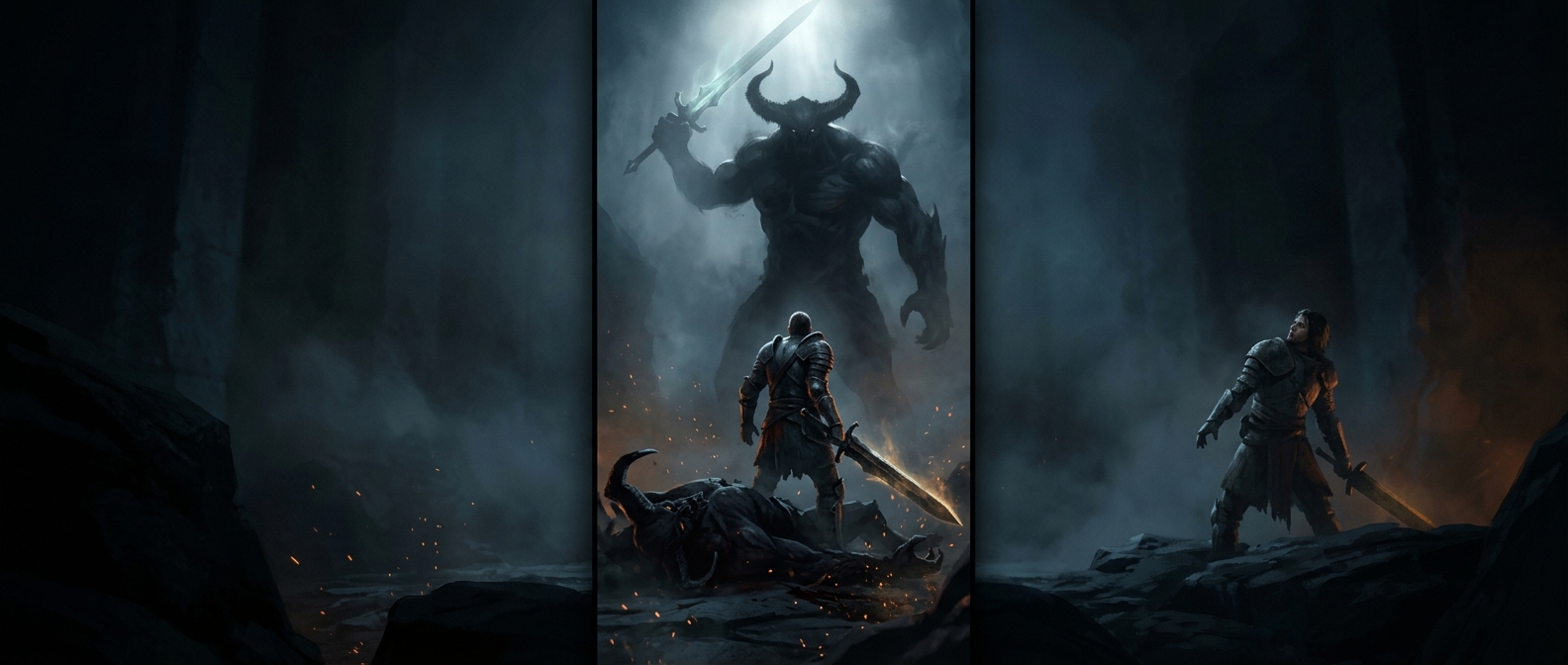
A battle lets the player make local decisions: dodge, attack, and use the tools the game provides. A cutscene, by contrast, is a fixed sequence written and animated to deliver a particular story beat. When the fight ends in victory but the scene shows the hero collapsing or being overpowered, those two systems disagree about what just happened.
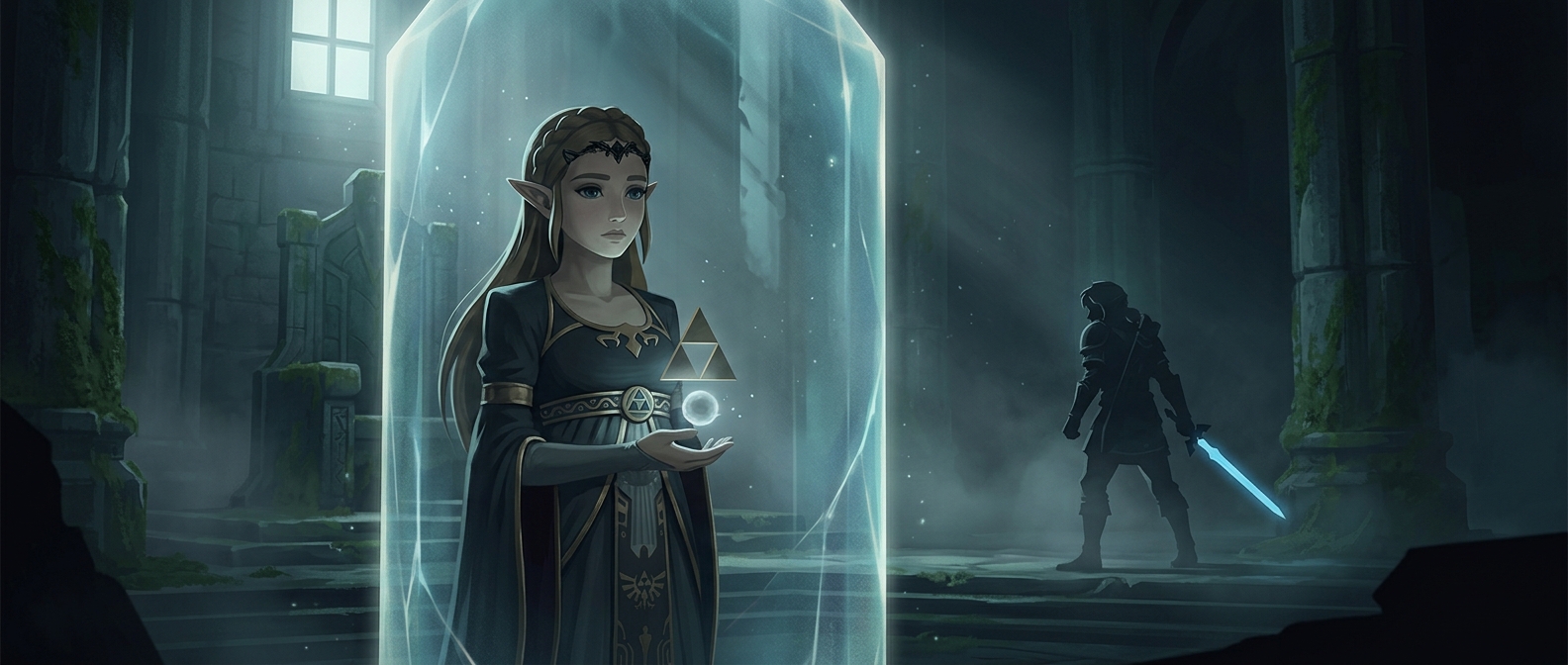
The mismatch often reflects a design constraint. The plot may need a villain to escape, a threat to remain unresolved, or the hero to be captured so the next chapter can begin. If the game let the player’s victory change that outcome, the writers and designers would have to account for multiple possible stories. A forced defeat keeps the narrative on one track, but it can make the player’s successful performance seem meaningless.
Keeping the Win Meaningful
A scripted loss does not have to erase everything the player accomplished. The scene can acknowledge the battle—perhaps the enemy is injured, delayed, or forced to retreat—while still establishing why the larger danger remains. Another option is to make the fight’s goal clear from the start: hold out, protect someone, or escape, rather than defeat an opponent the story intends to preserve.
That distinction matters because players judge a challenge partly by whether its rules remain consistent. If the game rewards skill with victory, the story should give that victory some visible consequence, even when it cannot change the plot’s destination.