The soap-opera look begins with the schedule
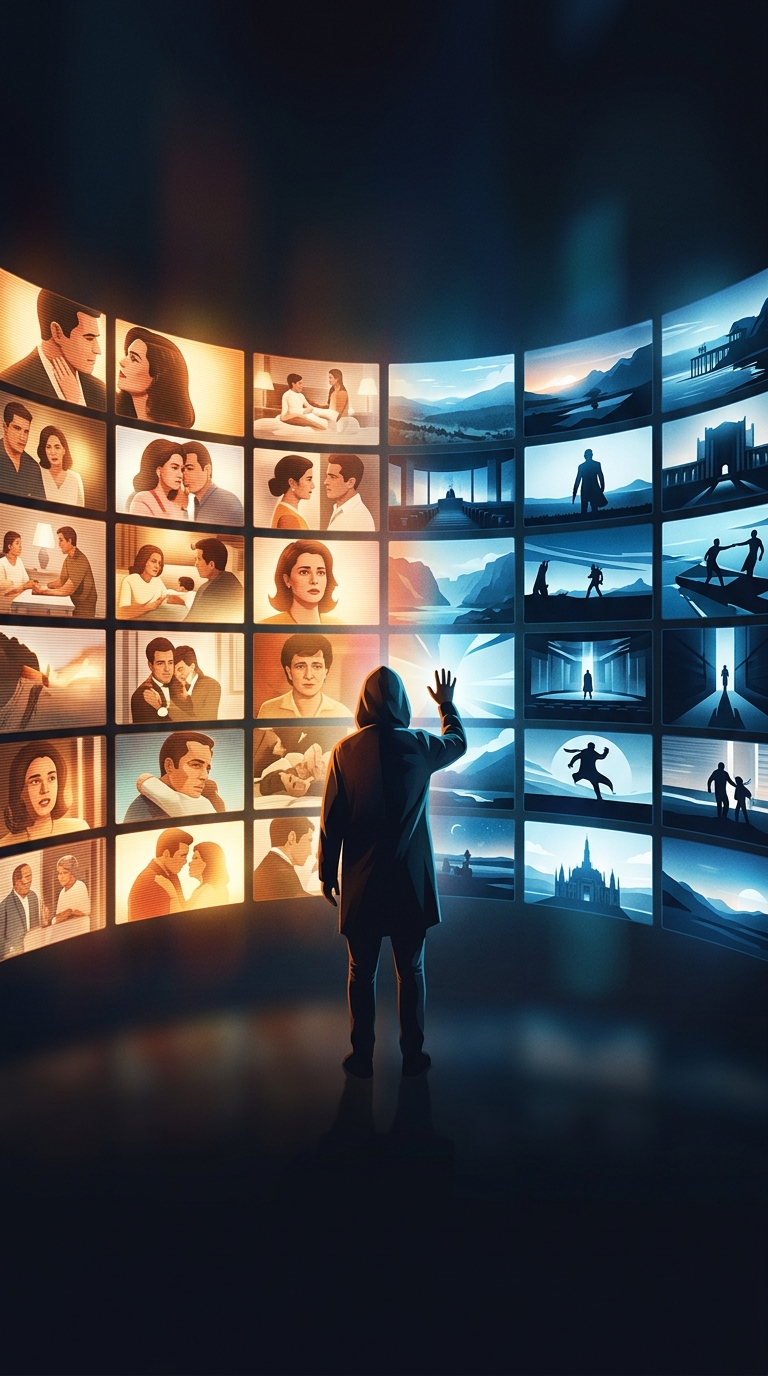
A daytime soap has to produce a great deal of story on a tight television schedule. That pressure shapes what the camera can do. Episodes are often filmed on standing sets, with scenes blocked so actors can perform smoothly and crews can move quickly from one setup to the next. Broad, even studio lighting makes faces and action easy to see across the set—and is faster to maintain than rebuilding a carefully sculpted lighting design for every shot.
The result can feel bright and uniformly lit, with fewer shadows and less visual depth than a movie. That is not simply a matter of taste: elaborate setups take time, and a daily serial needs to keep moving.
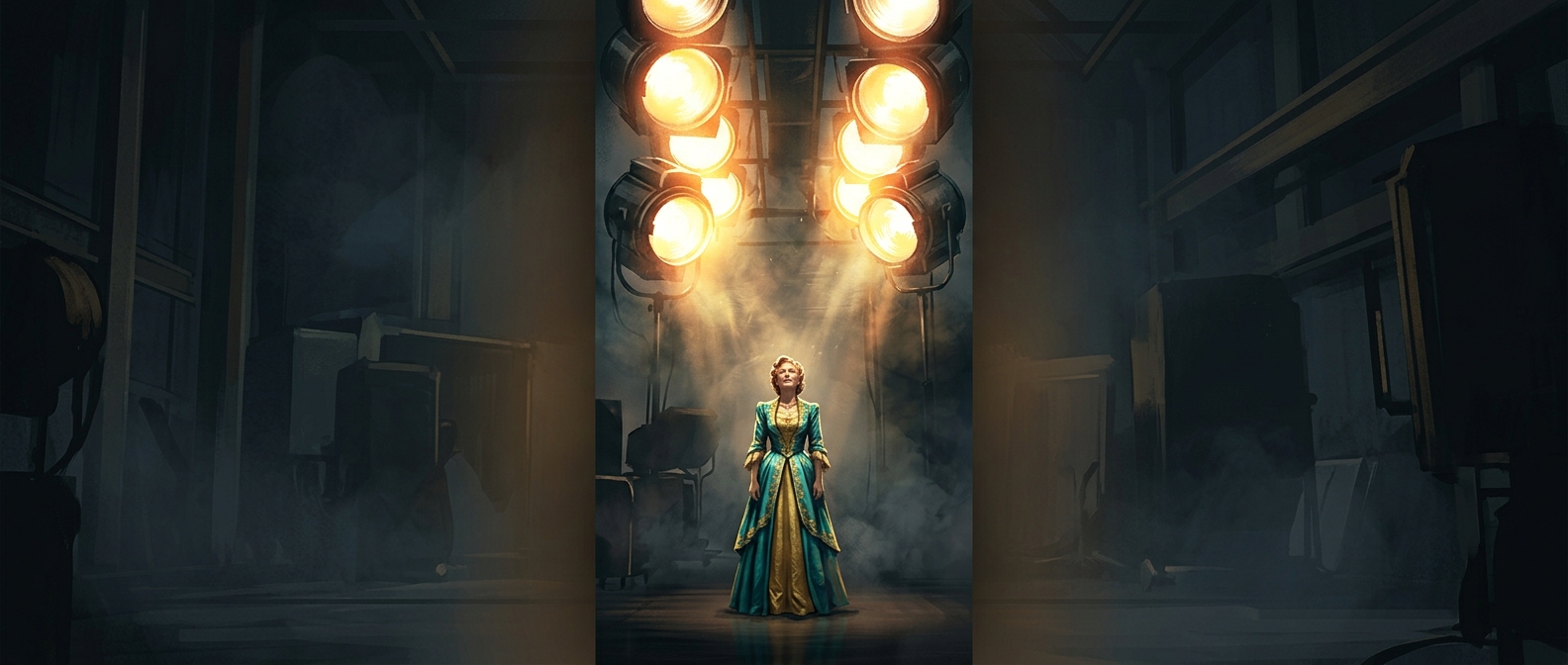
Movies spend time shaping each image
A big-budget film usually has more room to plan shots individually. The crew can adjust the light to suggest a time of day, isolate a face against a darker background, or make a large location feel imposing. Camera position, lens choice, movement, and color grading—the post-production process of adjusting an image’s color and contrast—can all be tailored to the scene.
That control helps create the polished, dramatic look associated with blockbusters. It also supports spectacle: a carefully composed frame can guide the eye toward an effect or make a setting feel larger than life.
The difference is a production tradeoff
Soap operas prioritize speed, continuity, and clear performances across many scenes; blockbusters can devote more labor to visual variation and refinement. Those are tendencies, not rules: television styles have changed, and films do not all look alike. But the contrast is easy to recognize because each format’s image reflects the way it is made. The soap’s even brightness is often the visible trace of a production built to keep the story—and the daily filming schedule—moving.