How an ancient immune advantage can come with a cost
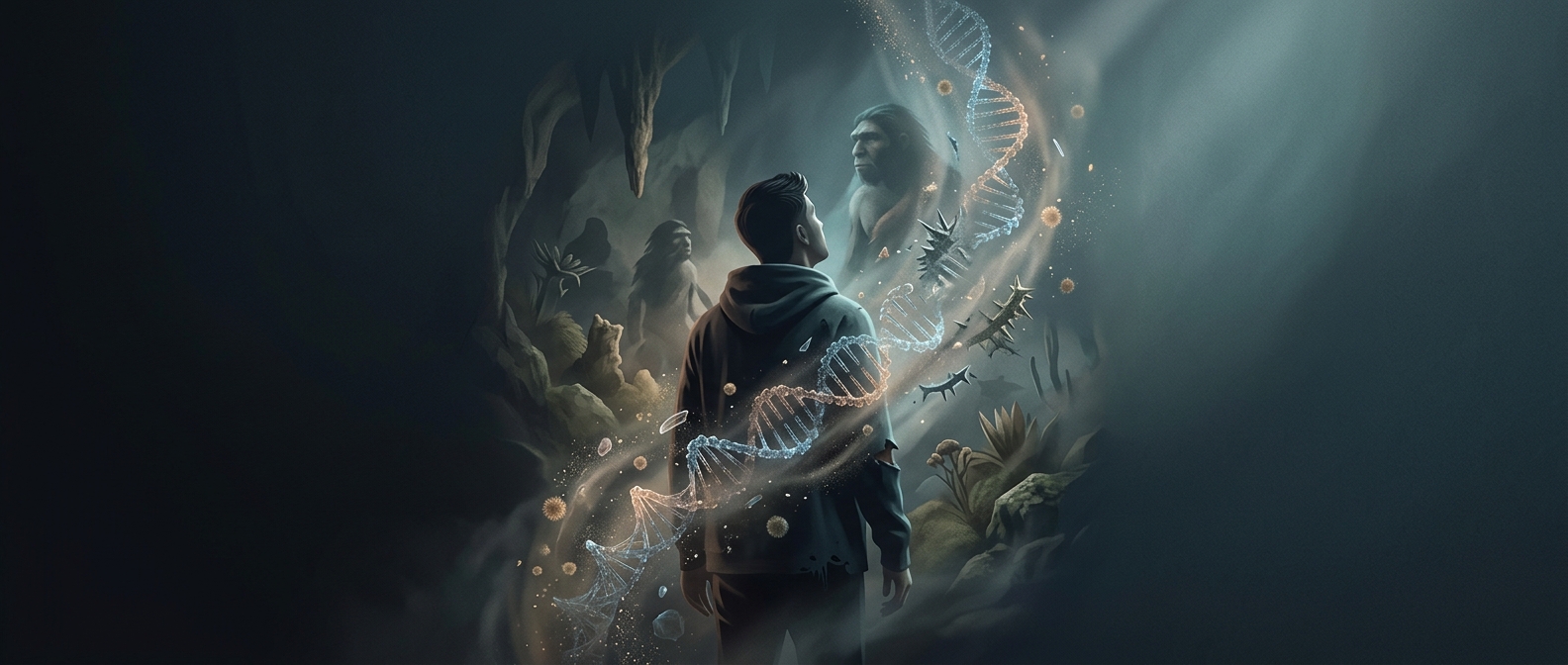
Some people carry Neanderthal-inherited variants in genes for immune receptors—proteins that help cells detect signs of infection. These variants are associated with a higher likelihood of allergies, but they do not guarantee that someone will develop one.
The tradeoff may reflect a useful sensitivity in a different setting. When modern humans encountered new environments and microbes, immune systems that reacted quickly to threats could offer protection. A receptor variant that strengthened or altered early immune signaling might therefore have been advantageous against infection, even if it also made some people more prone to excessive reactions.
From threat detection to allergy
A pollen grain is not a pathogen, and these receptors do not simply identify pollen as an enemy. Instead, they help set off the immune system’s early warning signals. Those signals can influence how later immune responses develop. In an allergic person, the response to a normally harmless substance can become misdirected, leading to inflammation and symptoms such as sneezing or itchy eyes.
That distinction matters: the inherited variant is one influence on immune behavior, not a standalone allergy switch. A person’s environment and other biological factors also shape whether an allergy develops. The same heightened readiness that may help against infection can, in some circumstances, make an unnecessary response more likely.