When a Horoscope App Becomes a Diary
An astrology app may begin with details that seem relevant to a chart: a birth date, birth time, or birthplace. But some also invite users to record moods, describe relationship problems, or answer questions about fears and hopes. Those entries can turn a playful daily check-in into a record of private life.
The distinction matters because information typed into an app is not the only data it can collect. Depending on its permissions and design, an app may also receive device or location information. Precise location can reveal where someone spends time; repeated mood logs can show when they feel lonely, anxious, or optimistic. Together, these details can sketch a more revealing profile than any single horoscope reading.
How Intimate Details Can Reach Advertisers
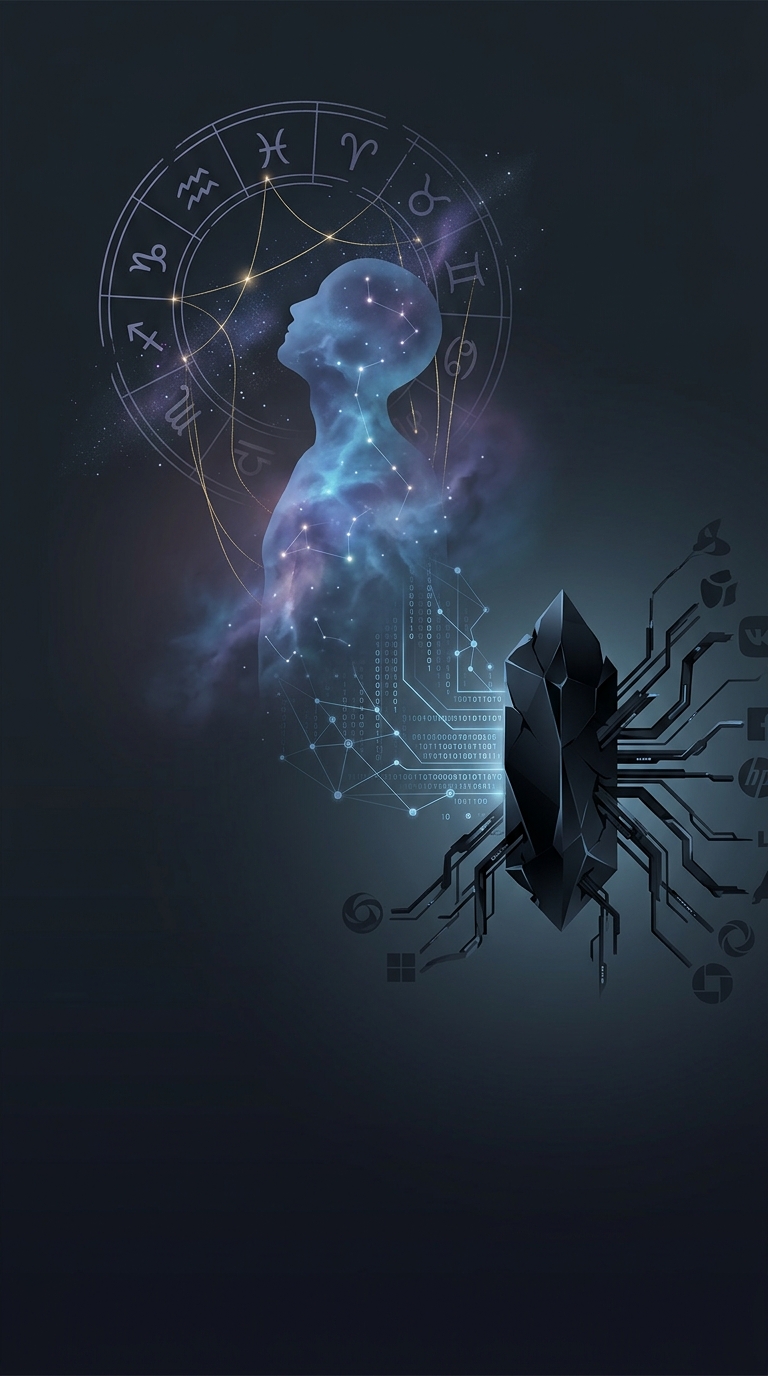
Apps can earn money through subscriptions, advertising, or partnerships. When an app shares data with advertising or analytics companies, those companies may use it to sort people into audiences for marketing. A user who repeatedly records relationship distress, for example, could be placed in a category that advertisers consider relevant to dating or wellness products.
That does not mean every app sells every entry, or that an advertiser necessarily sees a person’s raw diary. The route depends on the app’s policies and the data-sharing arrangements behind it. But information can still shape targeting when it is shared in a form linked to a device or account, or used to infer interests.
The Cosmic Framing Can Lower Guard
Astrology gives personal questions a gentle, familiar frame: a prompt about “today’s energy” may feel less like filling out a psychological profile than answering a survey. The same openness that makes an app feel engaging can encourage users to disclose details they would hesitate to provide in an ordinary ad form.
The practical consequence is that a daily ritual can become a stream of commercially useful signals. Before logging sensitive feelings or enabling location access, it is worth checking what an app collects and whether it shares information for advertising—because the most revealing part of a horoscope app may be what the user tells it between readings.