A movie turned a reef fish into a household wish
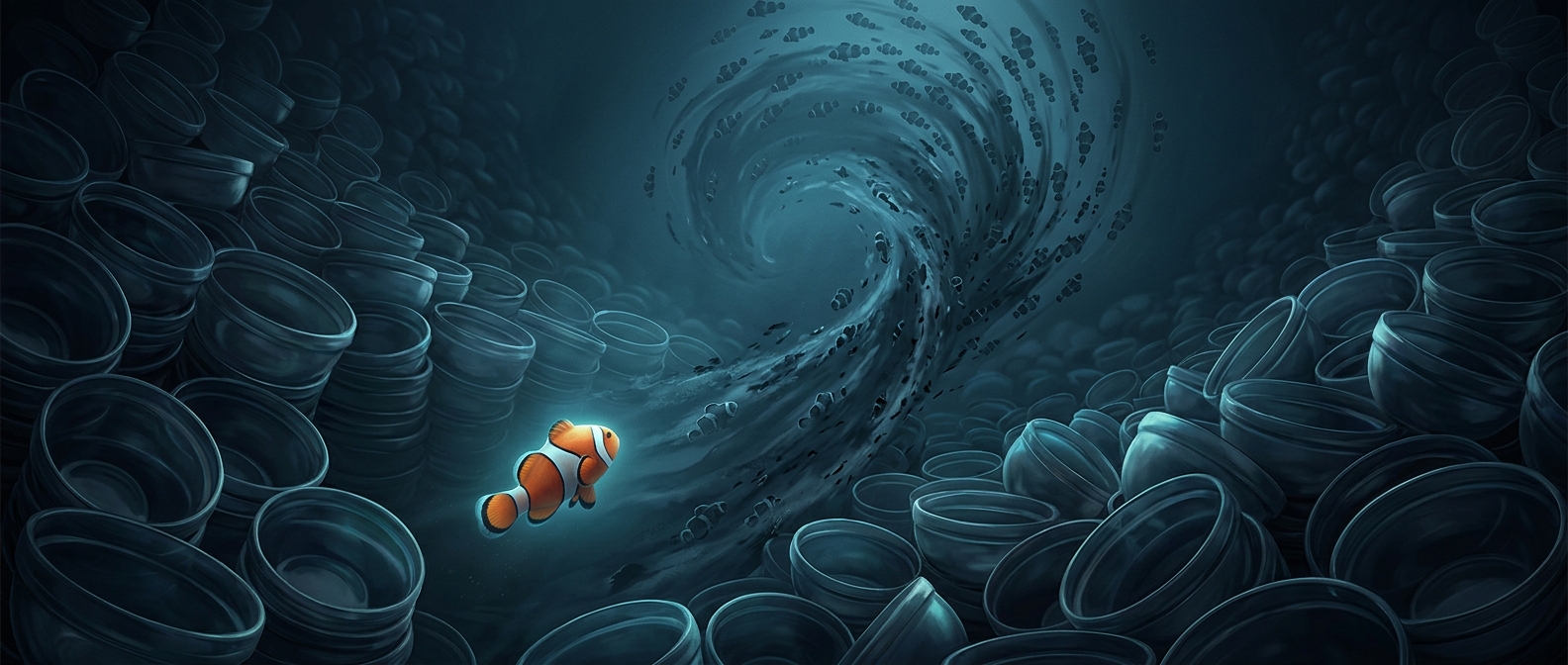
Finding Nemo made the orange-and-white clownfish instantly recognizable—and gave many viewers a new idea of what to keep in an aquarium. When interest in pet clownfish surged, the aquarium trade faced a practical question: where would all those fish come from? Wild clownfish could be collected from reefs and sold to pet owners, so greater demand created pressure to catch more.
From reef to aquarium
A wild-caught fish is not simply replaced when it is removed. Clownfish live among reef anemones, using the anemone’s stinging tentacles as shelter. Collecting fish can therefore disturb a small, connected habitat, while repeated harvesting can reduce the number of fish available in a local area. The impact depends on where and how collection occurs; a rise in demand does not mean every reef was affected equally.
The journey also involves handling and transport, which can be stressful for fish. That means the cost of a popular pet can begin well before it reaches an aquarium—at the reef where it was collected and along the route into the trade.
Captive breeding changes the equation
Clownfish can also be bred in captivity, allowing aquarium suppliers to offer fish that were raised rather than taken from reefs. As that supply grows, it can give buyers an alternative to wild-caught animals and reduce pressure on natural populations. But the film’s effect illustrates how a cultural hit can influence wildlife: millions of viewers may see a character, while the resulting demand is met through real animals moving through a commercial supply chain.
The lasting lesson is that the origin of a pet matters. A clownfish in an aquarium may look like Nemo, but whether it came from a reef or a breeder can make a difference to the reef it left behind.