Why Clerks’ dialogue drew an NC-17
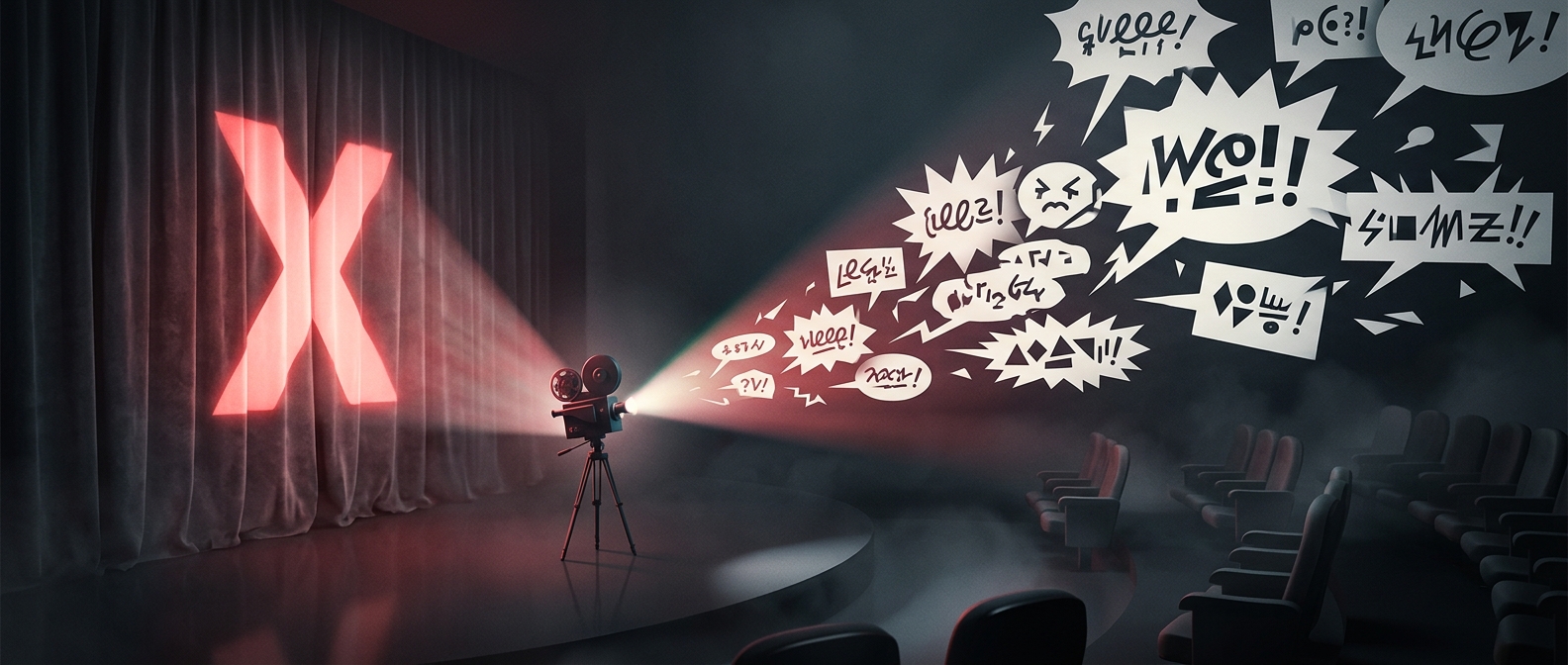
The 1990s black-and-white indie comedy Clerks was initially given an NC-17 rating because of its dialogue, not its images. The rating signaled that the film was considered unsuitable for viewers under 17; it did not mean the movie had been banned. For an independent comedy built around ordinary conversations in a convenience store, the decision put an unusual amount of weight on what the characters said.
The rating was a judgment about language in context
A rating board evaluates a film as a whole, but strong language can still determine its classification. Repeated profanity may push a film into a more restrictive category even when it contains no graphic violence or sexual imagery. In Clerks, the talk was part of the comic texture: characters bicker, complain, and fill mundane moments with blunt, abrasive speech. The same dialogue that helped establish the film’s voice also became the reason for its initial rating.
Why the filmmakers challenged it
The makers appealed the decision, asking the ratings board to reconsider how the dialogue should be classified. An appeal is not the same as taking the case to court: it is a formal review within the film-rating system. The challenge put a practical question to the board—whether the profanity, considered in the film’s comic setting, warranted keeping the strictest adult-only label.
That distinction matters for independent films. A restrictive rating can make it harder to reach younger audiences and can affect where a movie is shown, even when the material driving the rating is speech rather than disturbing images. Clerks’ appeal made its everyday, low-budget comedy a test of how much a film’s language alone can shape its access to viewers.