Why Fresh-Looking Blood Can Raise a Film’s Rating
A splash of vivid red does more than signal that someone is hurt: it can make the injury feel immediate and graphic. In rating systems that consider the intensity of violence, that visual impact may contribute to a stricter age rating—especially when blood appears alongside detailed wounds or prolonged violence. The color is only one part of the scene, not an automatic rating trigger.
How a Darker Shade Changes the Read
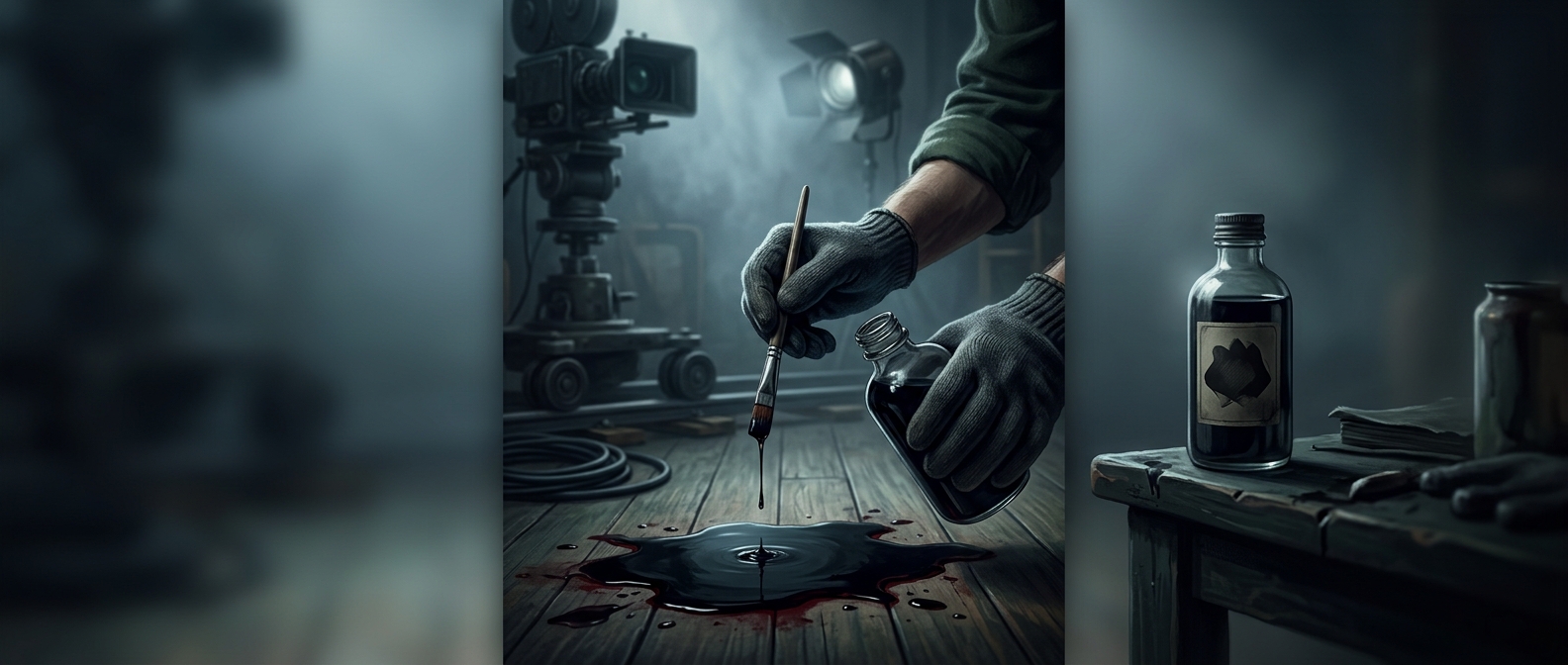
Prop makers can mix stage blood to look less bright, using deeper reds and brownish tones. That can make it resemble blood that has dried or darkened, rather than a fresh, sharply visible splash. The scene may still communicate danger, but its imagery can feel less vivid to viewers and rating reviewers.
The choice is also practical. Fake blood has to show up under a particular set’s lighting and on camera; a shade that looks convincing in person may appear too bright under strong lights or after color grading, the process used to adjust a film’s colors in post-production. Makeup and effects teams test the mixture on set and on camera, then adjust it to fit both the shot and the intended level of intensity.
A Small Color Choice, Not a Guarantee
A darker mixture cannot by itself ensure a lower rating. Reviewers assess the whole sequence: how severe the injury looks, how long it is shown, and how the violence is presented. But when a production wants an image to read as blood without making it look maximally fresh and graphic, muddy red can be a useful middle ground. The audience still sees the harm; the camera simply makes it less visually emphatic.