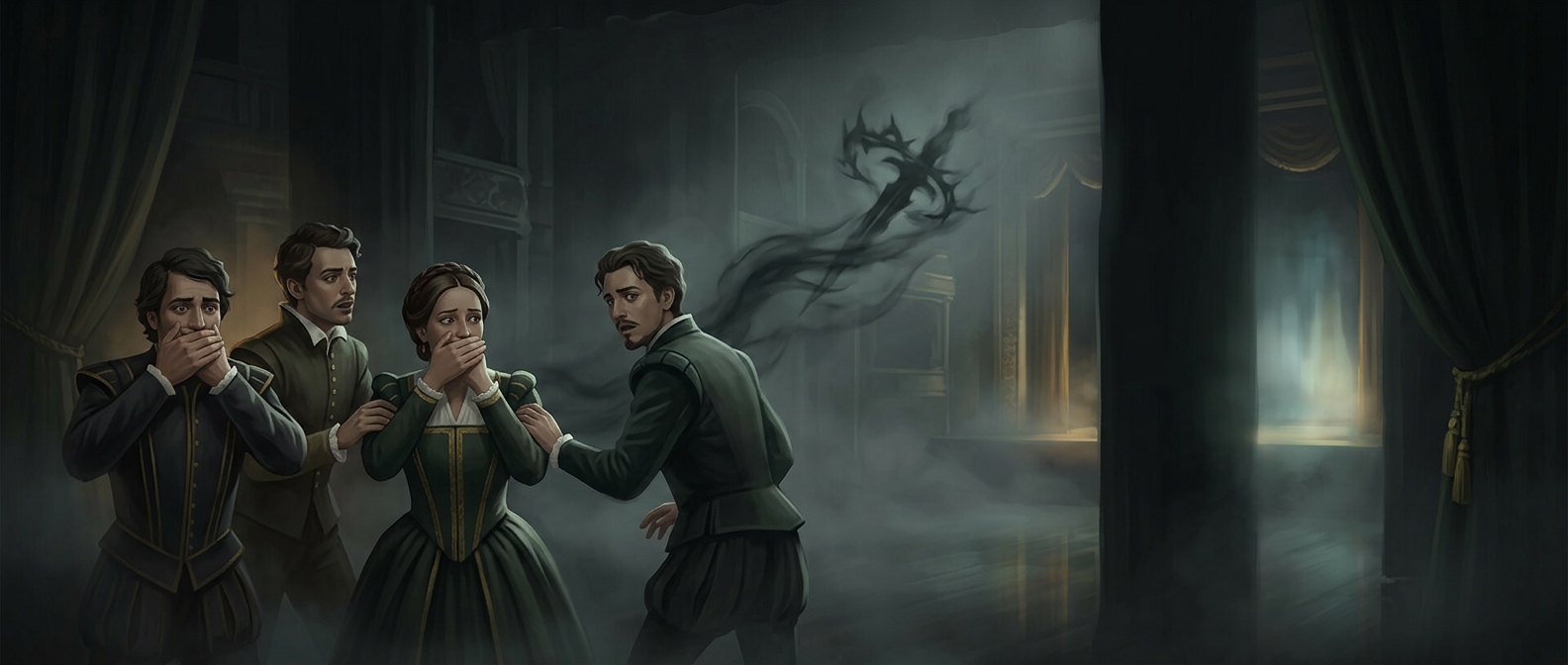
Why “Macbeth” Became a Stage-Wide Taboo
In many theater traditions, actors avoid saying Macbeth inside a theater unless they are performing or discussing the play. They may call it “the Scottish play” instead. The belief is that speaking the title can invite trouble, from a missed cue to an accident backstage.
The custom is tied to the play’s association with witches and disaster. Shakespeare’s tragedy includes scenes of witchcraft, and theater lore has long linked the production with mishaps. Stories about troubled performances circulate in different versions, but there is no single, reliably established origin for the taboo. The uncertainty is part of how such customs endure: each new retelling adds to the play’s ominous reputation.
A Ritual for Managing Nerves—and Risk
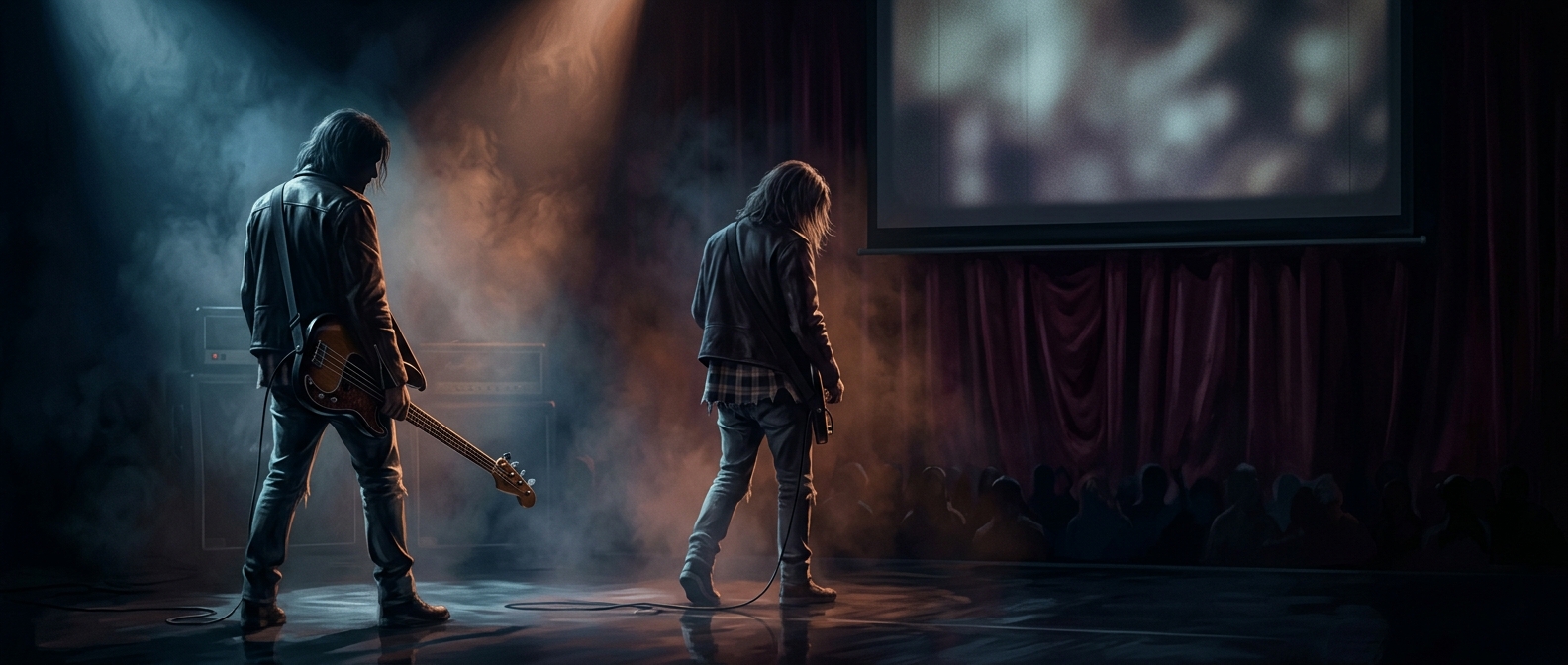
A theater is a place where people work around scenery, lights, ropes, moving equipment, and tightly timed entrances. Those hazards have ordinary causes, but a superstition gives performers a memorable way to talk about the vulnerability of a live show: one small disruption can ripple through the performance. Avoiding the title does not prevent accidents; it marks respect for a shared tradition and gives the cast a familiar ritual before the curtain rises.
If someone does say the name, customs for undoing the supposed bad luck vary. A commonly repeated version has the speaker leave the theater, turn around, and ask to be let back in. The details matter less than the ritual’s role: it turns a moment of unease into an action everyone recognizes.
The Joke Is Part of the Tradition
The taboo is usually treated with a mix of seriousness and humor. Performers may roll their eyes at it and still use “the Scottish play,” because theater customs are carried by groups, not by proof. The result is a rare bit of backstage language that can make the title itself feel like a cue—and saying it, even casually, can prompt an immediate correction.