The Luxor Beam Turns a Landmark Into a Nighttime Feeding Ground
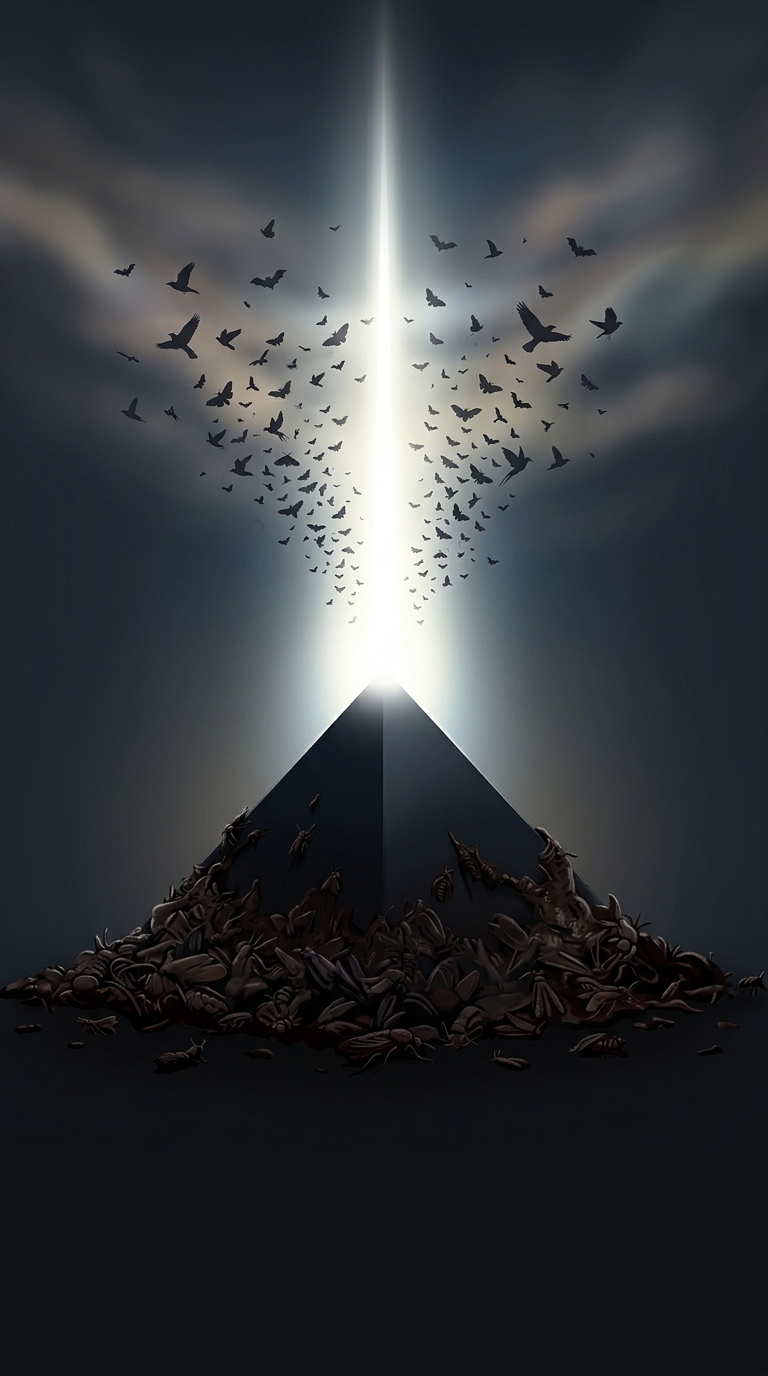
The Luxor’s beam is made by 39 xenon lamps aimed upward from inside the pyramid-shaped hotel. Xenon lamps produce an intense, concentrated light, making the beam a conspicuous part of the Las Vegas skyline. But the light also changes what happens around the building after dark: insects gather near its illuminated surfaces, where bats and birds may find an easy source of food.
Why Insects Gather Around the Light
Many night-flying insects use natural light cues to orient themselves. A powerful artificial light can disrupt that navigation, drawing insects toward it or keeping them circling nearby. The Luxor’s beam does not electrocute them like a household bug zapper; the nickname describes the way the light concentrates insect activity in one place.
That concentration has a visible, practical consequence for the hotel. Insects accumulate on the building’s windows, and staff must clean away the remains. The glow that makes the pyramid stand out to visitors also creates extra maintenance just beyond the spectacle.
A Landmark With a Local Ecosystem
The beam can attract more than insects. Bats and migratory birds may be drawn to the resulting food supply, turning a designed feature of the Strip into a nighttime gathering point for wildlife. The striking tradeoff is that the Luxor’s signature light is not only something to look at: it helps organize the movement of living creatures around the hotel—and leaves staff with the cleanup.