Costa Rica’s landscape does the work of a power plant
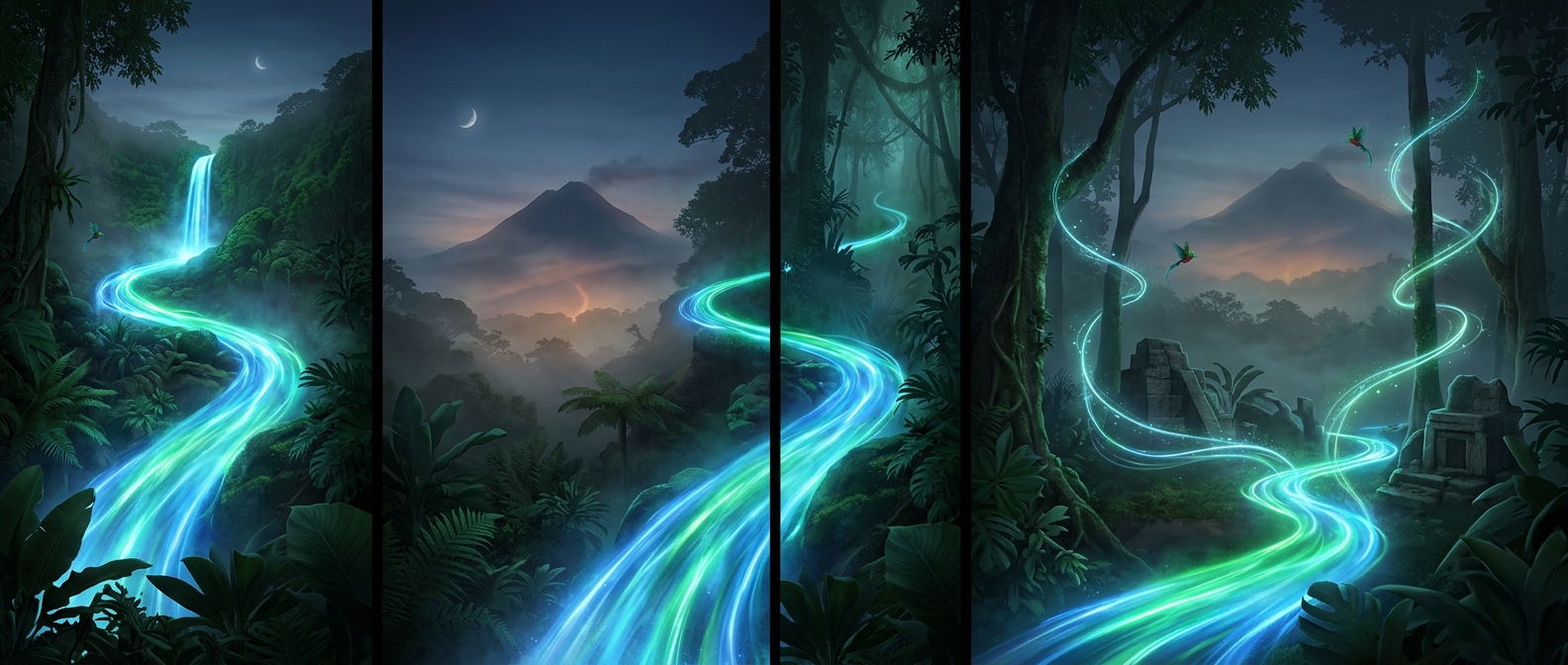
Costa Rica’s renewable electricity comes from several features packed into a small, mountainous country. Rain-fed rivers descend from the interior toward the coasts, creating sites for hydroelectric dams. Volcanic activity supplies heat below ground, which geothermal plants can use to make steam and turn turbines. Wind farms add another source, especially when breezes are strong.
The mix matters because each source behaves differently. Rivers provide large amounts of power, but rainfall changes with the seasons. Geothermal plants can deliver steadier output, while wind rises and falls with weather. Using several sources makes the grid less dependent on any one condition.
Water can help balance the grid
A reservoir is more than a place to store water: it is a way to save potential electricity for later. Operators can release water through turbines when demand rises or when wind generation dips, then conserve it when other sources are producing enough. That flexibility helps connect variable sources to a grid where supply must keep pace with electricity use.
It also makes rainfall a practical constraint. In dry periods, less water may be available for generation, so the value of geothermal power, wind, and other sources becomes especially clear. The system’s success depends not simply on having renewable resources, but on coordinating them across changing conditions.
A striking milestone—and its boundary
A run of electricity supplied entirely by clean sources is possible because Costa Rica can draw on this varied domestic mix. It does not mean every activity in the country runs on renewable power: cars, planes, and other uses of fuel are separate from the electricity grid. The memorable achievement is narrower, but still concrete: rivers, underground heat, and moving air can together keep the lights on.