A forest canopy is a place to move through, not just look at
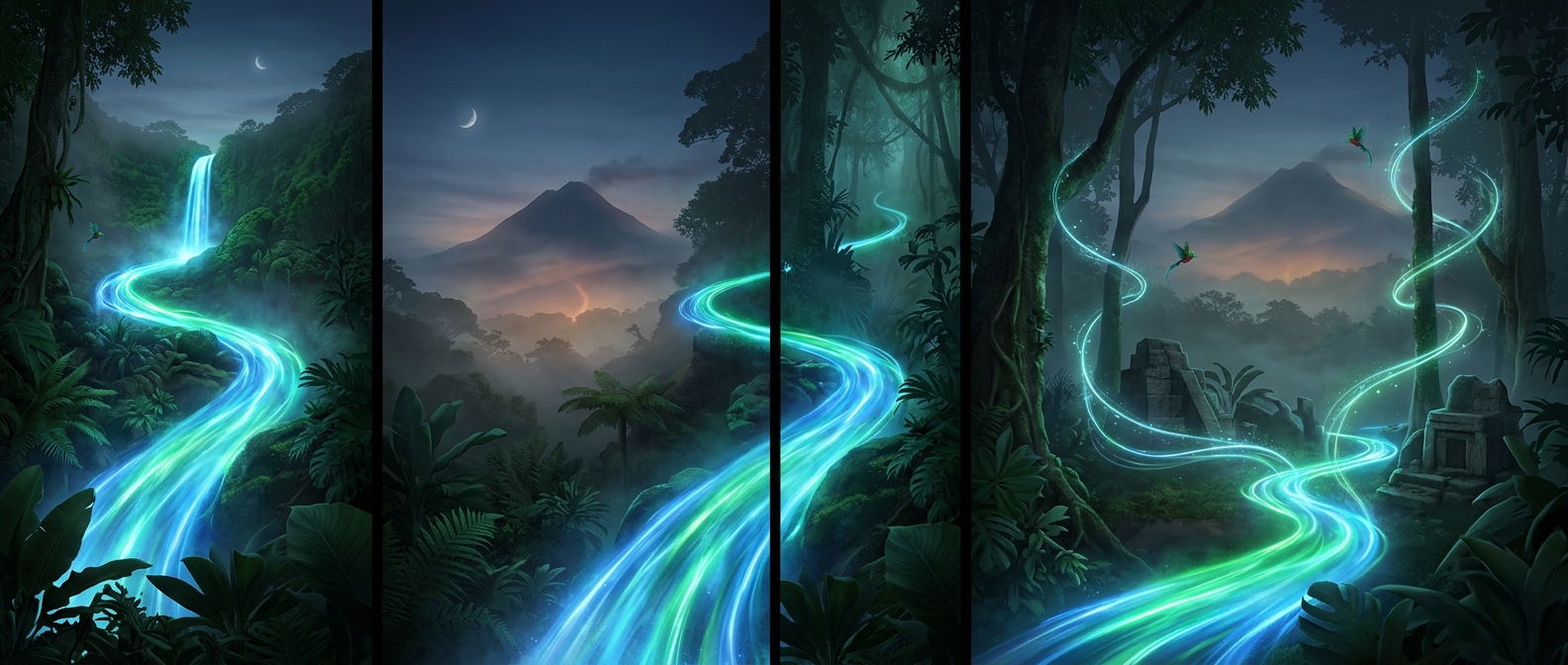
At Finca Bellavista, a cabin can sit high above the ground, but reaching it means crossing the spaces between trees. Suspended bridges and zipline routes turn ordinary errands—getting back to a room after dark, for example—into part of the experience. The bridges sway because they hang between living trees rather than resting on rigid supports; each crossing asks visitors to watch their footing and move deliberately.
That height also puts people among the animals that use branches as their own pathways. Eyelash vipers are arboreal pit vipers: they live and hunt in trees, where their coloring can make them difficult to spot against leaves and bark. A balcony or branch-level walkway is therefore not simply an outdoor extension of a room. It is part of an active habitat, and visitors should look carefully and give wildlife space rather than trying to approach or move it.
Living lightly still means adapting to the forest
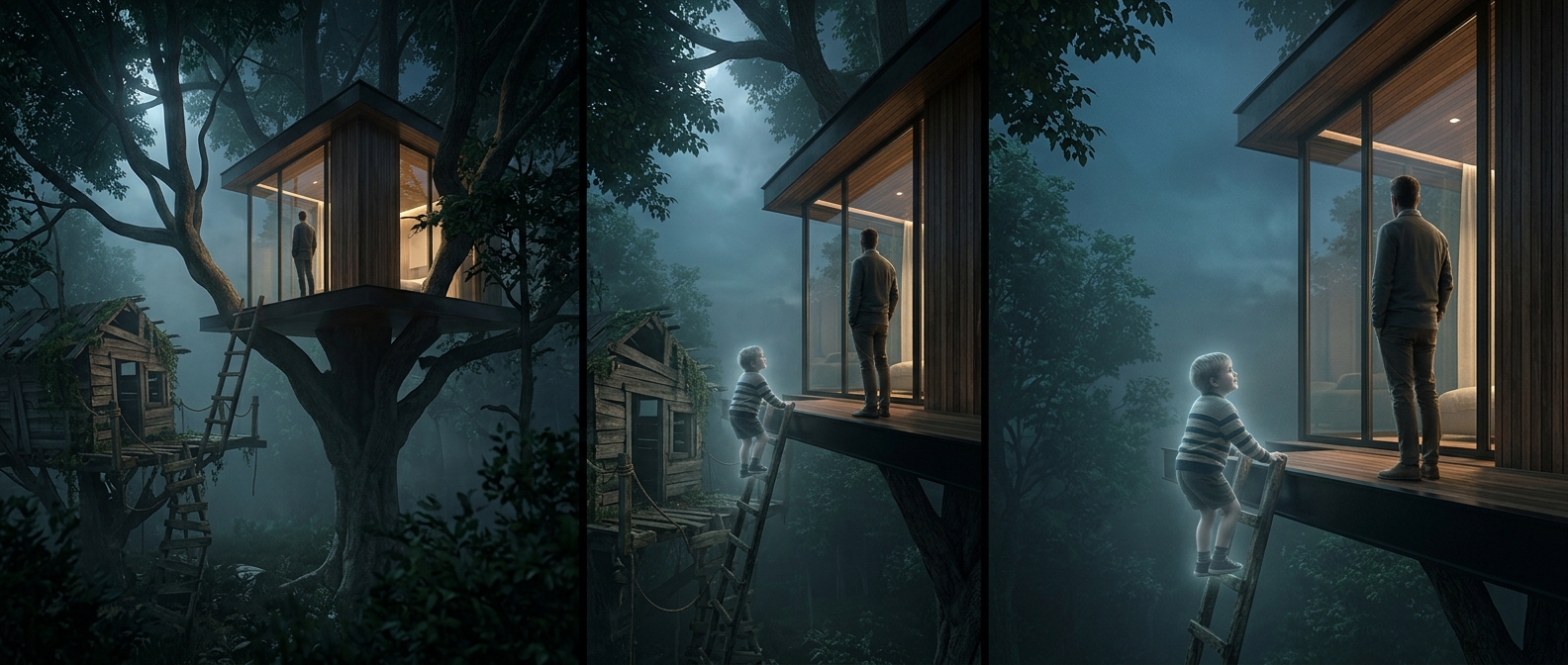
The community’s treehouses are attached to large living trees, making construction a different challenge from building on a cleared, level site. The structures have to connect people across uneven terrain while keeping the surrounding forest standing. That approach can limit the need to clear broad areas, but it does not make a forest dwelling effortless or risk-free: access remains exposed to weather, darkness, moving bridges, and wildlife.
The tradeoff is tangible. A visitor may trade a quick walk on a paved path for a careful crossing above the forest floor—and may find that the route home is shared with creatures that were there first. At canopy height, the rainforest is not scenery around the accommodation; it is the place the accommodation occupies.