Why a short spaceflight takes months to prepare for
A passenger’s time in orbit may be brief, but the trip concentrates several unfamiliar physical demands into a few intense phases. Training turns the capsule from a strange, cramped environment into a place where a passenger can respond without having to work out every movement from scratch.
Practice for the parts that cannot be paused
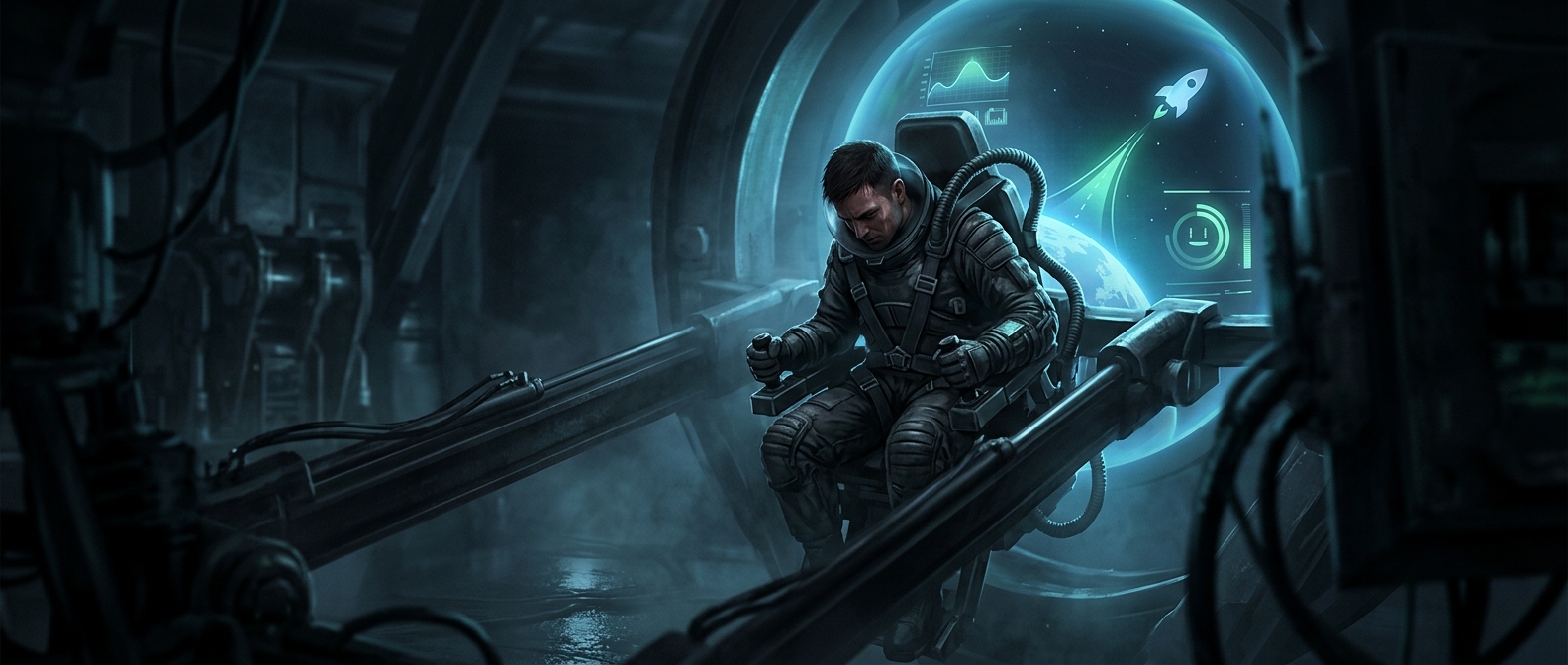
During launch and the return to Earth, acceleration presses the body into its seat. Centrifuge training recreates some of those forces, helping passengers experience the sensation and practice staying composed while their bodies feel unusually heavy. It is preparation for a specific interval, not a simulation of the entire flight.
Emergency practice addresses a different challenge: acting quickly in a confined vehicle surrounded by unfamiliar controls and equipment. Rehearsing how to leave the capsule gives passengers a procedure to follow if a landing or recovery situation requires it. In an emergency, hesitation can make a difficult situation harder to manage.
Learning to move without normal weight
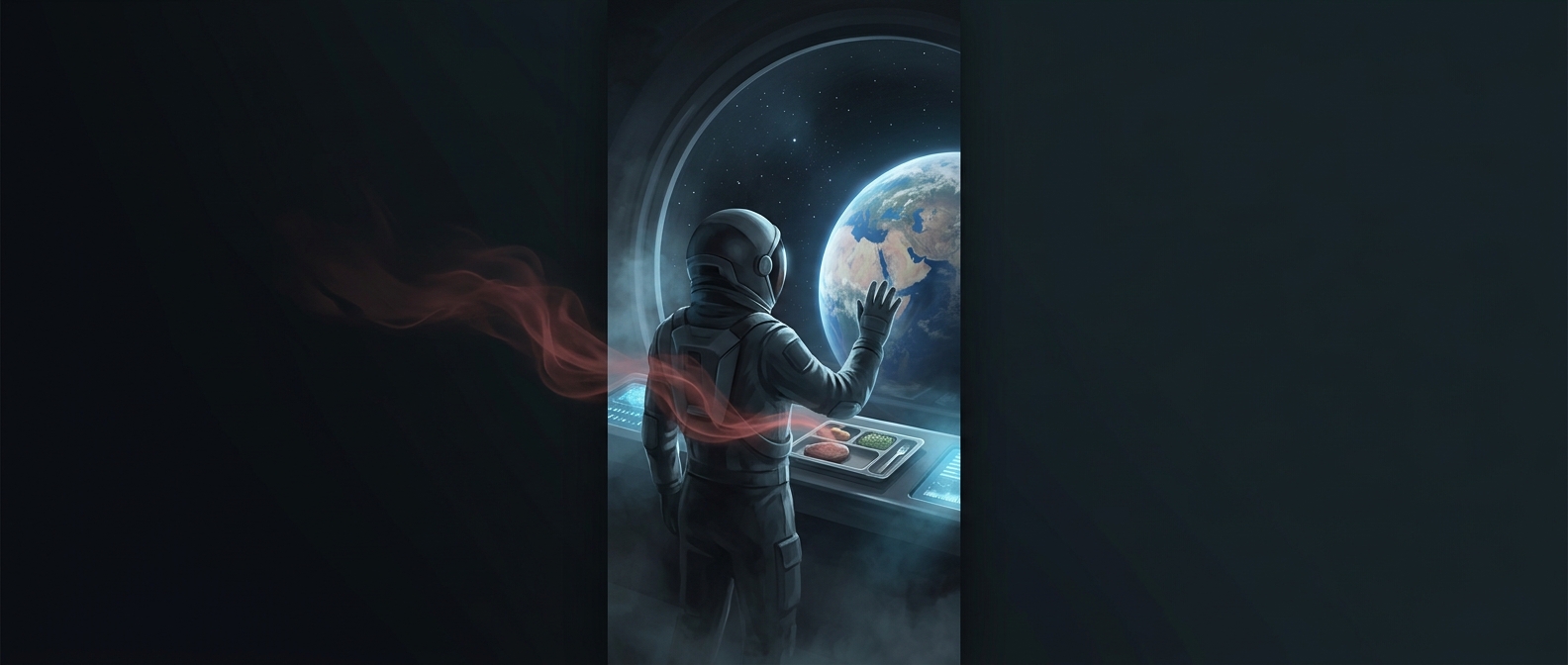
In orbit, objects and people float because they are in continuous free fall around Earth. Ordinary movements can have surprising results: a push against a wall can send a person drifting in the opposite direction. Practicing how to move and orient oneself helps passengers avoid turning simple tasks into awkward collisions with the cabin.
The training is not meant to make a civilian passenger into a professional astronaut. It is meant to make the most demanding moments less unfamiliar. Months of preparation give a brief journey something a launch countdown cannot provide: practiced reactions when the body, the cabin and the rules of movement all feel different at once.