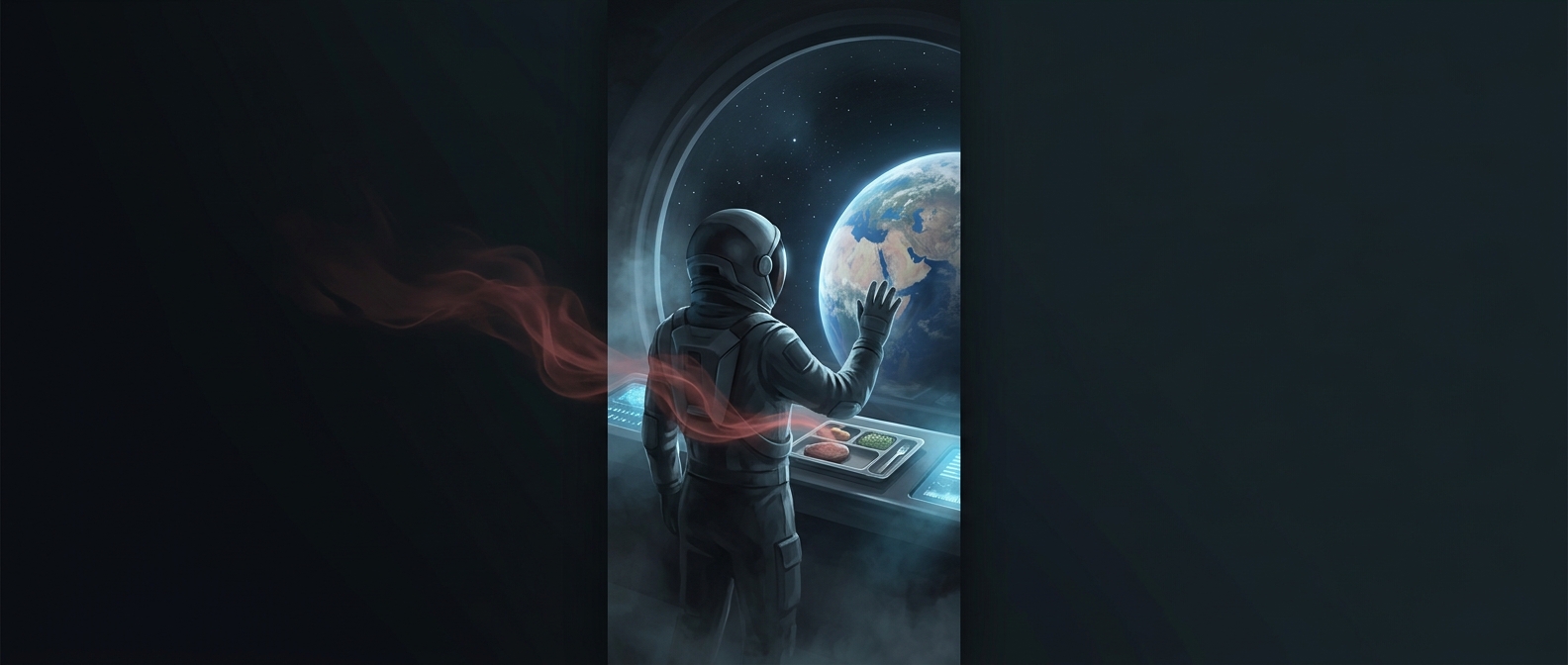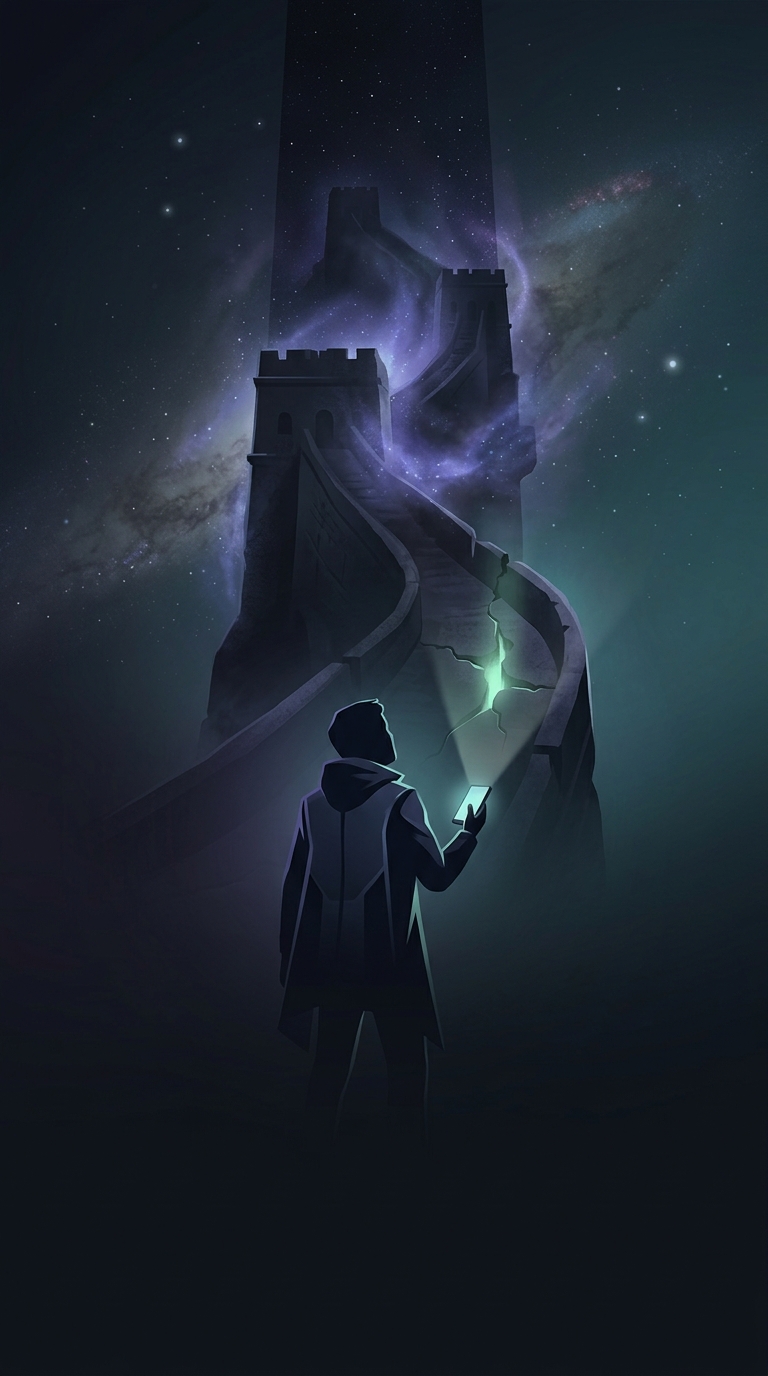
The Great Wall is hard to pick out from orbit
The landmark behind this familiar claim is the Great Wall of China. The problem is not that it is too short: it stretches across enormous distances. It is that most sections are narrow and blend into the surrounding terrain. From low Earth orbit, the wall is only a thin line against a landscape full of ridges, roads, and shadows.
“Visible from space” depends on what you mean
Space is not one fixed viewing distance. An astronaut looking down from the International Space Station is much closer to Earth than someone looking from the Moon, and visibility also depends on lighting, weather, the observer’s eyesight, and whether cameras or binoculars are used. Under favorable conditions, a person in orbit may be able to spot parts of the wall—but it is not an unmistakable feature that stands out to the unaided eye.
That distinction is why the claim became misleading. The wall’s great length sounds as though it should make it easy to see, but length does not make a narrow, low-contrast structure visually prominent. A broad city, airport, or bright desert feature can be easier to notice from orbit than a much longer wall.
The real lesson is about scale
The Great Wall is an extraordinary human construction, but “visible from space” is not a reliable measure of its size or importance. From orbit, even a landmark spanning a vast landscape can disappear into the details of the ground below.