Why a Spacecraft Needed a Wilderness Survival Weapon
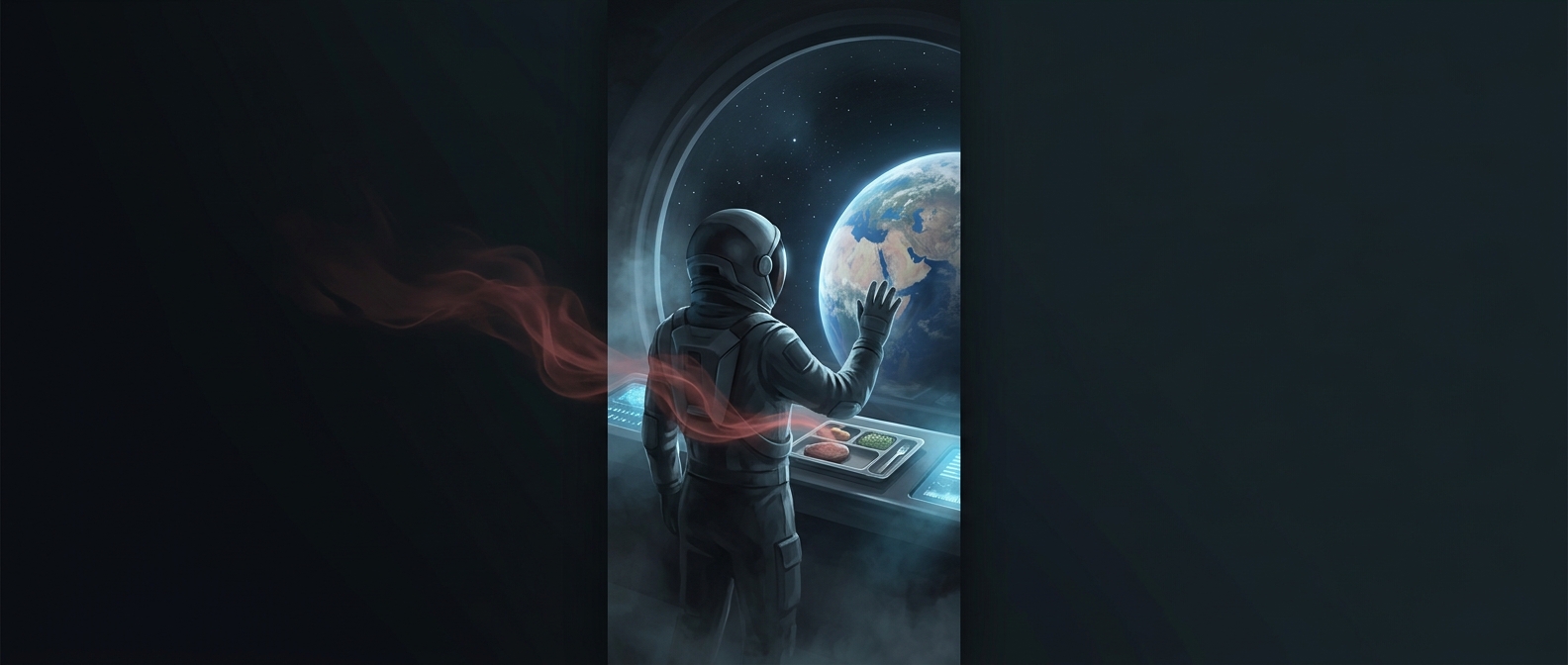
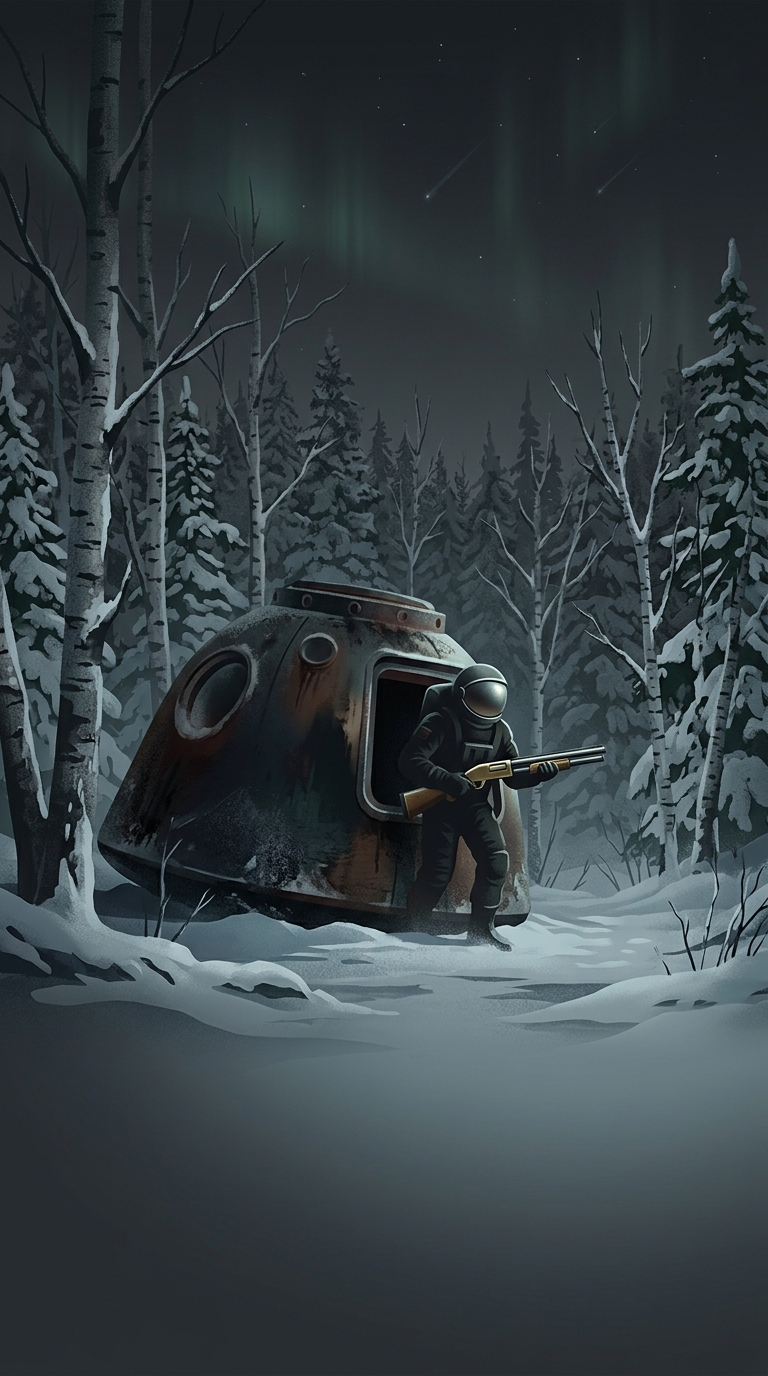
A Soyuz capsule does not steer itself to a runway. After reentry, it descends by parachute and lands on the ground, and its landing point can be far from the recovery teams waiting to reach the crew. In the remote terrain of the former Soviet Union and Russia, that could mean cold, rough ground and a delay before help arrived.
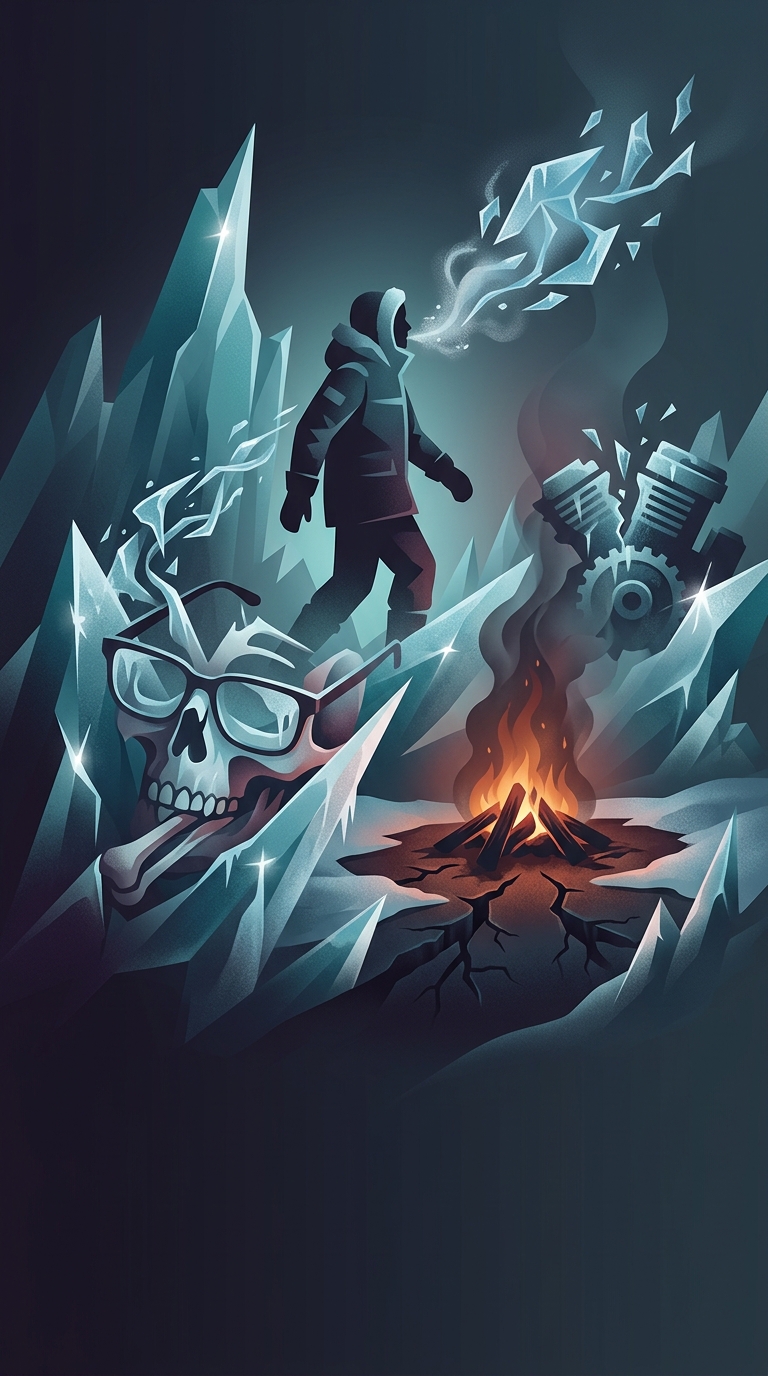
The crew’s survival kit therefore had to cover problems that began after the flight was over: staying warm, signaling rescuers and coping with dangerous wildlife. The specialized TP-82 weapon was one part of that kit—not a way to fight through the wilderness, but an emergency tool for the interval between landing and pickup.
Three Barrels, Several Kinds of Emergency
The TP-82 combined two smoothbore barrels, which could fire shotgun ammunition, with a third, rifled barrel for a more precise rifle-type cartridge. The kit also included signal flares. That mix mattered because the crew might need to address very different situations: deter an animal at close range, hunt for food if stranded, or make the landing site easier for rescuers to spot.
Its unusual design reflected a practical constraint: astronauts could not choose where the capsule came down, and the contents of a survival kit had to work across a range of possible emergencies. The weapon was also designed with a detachable stock that doubled as a machete, adding a cutting tool without requiring a separate full-size piece of equipment.
Bears Were One Risk, Not the Whole Story
Stories about the gun often focus on bears, a vivid possibility in remote landing regions. But the broader purpose was survival during an uncertain wait for recovery. A flare could help a search party find the crew; a cutting tool could help with shelter or brush; and the different ammunition types offered options if an animal or food shortage became a problem.
That is the revealing detail: the capsule’s journey did not end at touchdown. For cosmonauts landing far from roads or settlements, the final leg of the mission could be spent on the ground, waiting for the people who would bring them home.