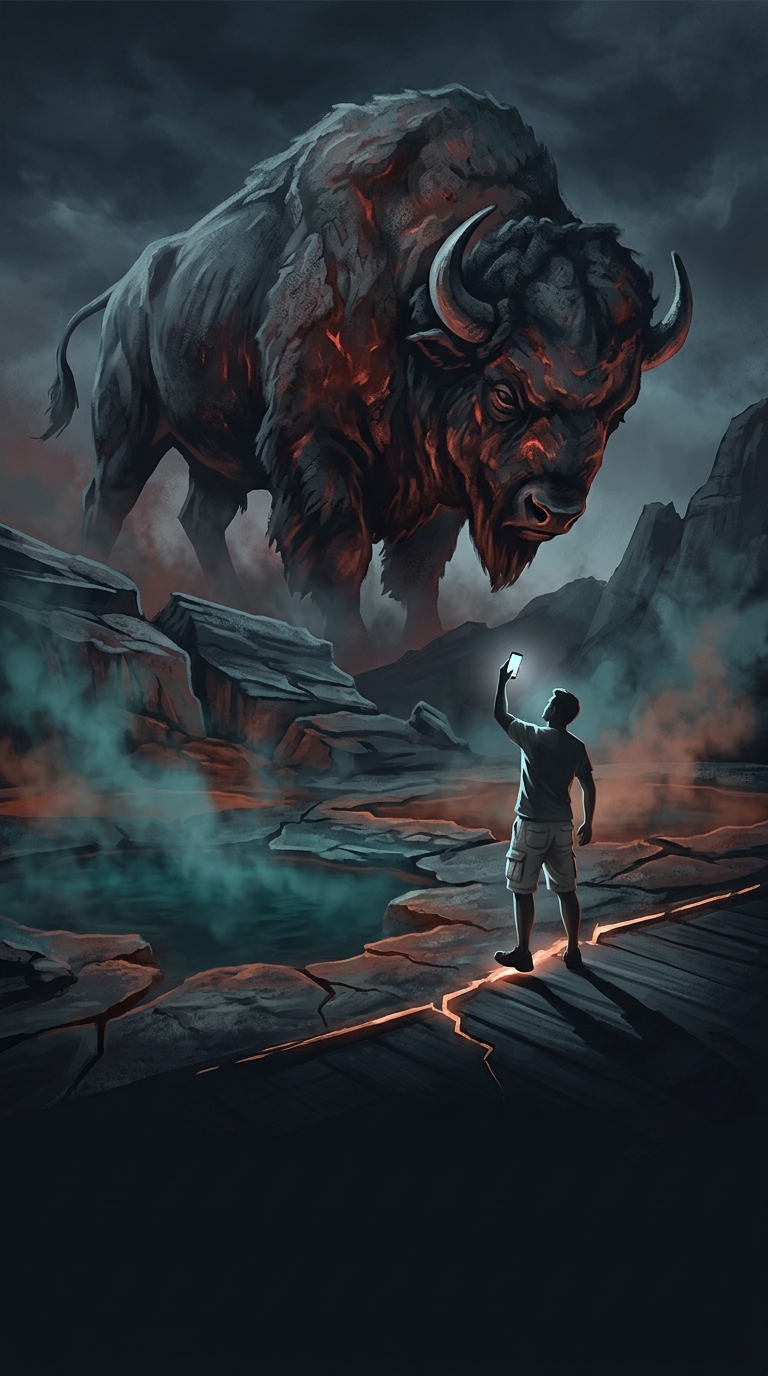
Why Yellowstone’s Boardwalks Are More Than Viewing Platforms
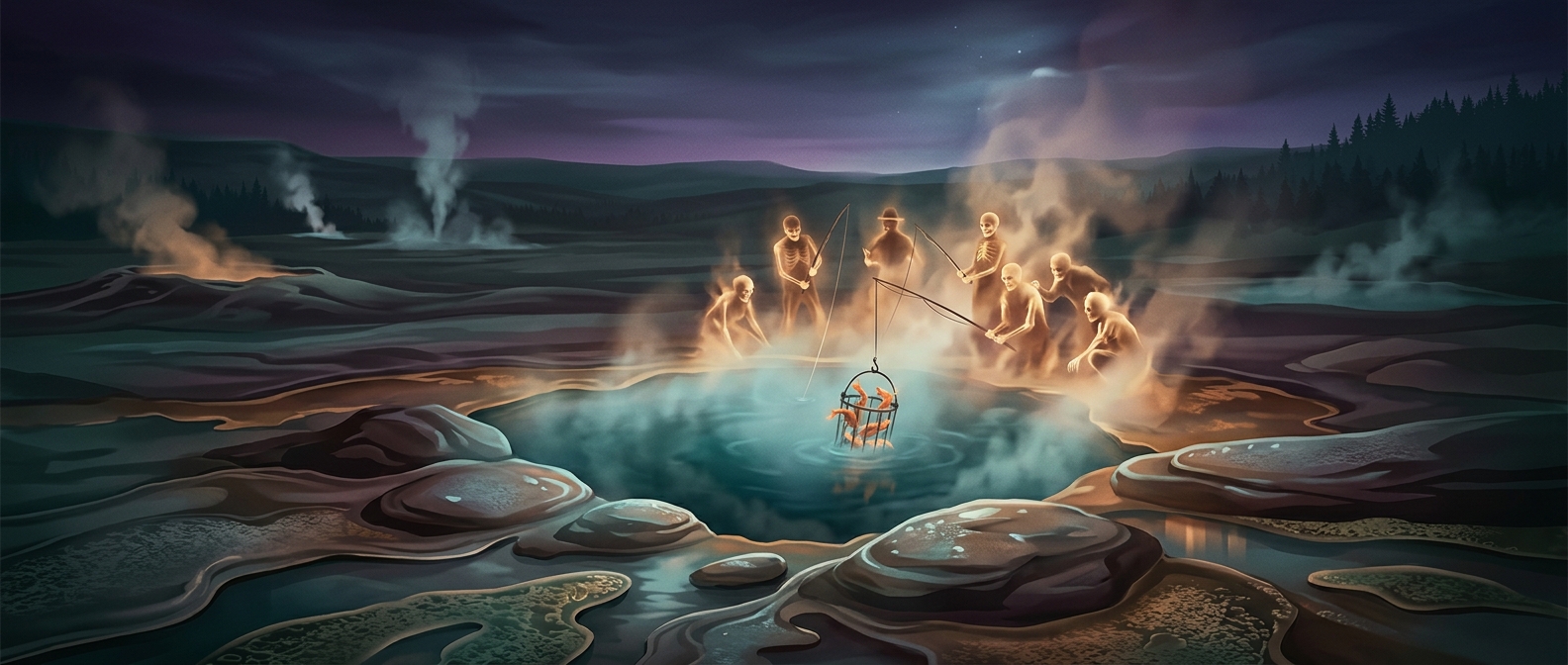
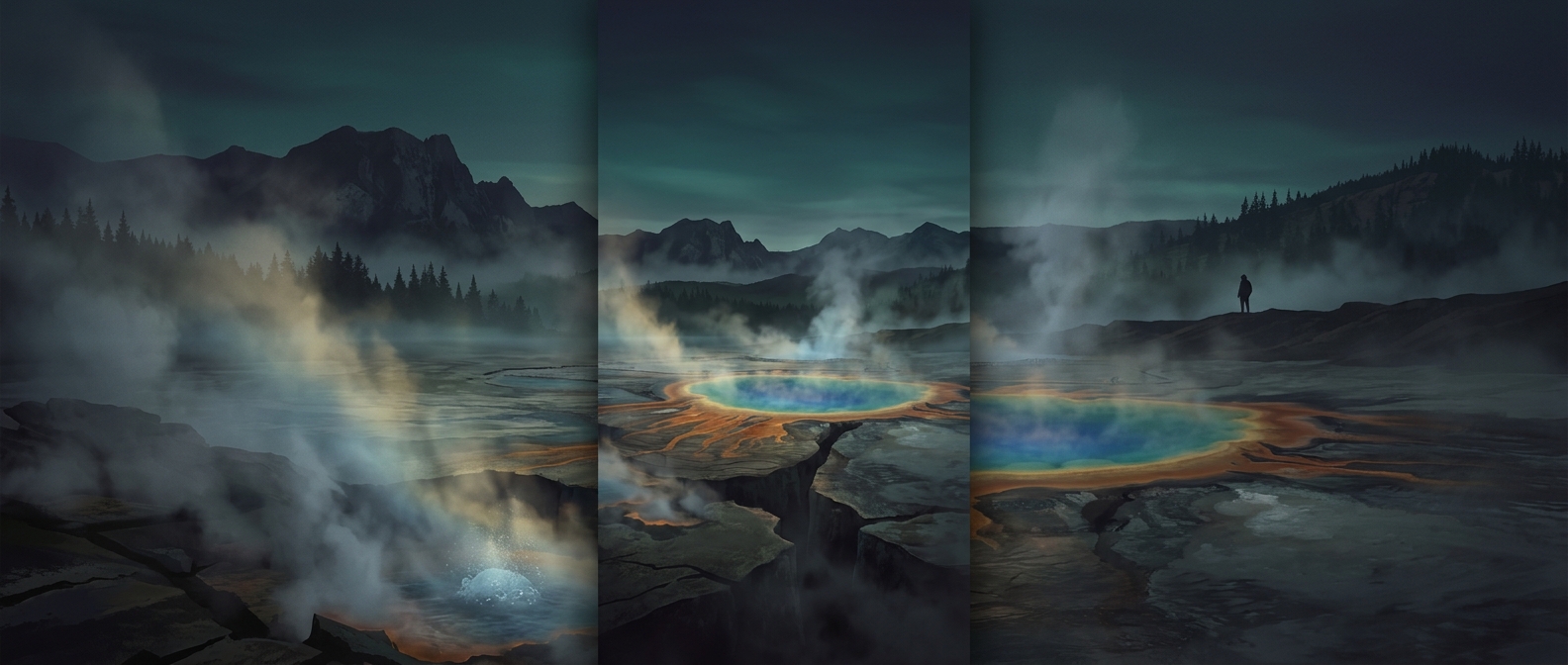
In Yellowstone’s thermal areas, the ground beside a trail can look solid while hiding a thin, unstable crust over scalding water. Stepping off a boardwalk can mean breaking through that crust into a hot spring or steam vent. The danger is hard to judge by sight: temperature, water depth, and the strength of the ground can change over a short distance.
Boardwalks also keep foot traffic off delicate thermal ground. Heat-loving microbes form colorful mats around some springs; a bootstep can crush them or disturb the conditions that let them grow. Staying on the path protects both visitors and features that can take a long time to recover.
Wildlife Is Not Part of the Exhibit
Bison may appear calm while grazing, but they are wild animals whose reactions can change quickly. They may charge if they feel threatened, are startled, or are protecting space around themselves. Their size and speed leave little room for a person to get out of the way, so a close approach is not made safe by moving slowly or trying to touch one.
The park’s paths and viewing areas create a practical boundary: visitors can observe animals and geothermal features without stepping into their space. When a bison blocks a route, waiting or choosing another path is safer than trying to squeeze past. That small inconvenience is the point of the design—Yellowstone is a place to watch from a distance, not an enclosure where people control what happens next.