Why Yellowstone’s Bright Pools Are Dangerous
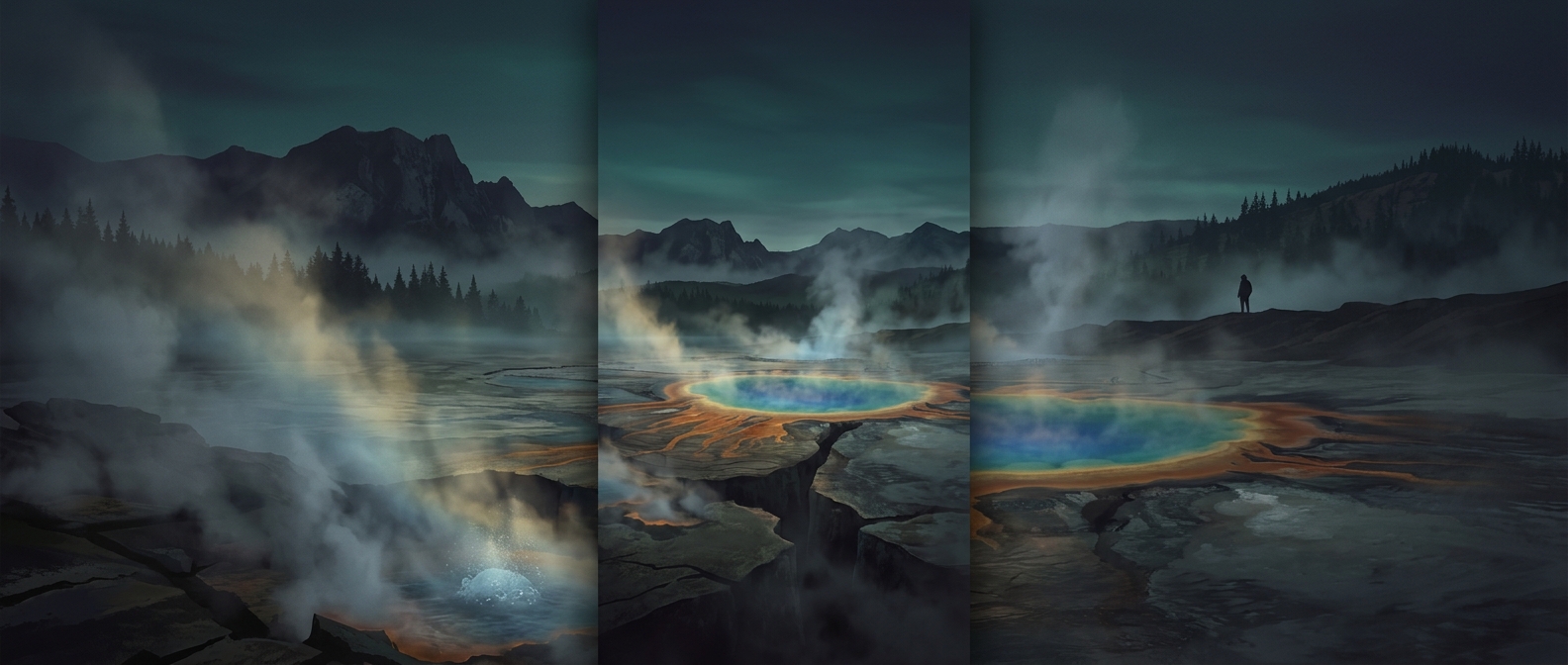
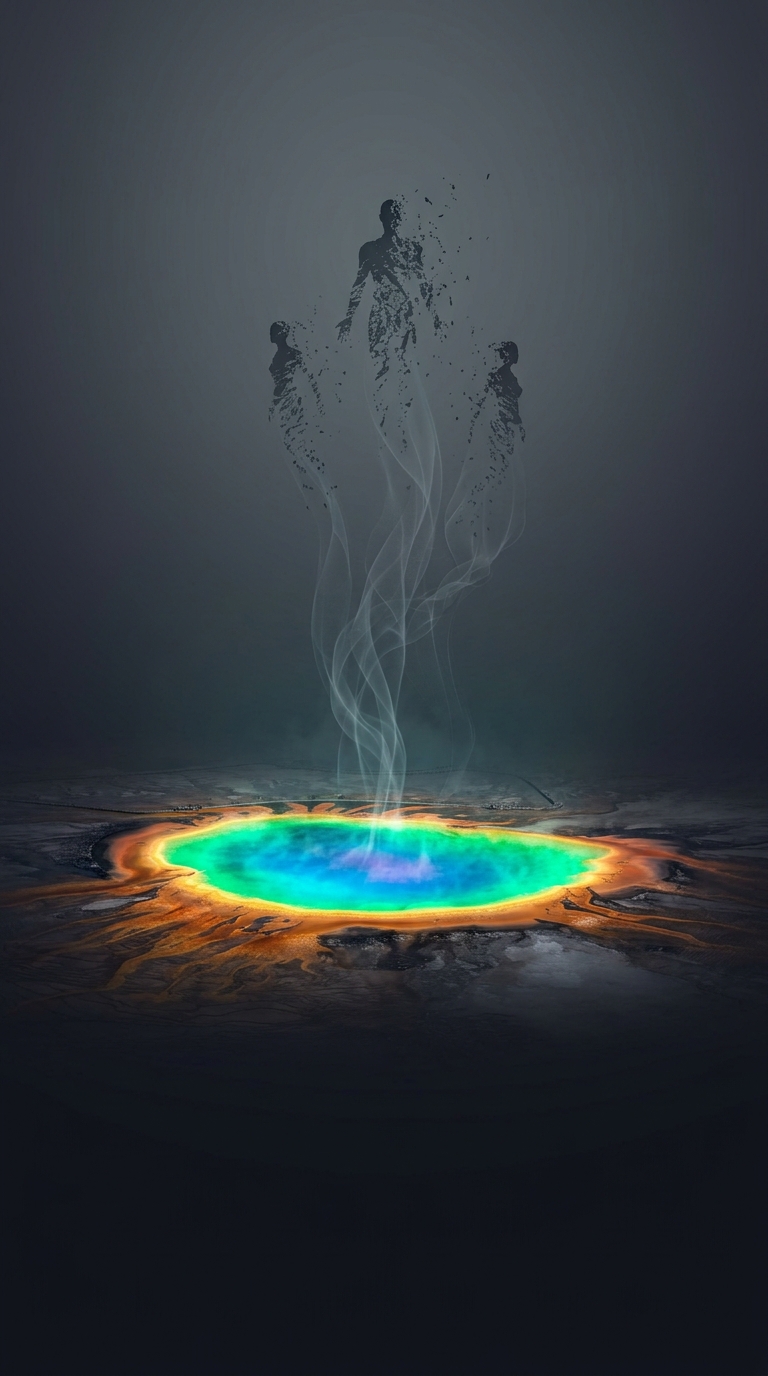
The vivid colors around Yellowstone’s hot springs are clues to a living, changing environment—not signs that the water is safe to approach. Heat-loving microbes form films and mats along the edges of some pools. Different communities thrive at different temperatures, so their colors can shift from yellow and orange to green as the water cools. Minerals and the pool’s depth also affect what visitors see.
A spring’s surface can look calm while water below is hot enough to cause catastrophic burns. In Yellowstone, water may exceed 200°F, and its boiling point is lower than at sea level because the park sits at high elevation. Temperature varies from pool to pool, though, and not every vividly colored spring is boiling or strongly acidic. The danger is real without assuming every pool has the same chemistry.
The Ground Is Part of the Hazard
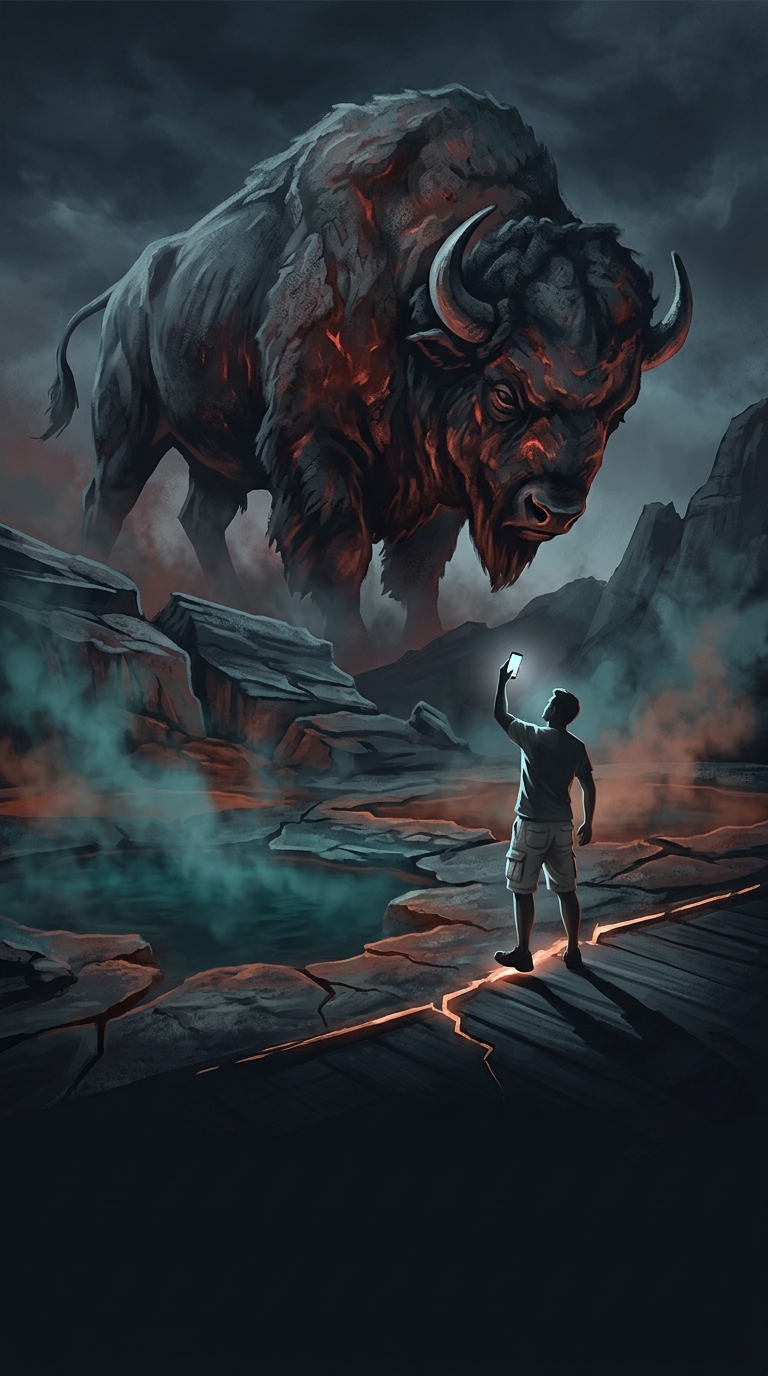
These features are fed by a hydrothermal system: groundwater heated by hot rock circulates back toward the surface. That process can leave thin crusts and unstable ground around pools. A step off a boardwalk may bring someone onto a surface that looks solid but cannot safely support their weight; a fall into scalding water can be fatal.
The water’s acidity is not what makes a quick fall a slow “dissolving” event. Yellowstone’s waters vary in acidity, and the sensational image of people routinely disappearing overnight in acid pools is misleading. The immediate, well-established threat is extreme heat, compounded by unstable ground and unpredictable water conditions.
Why the Boardwalk Matters
Boardwalks keep visitors away from fragile, hazardous ground while allowing them to see the springs up close. Staying on them—and following posted closures and warnings—is more than park etiquette: it keeps a scenic stop from becoming a plunge into water hot enough to cause devastating injury.