Why Oymyakon’s cold settles in so stubbornly
Oymyakon sits in a broad inland valley in northeastern Siberia, far from the warming influence of oceans. On clear winter nights, the ground loses heat quickly. Dense, chilled air sinks into low terrain and can linger there, keeping the settlement bitterly cold even when higher ground nearby is less frigid. The region’s record lows are exceptional, but severe cold is a recurring part of winter life.
Cold changes the work of everyday things
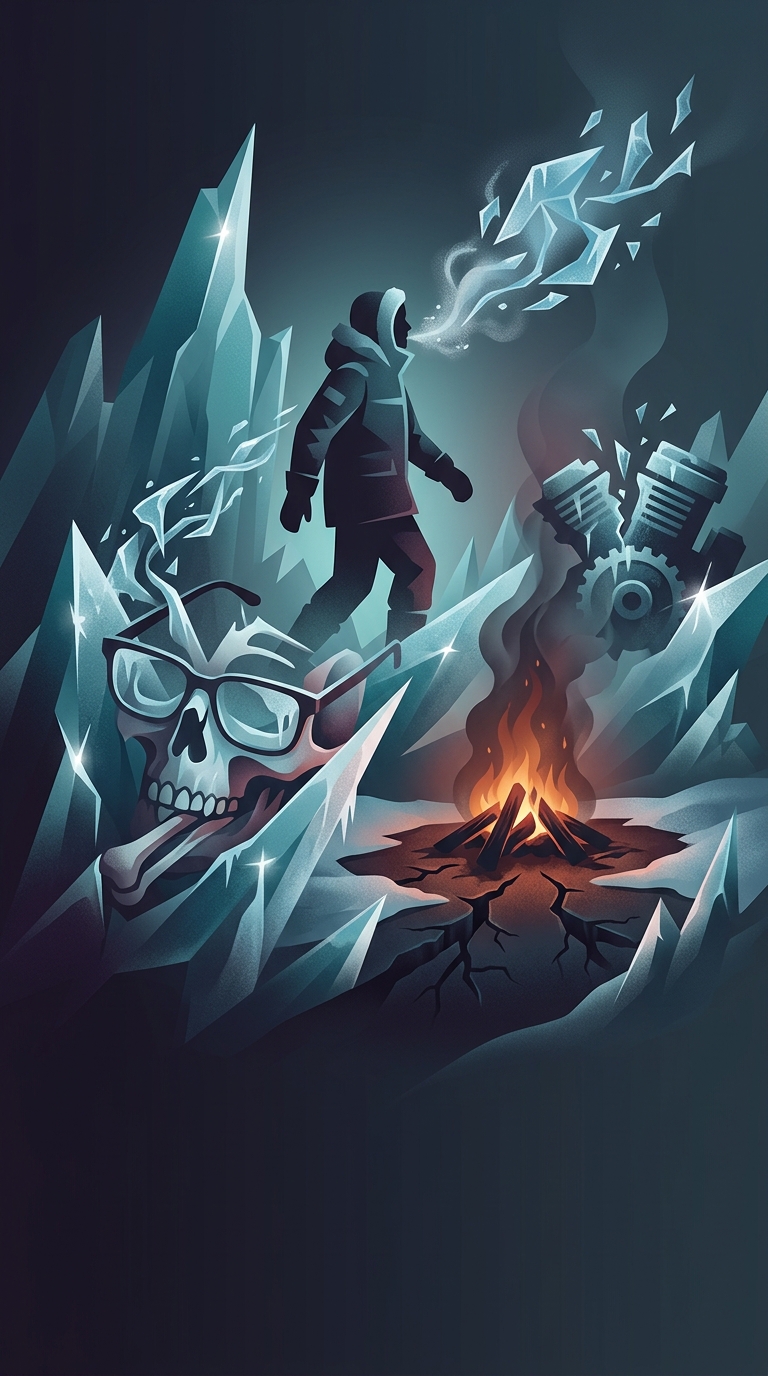
At extreme temperatures, a parked vehicle can become difficult to start: engine oil thickens, batteries deliver less power, and fuel and other fluids behave differently. Keeping an engine running can spare a driver a cold restart, though it uses fuel and is not a universal practice. Residents adapt in other ways too, planning journeys and outdoor work around the weather rather than treating a forecast as a minor inconvenience.
Frozen earth complicates burial
The ground presents a different problem. In permafrost—soil that stays frozen for at least two consecutive years—digging a grave by hand can be painfully slow. Where the earth is deeply frozen, a fire may be used to warm and soften a small area, then the loosened soil removed; the process can be repeated until the grave is deep enough. It is a practical response to ground that does not yield to a shovel on an ordinary schedule.
In Oymyakon, the cold is not just a number on a thermometer: it can determine whether a car will start and how long it takes to prepare the ground for a burial.