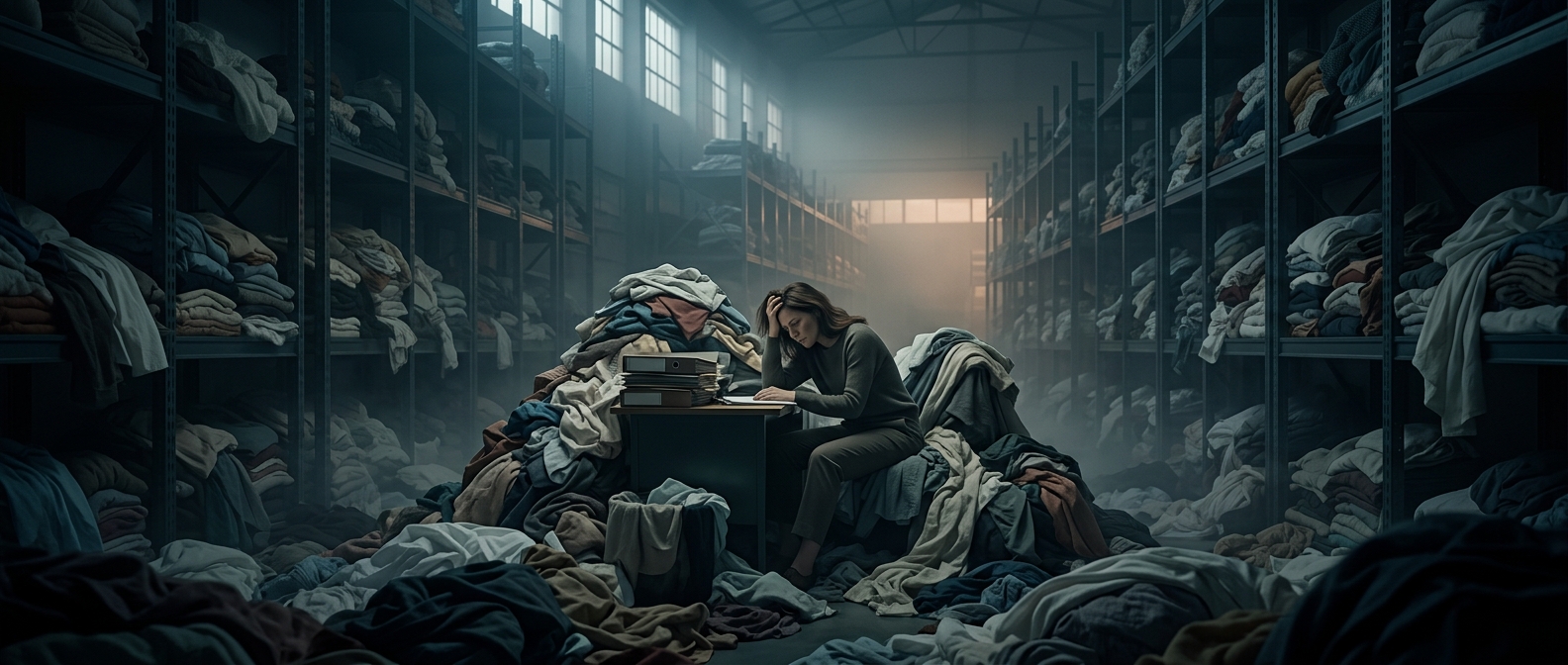
Why laundry has a place in medical coding
A clinician may document a sprained wrist or a cut, but the diagnosis alone does not say what the person was doing when it happened. Injury records can include a separate activity code—a label for the activity underway at the time. In the U.S. ICD-10-CM coding system, laundry is specific enough to have its own activity category.
That category is not a diagnosis of a “laundry injury,” and it does not mean that laundry itself caused the harm. It adds context: someone might be injured while lifting a basket, reaching into a washer, or handling clothing. The injury still gets coded according to what happened to the body; the activity code records the circumstance.
Why record an ordinary activity?
Small details become useful when many records are grouped together. If injury data consistently note what people were doing, analysts can look for patterns that a diagnosis such as “back strain” would not reveal on its own. Activity codes are one piece of that picture, alongside information about the injury and how it occurred.
The system’s fine-grained labels can make routine life sound oddly official. But the point is practical: a fall, strain, or other injury does not become less real because it happened during a household chore. In the medical record, even sorting clothes can fit into a recognized category.