Fructose enters metabolism downstream of a key control point
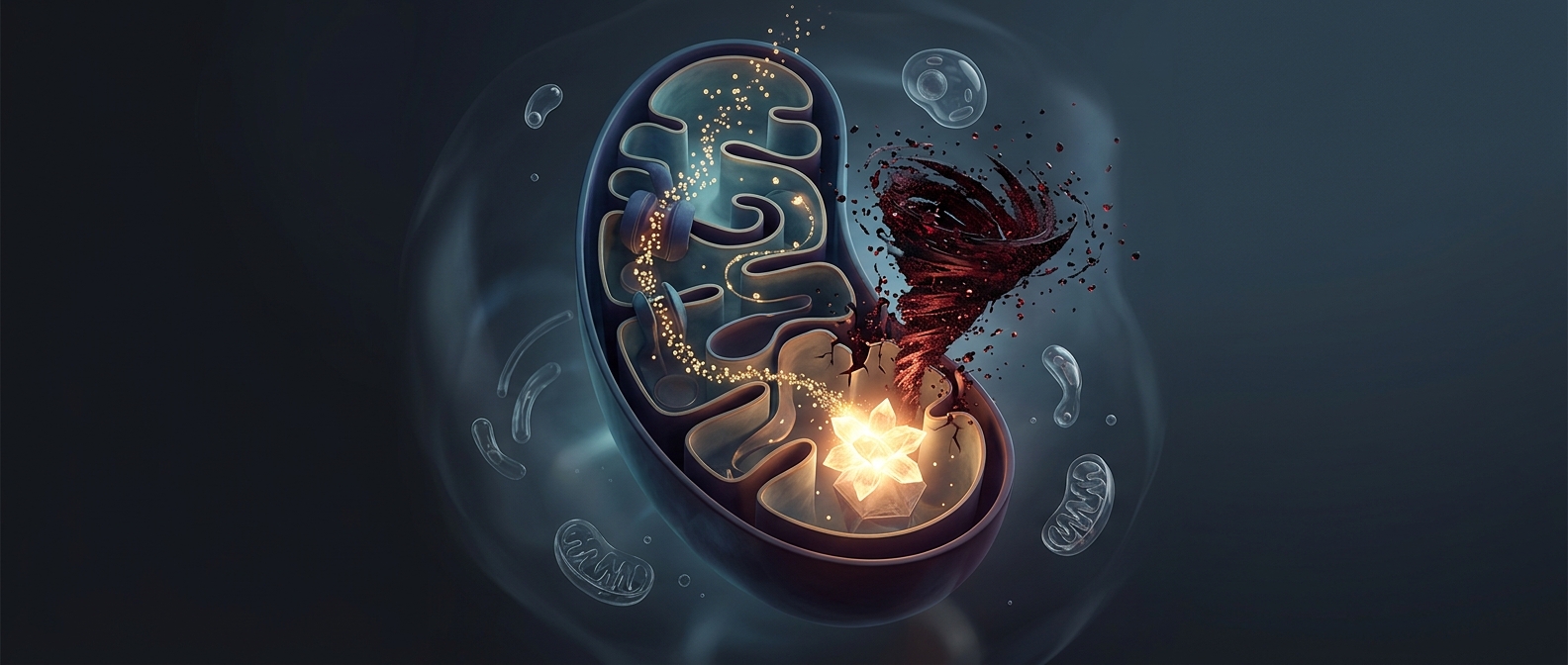
After a meal, glucose is processed through a sequence of chemical steps. One important control point is an enzyme called phosphofructokinase, which helps regulate how quickly glucose-derived material moves through that pathway. The enzyme responds to the cell’s energy needs, slowing the flow when energy is plentiful.
Fructose takes a different entry route, especially in the liver. Liver cells convert it into smaller sugar compounds that join the pathway below that control point. That means fructose carbon can move onward without passing through the same rate-setting checkpoint—not that the body has no controls at all, but that this particular brake is bypassed.
The liver has several ways to use the incoming sugar
Once fructose has been split into these smaller compounds, the liver can use them to make energy, store carbohydrate as glycogen, or release some as glucose or lactate. It can also use some of the carbon to make fat. Which route dominates depends on the amount arriving, the liver’s energy and storage state, and the body’s overall fuel needs.
The distinction matters most when a large amount of fructose arrives quickly. If the liver is already well supplied with energy and carbohydrate stores, more of the incoming material may be directed toward fat production. But bypassing a checkpoint does not mean every serving of fructose is instantly converted into body fat: the liver distributes the carbon among several possible destinations.
The amount and delivery matter
Fructose is naturally present in fruit, and it is also found in sweeteners used in many drinks and foods. The molecule follows the same basic route, but the amount and speed of delivery can differ: a sweet drink can deliver sugar rapidly, while whole fruit comes with fiber and takes longer to eat. That changes the practical load the liver receives.
So the key difference is a routing one: fructose enters liver metabolism below a major glucose control step. Its metabolic destination depends not just on the sugar’s identity, but on how much arrives and what the body can use or store at that moment.