A name that tells you what you’re looking at
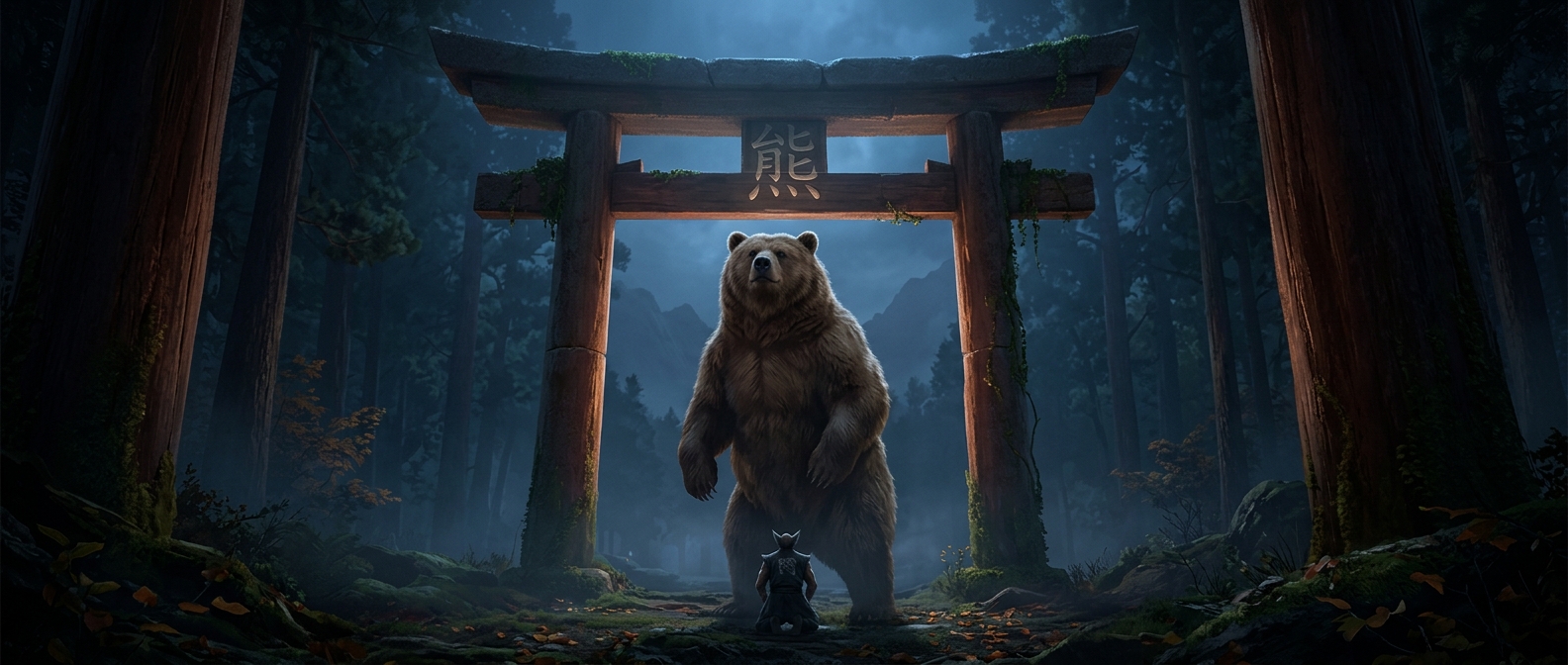
In Japanese, kuma means “bear.” So Tekken’s Kuma is not hiding a pun behind an elaborate name: the word identifies the animal on the screen. For Japanese-speaking players, the character’s name and species line up immediately; in English, that meaning is easy to miss unless it is pointed out.
More label than ordinary name
Many fighting-game characters enter the tournament with personal names, titles, or aliases. “Kuma” works more like a character label: short, easy to recognize, and inseparable from the grizzly’s bear-shaped silhouette. The bluntness suits a roster where fighters need to be identifiable at a glance, especially when their styles and appearances range from human martial artists to an animal combatant.
The name also travels cleanly across languages. Rather than replacing it with the English word “Bear,” the games keep Kuma as a proper name—so the character remains Kuma everywhere, while the Japanese meaning supplies an extra layer for players who know it. It is a rare case where the introduction is almost the whole explanation: the bear’s name is simply “bear.”