A date at the edge of prophecy
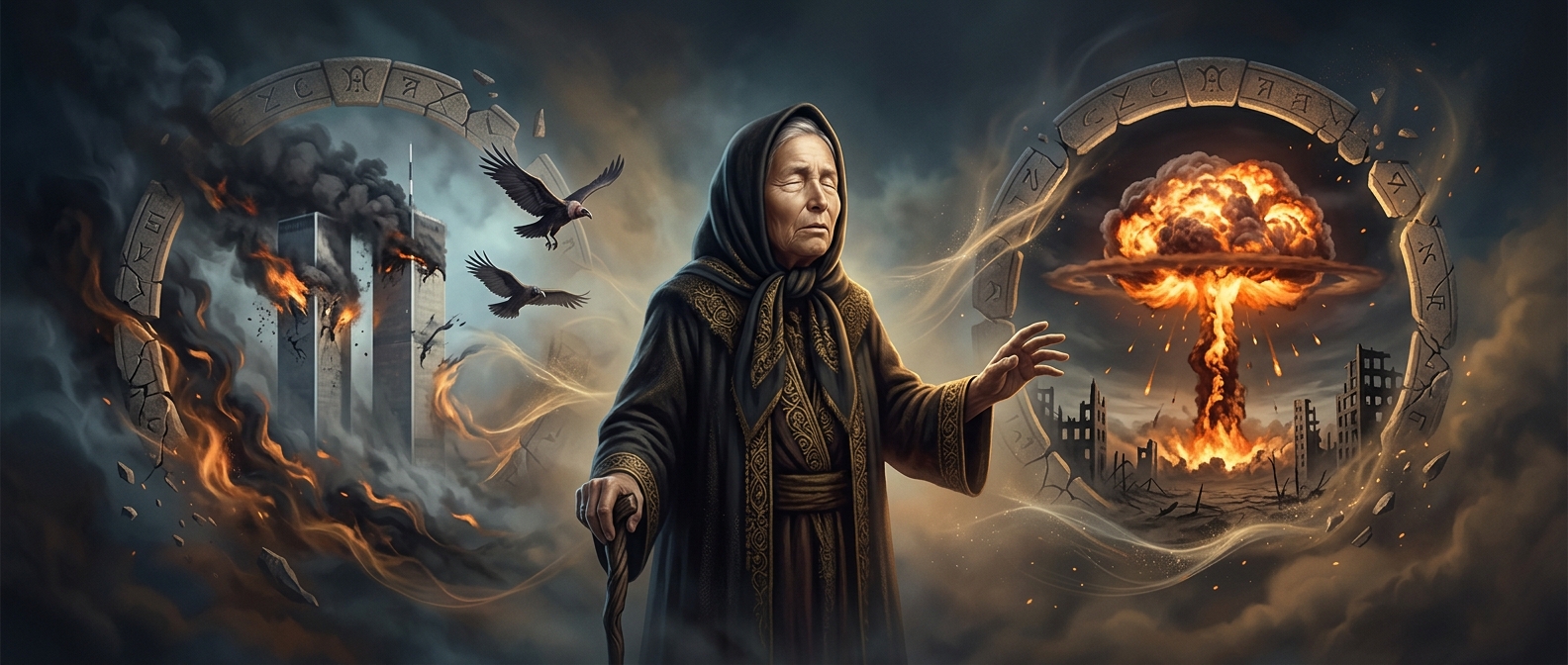
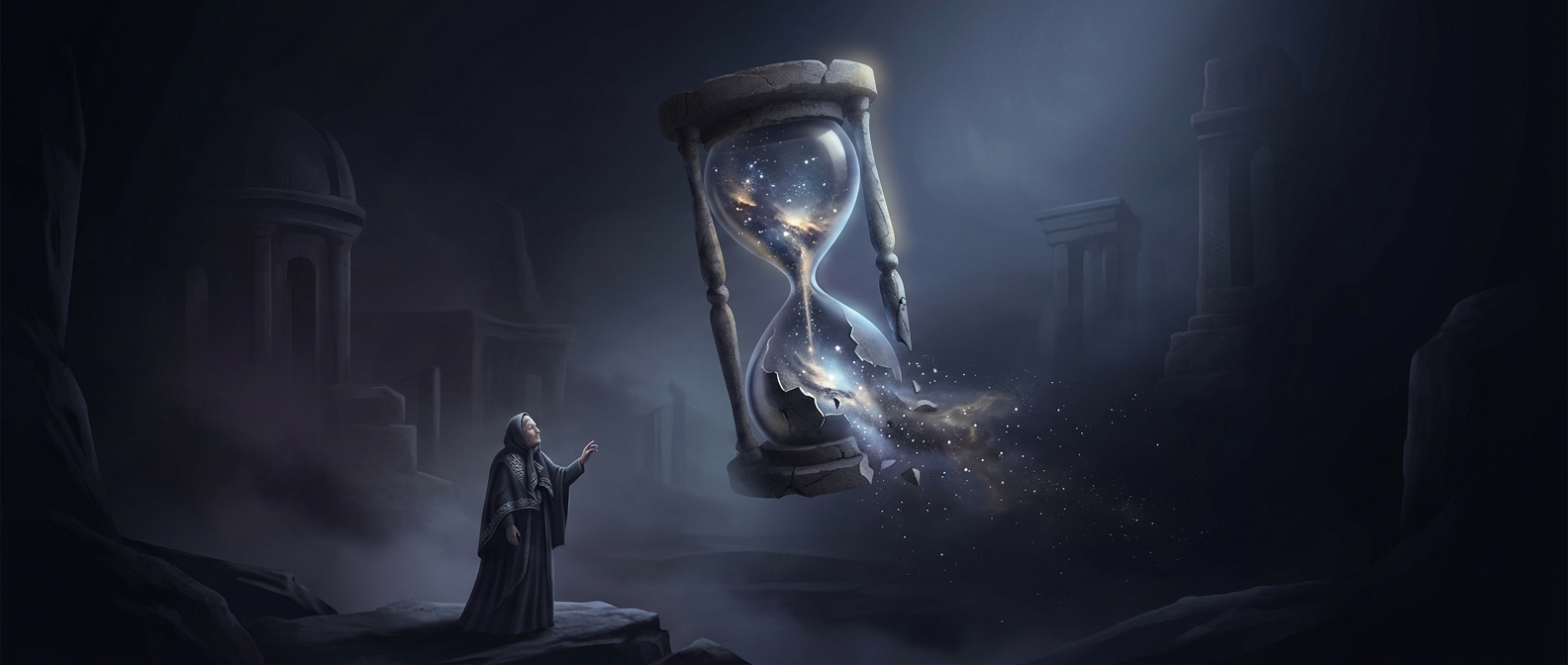
The year 5079 is presented as the final point in a long-range timeline attributed to Baba Vanga, the Bulgarian seer whose predictions have circulated widely after her death. In that telling, it is not simply a forecast of a disaster on Earth: it marks the universe’s ultimate end. The account supplies no description of what would happen or what “end” means.
That lack of detail matters. A specific year makes a prophecy easy to repeat, while the absence of a stated mechanism leaves room for many interpretations—from a physical cosmic catastrophe to a more symbolic ending. Those readings are later interpretations, not details contained in the reported prediction.
What a terminal date can—and cannot—tell us
A far-off endpoint gives a prophecy the shape of a grand story: events unfold across an immense span before reaching a final boundary. But a date alone cannot explain how that boundary is reached, or how anyone could recognize it. The striking part of the 5079 claim is therefore its scale: it pushes the imagined end of existence so far beyond ordinary human history that the date functions more as a dramatic horizon than as a description of a specific event.