How estrogen helps preserve bone
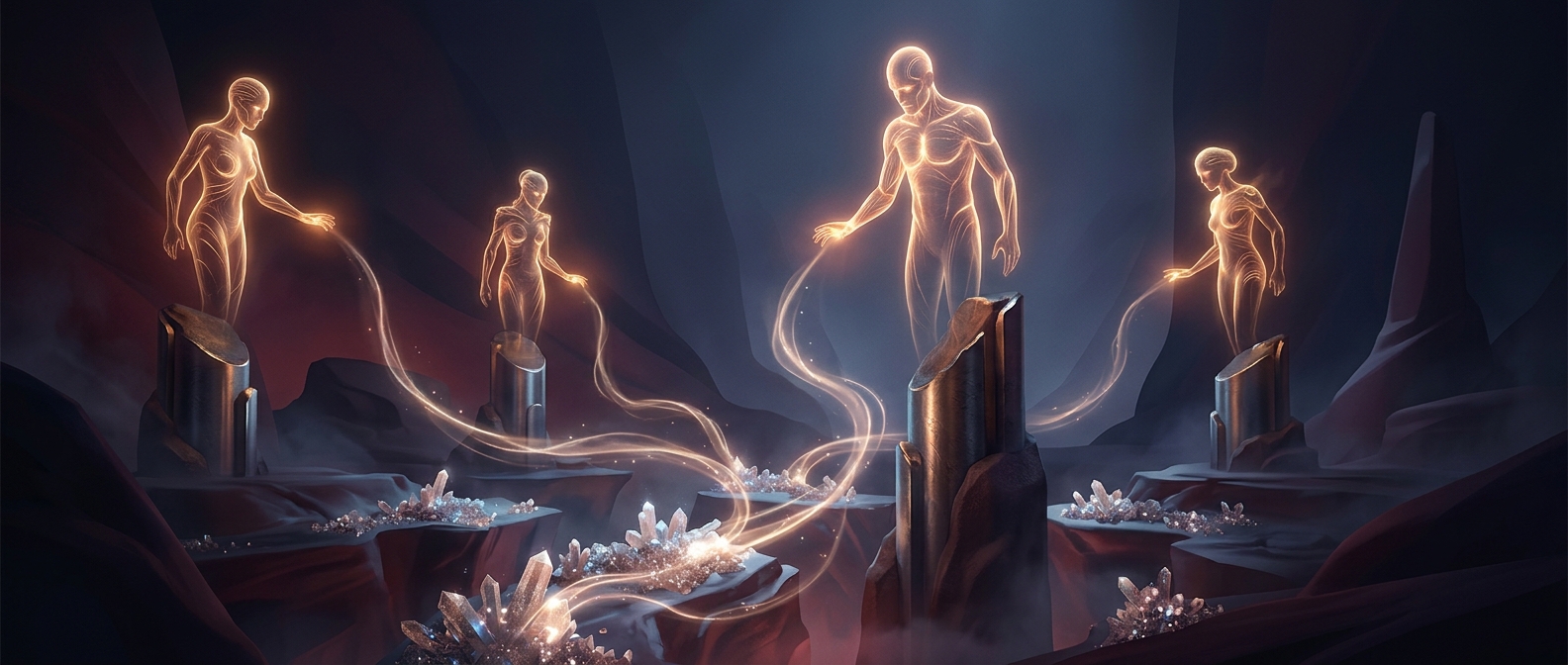
Bone is living tissue, continually renewed through a cycle of removal and replacement. Cells called osteoclasts dissolve small amounts of old bone; bone-building cells then fill in the spaces. Estrogen helps keep that cycle balanced by limiting osteoclast activity, so less bone is removed at a time.
Why menopause can change the balance
As estrogen levels fall around menopause, this restraint weakens. Osteoclasts can remove bone faster than the body replaces it, especially during the years when the decline in estrogen is most pronounced. The result is a gradual reduction in bone mass and changes to bone structure—not an immediate loss of strength, but a shift that can make bones more fragile over time.
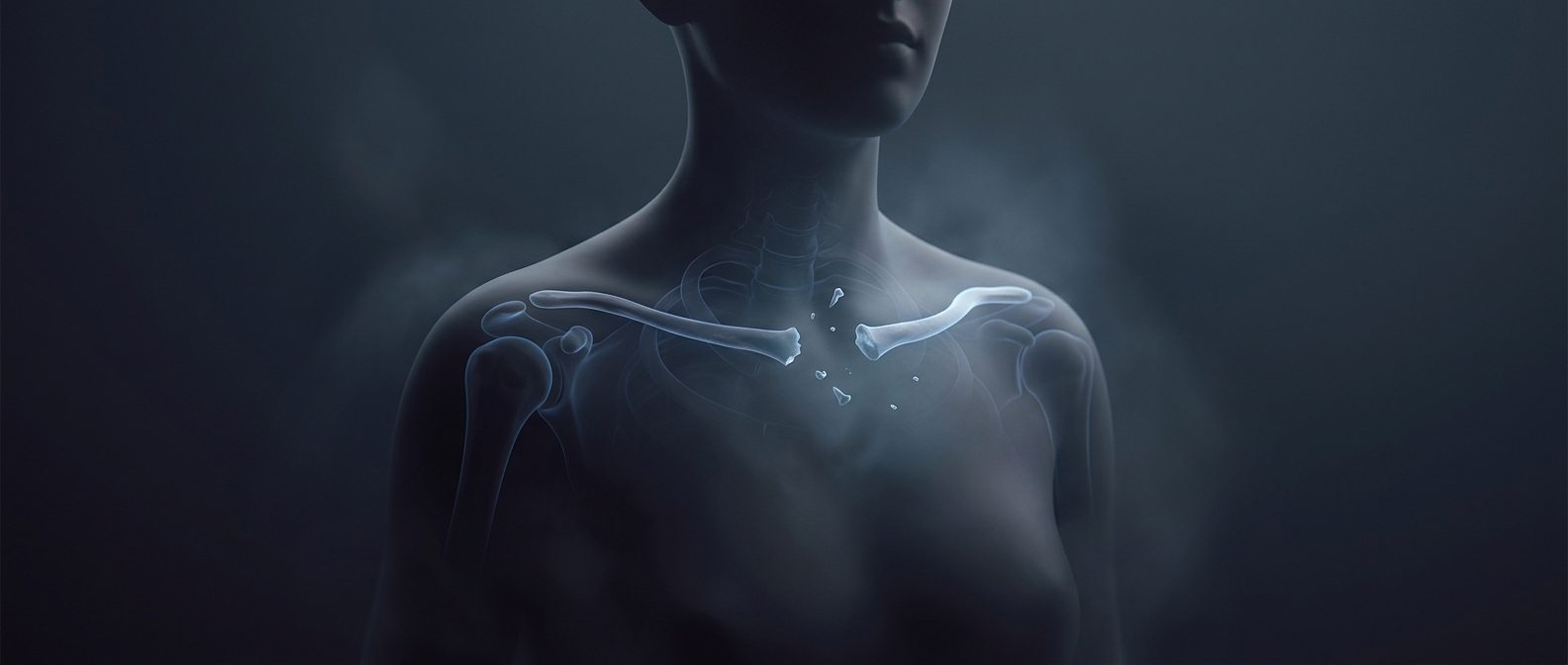
This is one reason osteoporosis, a condition in which bones become weaker and more likely to fracture, becomes more common with age and is especially prevalent after menopause. Bone loss can happen without pain or obvious warning signs; a fracture may be the first indication that bone strength has declined.
The consequence of a faster remodeling cycle
The key is not that estrogen makes bone static. Healthy bones still need to be renewed. Estrogen helps regulate the pace of that renewal, and when its level drops, the balance can tip toward removal. A fall that once caused little harm may then be more likely to break a bone, particularly at the hip, spine, or wrist.