Putting a Price on Nighttime Noise
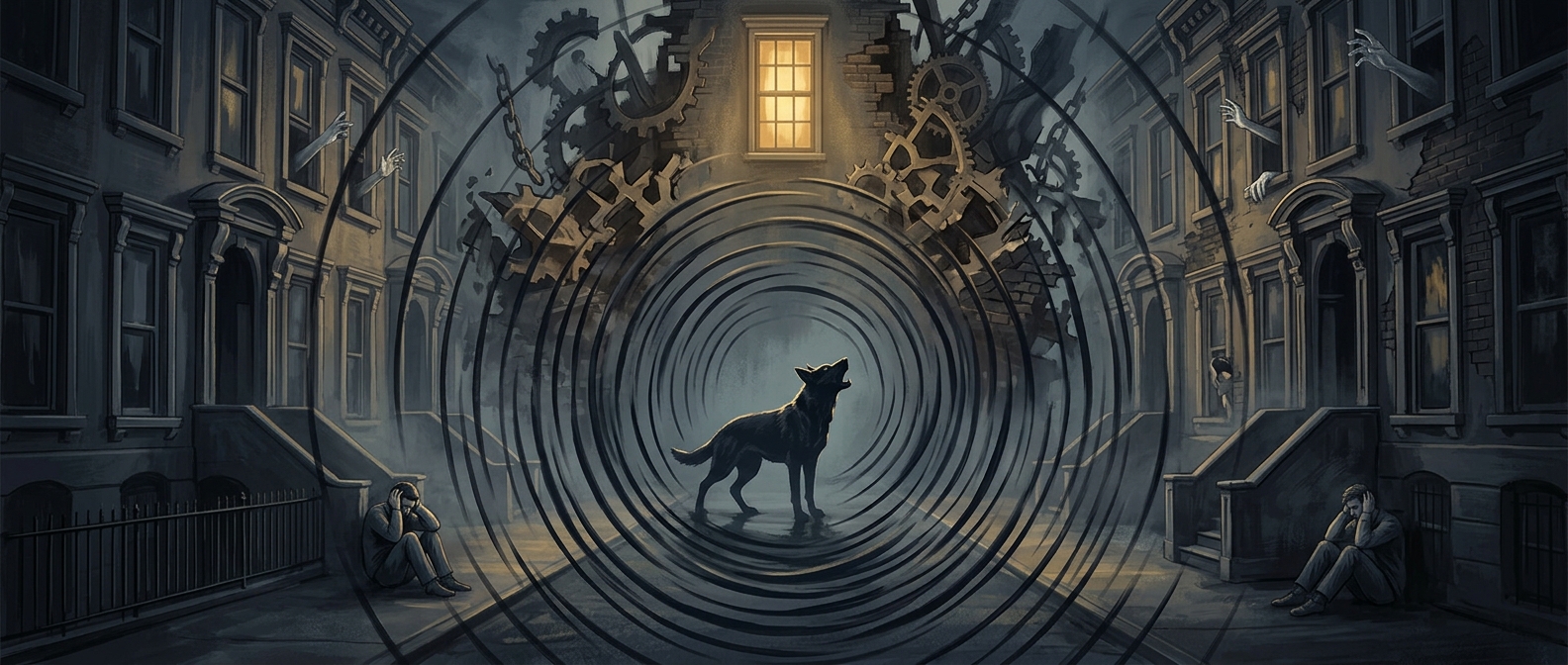
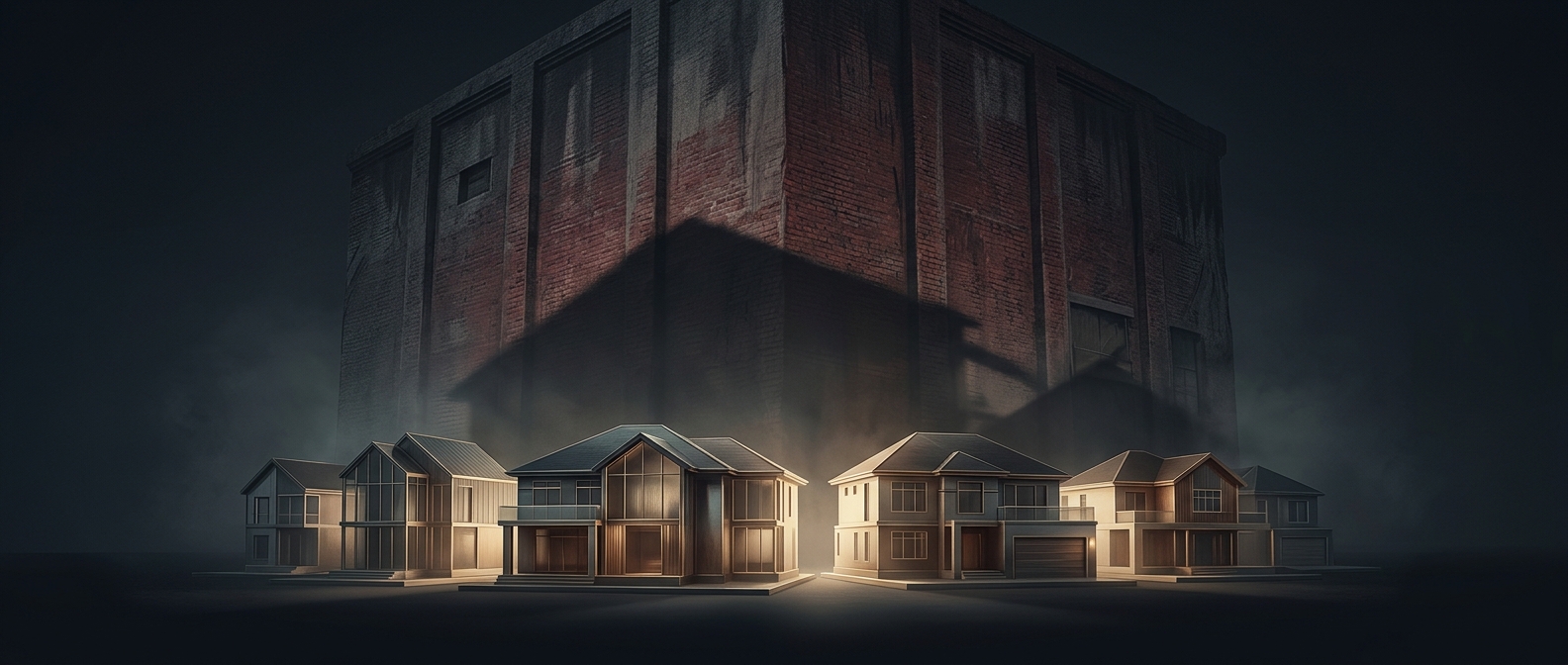
A construction project’s costs are usually counted in wages, equipment, and materials. But when crews work loudly after hours, nearby residents bear another cost: interrupted sleep. Economists call this an external cost—harm created by an activity that is not automatically included in the producer’s bill.
A city can make that harm harder to ignore by charging for noisy work during quiet hours, often through a permit fee or penalty. The charge does not restore a neighbor’s lost sleep. It changes the project’s calculation: working loudly at night now costs more than the crew’s labor and equipment alone.
The Fee Can Change the Work Plan
Once the charge is part of the budget, a builder has a reason to compare alternatives. Could the loudest task wait until daytime? Could quieter machinery, barriers, or a different work sequence reduce the noise? If those changes cost less than the fee, the project has an incentive to make them. If urgent work cannot wait, paying may still be the practical choice.
The policy’s effect depends on how the city defines and enforces the rule. A charge tied to the hour and degree of noise gives builders a clearer signal than a flat fee that treats brief, modest sound like prolonged disruption. Reliable monitoring matters too: without it, compliant crews may pay while louder work goes unchecked.
The central tradeoff is straightforward: a fee can preserve necessary construction while making nighttime disturbance count in the project’s own budget—not only in the neighbors’ bedrooms.