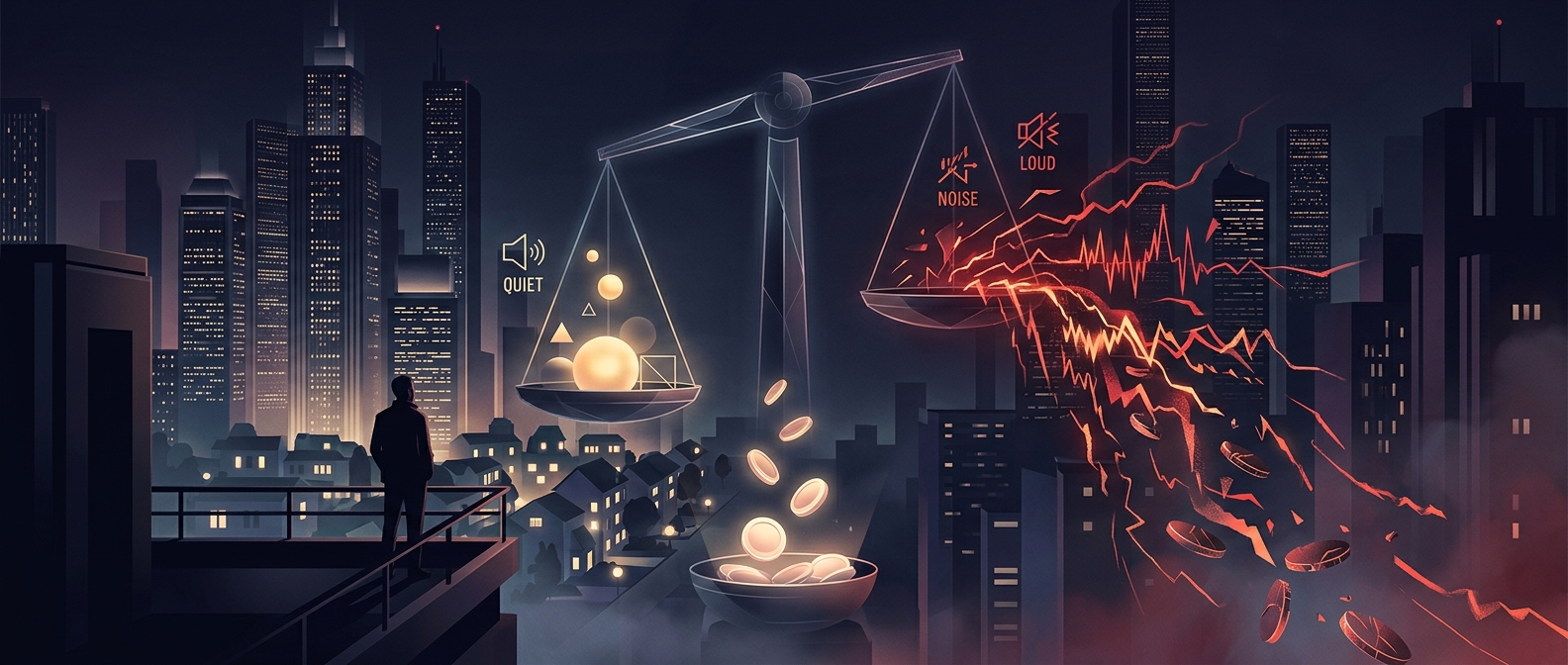
How a pollution tax changes a company’s choices
A factory deciding whether to install cleaner equipment compares the equipment’s cost with the expense of continuing to operate as it does. If polluted air harms nearby residents but the factory does not pay for that harm, its private calculation leaves out part of the real cost of production. Economists call this a negative externality: a cost created by an activity but borne by people outside the transaction.
A Pigovian tax adds a charge tied to the harmful activity—such as emissions—to the producer’s calculation. The charge does not automatically make pollution disappear. Instead, it gives the company a financial reason to reduce emissions whenever doing so costs less than paying the tax. A firm might change its fuel, improve its processes, or install pollution controls; another might pay the charge if cutting emissions would cost more.
The tax works through a price signal
The key idea is to make the price of producing something reflect more of its total cost. If the tax is set near the harm caused by an additional unit of pollution, businesses face a stronger incentive to cut the emissions that create the greatest damage at the lowest cost. Companies can choose how to respond, rather than being required to use one prescribed technology.
That flexibility can also encourage improvements over time. Once a tax makes each unit of pollution costly, a cleaner process can keep saving money for as long as it reduces emissions. A rule that merely requires a company to meet a fixed limit may not provide the same continuing reward for reducing pollution below that limit.
The hard part is estimating the harm
The policy depends on choices that are difficult in practice: which emissions to tax, how to measure them, and how much harm each unit causes. Damage can vary by location and by who is exposed, while estimates of health and environmental costs are uncertain. A tax set too low may leave much of the harm unpriced; one set too high can impose large costs on businesses and their customers.
Tax revenue can be used in different ways, including being returned to households or funding public programs, but that choice is separate from the basic incentive. The central shift is that pollution becomes a cost a producer has reason to avoid—not merely a bill that falls on people who never chose to buy the product.