The ATM’s early problem was who used it
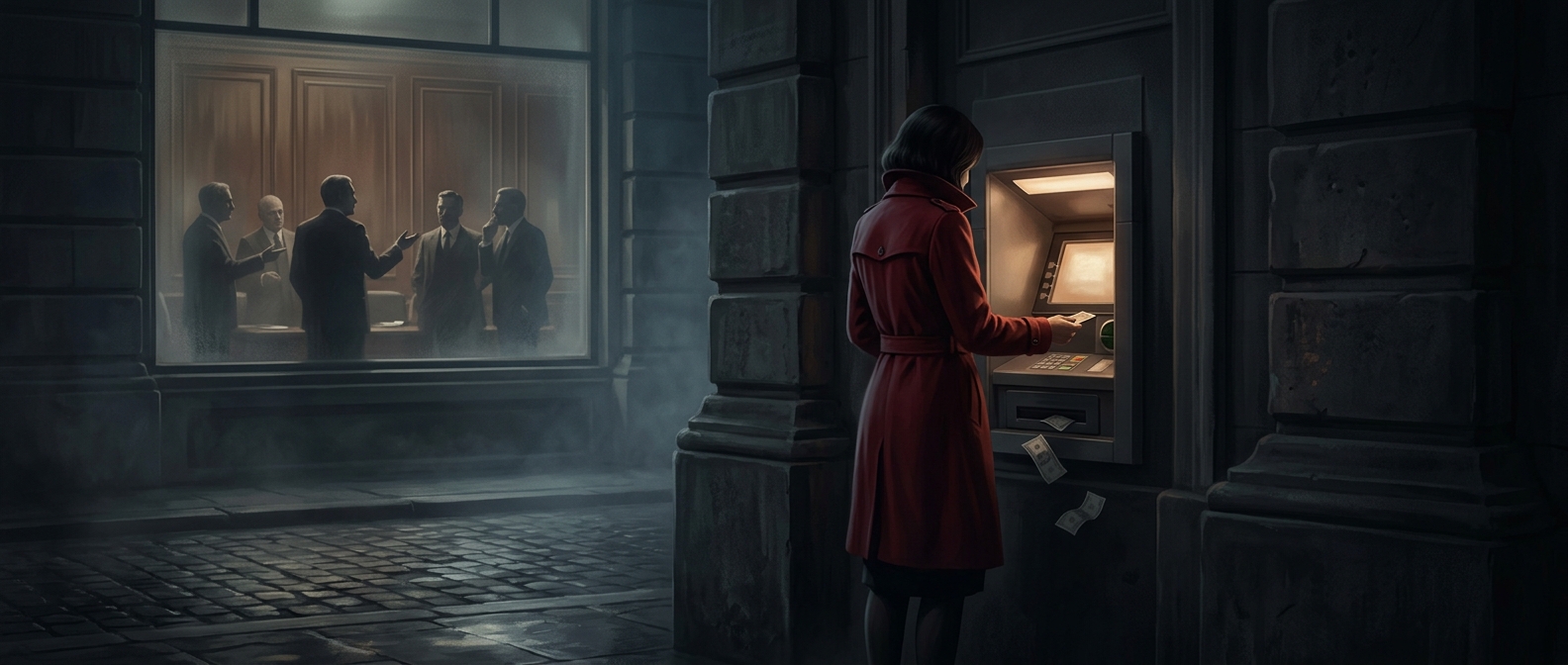
A bank could see an after-hours cash machine as a poor advertisement. Its first users included people—among them sex workers and gamblers—whom some bankers did not regard as the clientele they wanted to attract. The issue was not that the machine failed to dispense cash. It was that its visible users did not fit the bank’s preferred image of a respectable, mainstream service.
That made the ATM’s value harder to judge. A machine might meet a real need without bringing in the customers or business a bank hoped to cultivate. Convenience alone was not enough to make a new, costly piece of equipment seem worthwhile.
The calculation changed when labor entered it
The stronger case was operational: a machine could handle routine cash withdrawals without requiring a teller to be on duty for each one. That did not make cash free to provide—machines still had to be installed, supplied, and maintained—but it offered a way to serve customers while reducing the amount of staff time devoted to basic transactions.
Banks therefore had a clearer financial reason to adopt ATMs when they could compare the machine’s costs with the cost of teller shifts. The machine’s appeal was no longer only about attracting people into a branch; it was also about delivering a service with less ongoing labor.
Automation can win without changing the customer
The shift illustrates how institutions often judge technology by its effect on their own costs, not just by whether people find it useful. The same after-hours withdrawals that had seemed like an awkward fit could become evidence of demand—and, once teller labor was part of the equation, a reason to install the machines.