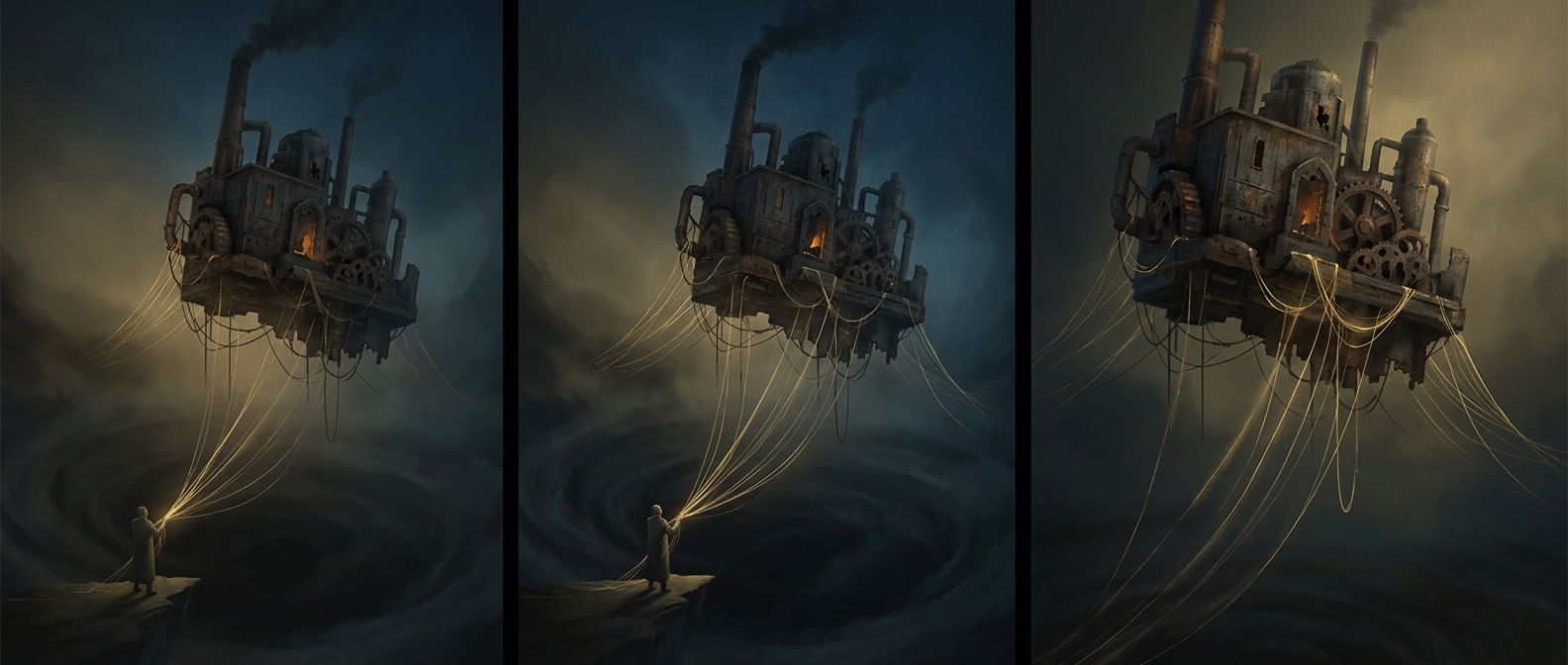
When the emergency ended, the support system remained
Mohair is a durable, lustrous fiber from Angora goats. Wartime demand for uniforms gave the market a compelling public purpose; once that need faded, the subsidy no longer had the same justification. But ending a payment is not simply a matter of letting an old program expire. It means choosing who will absorb the change.
A subsidy can help keep producers’ returns from falling as sharply as they otherwise might. Over time, farms and businesses make plans around that support. Removing it can mean lower income for producers and disruption for communities tied to the trade, even when the original government need has passed.
Why a small market can be hard to leave behind
The politics of ending support are lopsided. The costs of a subsidy are spread across the public, while the losses from ending it are concentrated among the people who rely on it. Those producers have a strong reason to press their case; for most taxpayers, the cost to any one person is less visible. That imbalance can make continuation easier than a clean break.
Support can also become part of a broader political bargain. Once a program has beneficiaries and supporters, removing it may require lawmakers to accept a visible loss without an equally visible gain. The result is a familiar policy afterlife: the original rationale weakens, but the machinery and constituency remain.
The legacy of a subsidy
That does not mean the wartime need continued, or that every payment was unchanged. It means the end of the emergency did not automatically settle the fate of the policy. The striking part is how a temporary demand can leave behind a durable commitment: after uniforms stop driving the market, the question shifts from how to supply the wartime need to who should bear the cost of ending government support.