Why Empty Places Still Cost Money
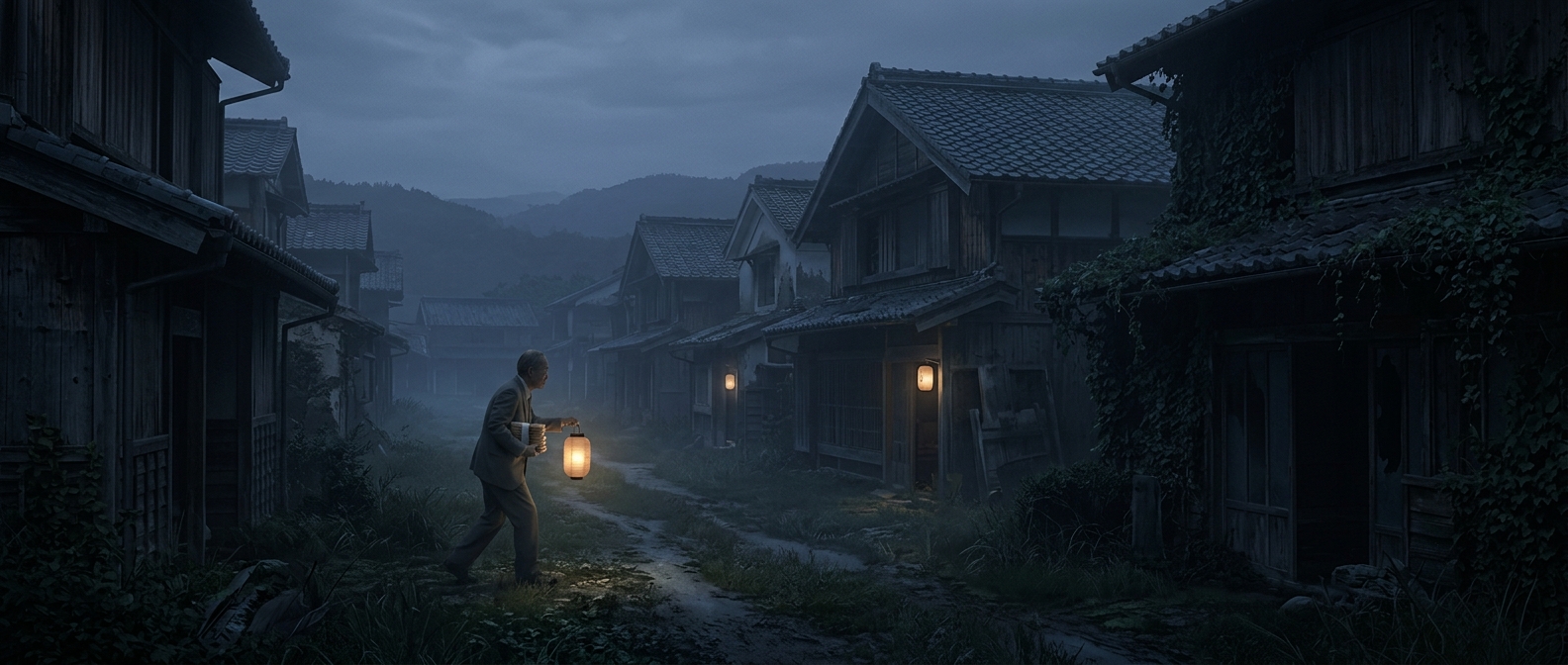
When a town loses residents, its roads and public buildings do not vanish with them. A road still needs repairs to remain safe and passable; an unused building can still deteriorate or become a hazard. These costs often decline more slowly than the population, because upkeep depends on the physical network, not just on how many people live nearby.
That leaves shrinking municipalities with a difficult mismatch: fewer residents and a smaller local tax base, but infrastructure spread across much the same territory. Central funding helps local governments cover public responsibilities they may no longer be able to finance from local revenue alone.
The Tradeoff Behind the Funding
The money is not simply a payment for keeping a town populated. It helps sustain services and infrastructure administered locally, including in places where decline has made each remaining road or facility costly to maintain. National support can also prevent a municipality’s shrinking tax base from determining, by itself, whether basic public assets receive attention.
But continued upkeep has a tradeoff. Paying to maintain scattered infrastructure can keep access and safety from collapsing abruptly, while also leaving municipalities with long-term costs as their populations dwindle. The practical challenge is deciding what still needs to function, what can be consolidated, and what can safely be allowed to go unused.
A town can become nearly empty faster than its physical obligations disappear. That is why the bills can outlast the residents.