How support can keep production running without customers
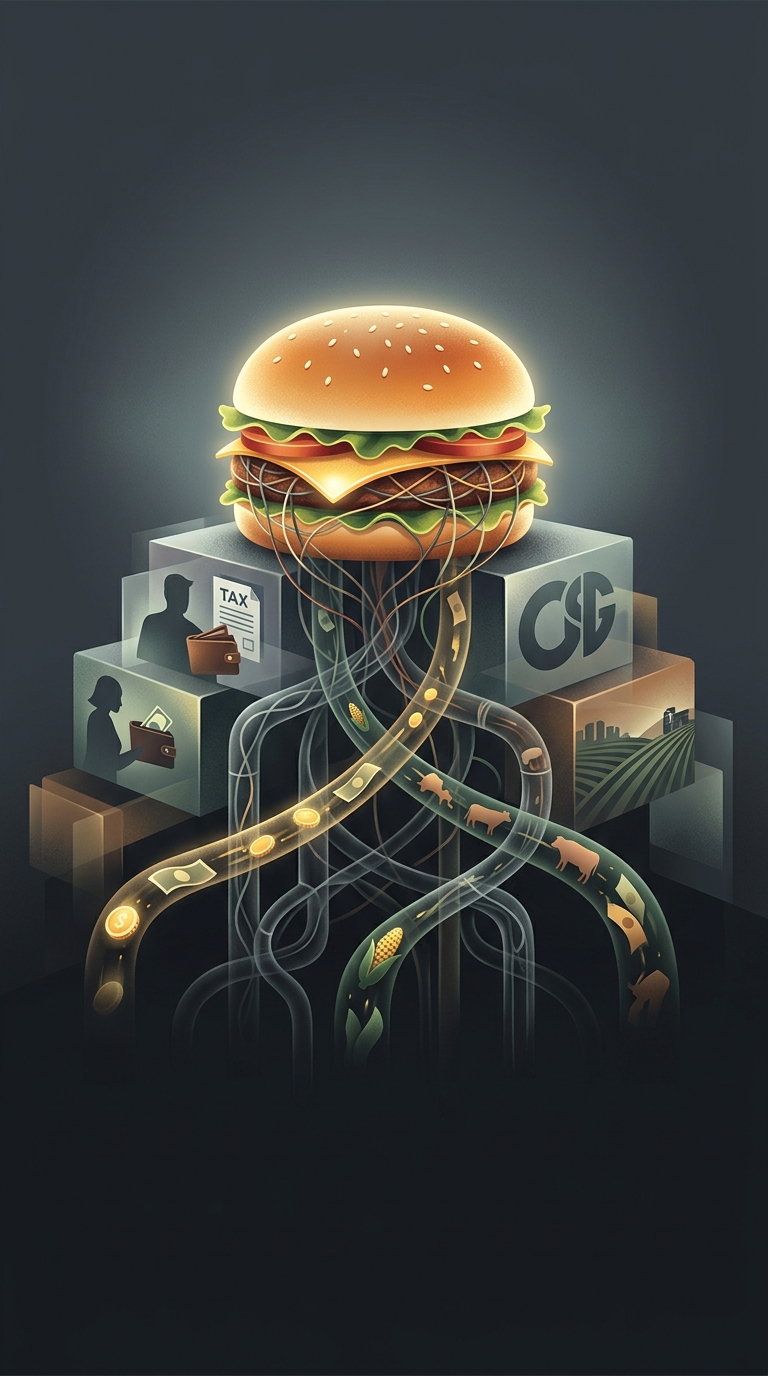
A government does not have to order a factory to keep operating to prevent it from closing. It can make continued production financially possible through grants, tax breaks, cheap loans, purchase guarantees, or rules that limit competing imports. Each tool changes the calculation facing a business: revenue that would not cover costs on the open market may be enough once public support is included.
A guaranteed price shows how surplus can emerge. If the state promises producers a minimum payment, companies have reason to keep making goods even when buyers will pay less—or want fewer of them. A purchase guarantee can shift the problem directly to the government, which must store, distribute, or otherwise manage what private customers do not take.
Why the support is hard to withdraw
The benefits are concentrated. Workers, suppliers, and towns tied to an industry may depend on it, and they can point to immediate losses if support ends. The cost, by contrast, is often spread across taxpayers or consumers, making each person’s share less visible. That imbalance can make continuing aid politically easier than a sudden shutdown, even when the industry’s output no longer matches demand.
There is also a timing problem. Factories, equipment, and specialized skills cannot always be put to another use quickly. Ending assistance may therefore mean more than stopping payments: it can trigger layoffs, unpaid loans, and a decline in local businesses. Those real transition costs can justify temporary help, but they can also become reasons to renew it year after year.
The tradeoff behind the stockpile
Support can preserve jobs, production capacity, or a region’s economic base. But when payments reward making goods rather than adapting to what buyers want, they can protect existing producers from the pressure to change. Public money then pays not only to keep capacity available, but sometimes to handle products with no practical market.
The telling sign is what happens to the output: if warehouses, government purchases, or repeated aid are needed to keep production going, support may be sustaining the industry more reliably than customers are.