Why a familiar answer can disappear under the lights
A contestant may know an answer at home and still struggle to retrieve it onstage. The problem is not necessarily that the information has vanished. In a high-pressure moment, attention is divided between the question and everything surrounding it: the clock, the audience, the cameras, and the possibility of getting it wrong.
That extra monitoring uses working memory, the limited mental workspace used to hold a question in mind while searching for an answer. If attention gets pulled toward self-conscious thoughts—“How much time is left?” or “What if I miss?”—there is less room for the search itself. A name or fact that would come readily in a relaxed setting can feel just out of reach.
How the set turns up the pressure
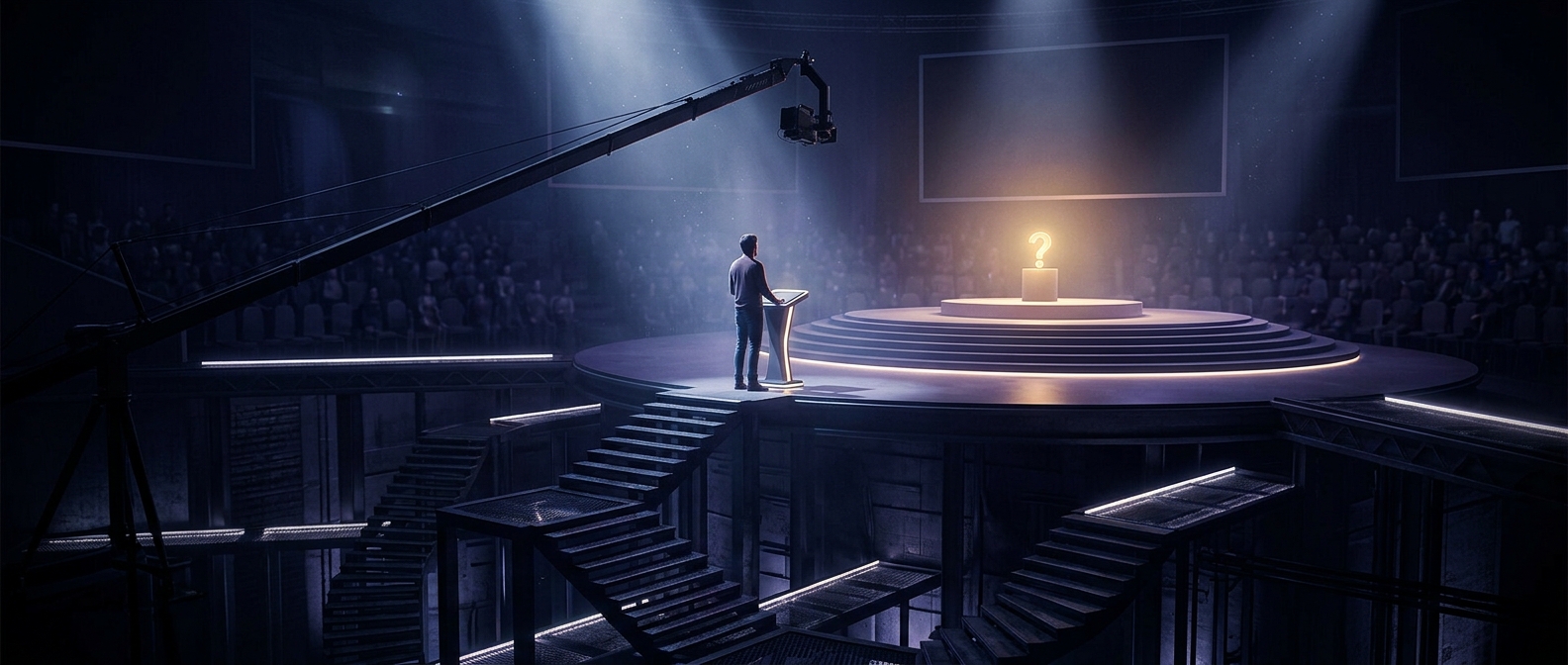
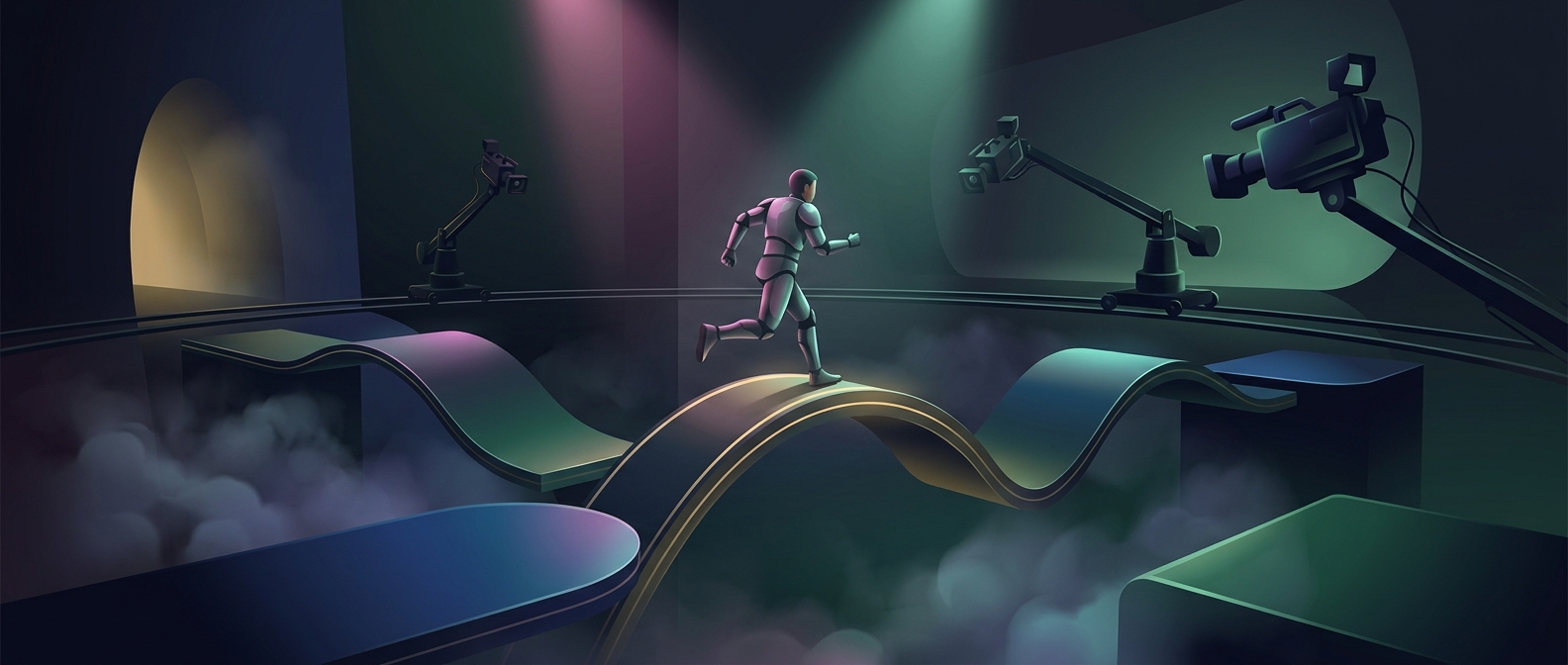
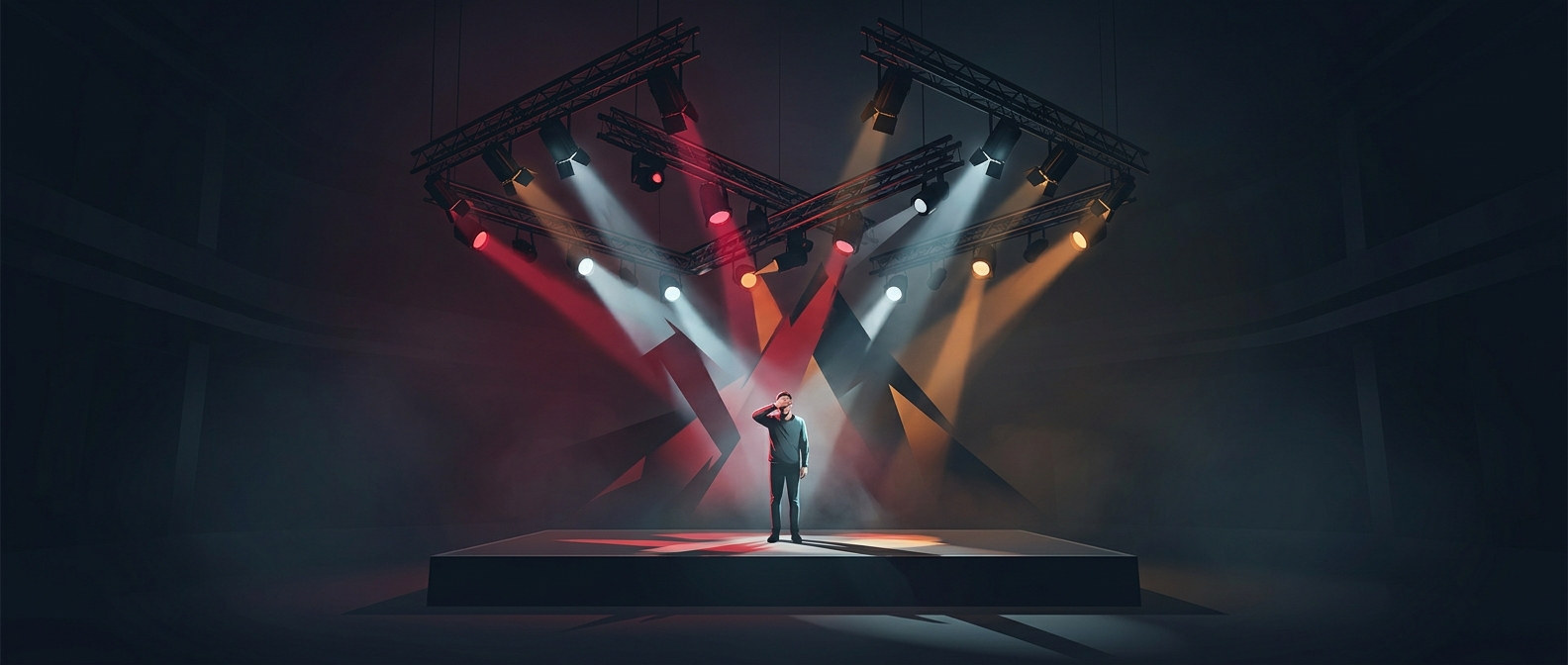
Quiz shows make the moment unusually vivid. Bright spotlights make the stage feel exposed; buzzers and countdowns signal urgency; an audience and a host make each pause feel noticeable. Sudden quiet can be just as distracting as noise: with no other sound to focus on, a contestant may become acutely aware of waiting to answer.
These cues do not erase knowledge, and they do not affect every person the same way. They can, however, sharpen the sense that a response must come immediately. That urgency may prompt a rushed guess or interrupt the slower process of retrieving a specific word, date, or name.
Why the pause matters
A brief hesitation on television can look like a lack of knowledge, even when the contestant recognizes the answer moments later. The format makes recall part of the performance: contestants must not only know the material but bring it to mind while being watched and timed.
That is why a basic question can become difficult onstage. The fact is still in memory; the challenge is reaching it while the spotlight, the clock, and the room all compete for attention.