A coast-to-coast race as an argument about control
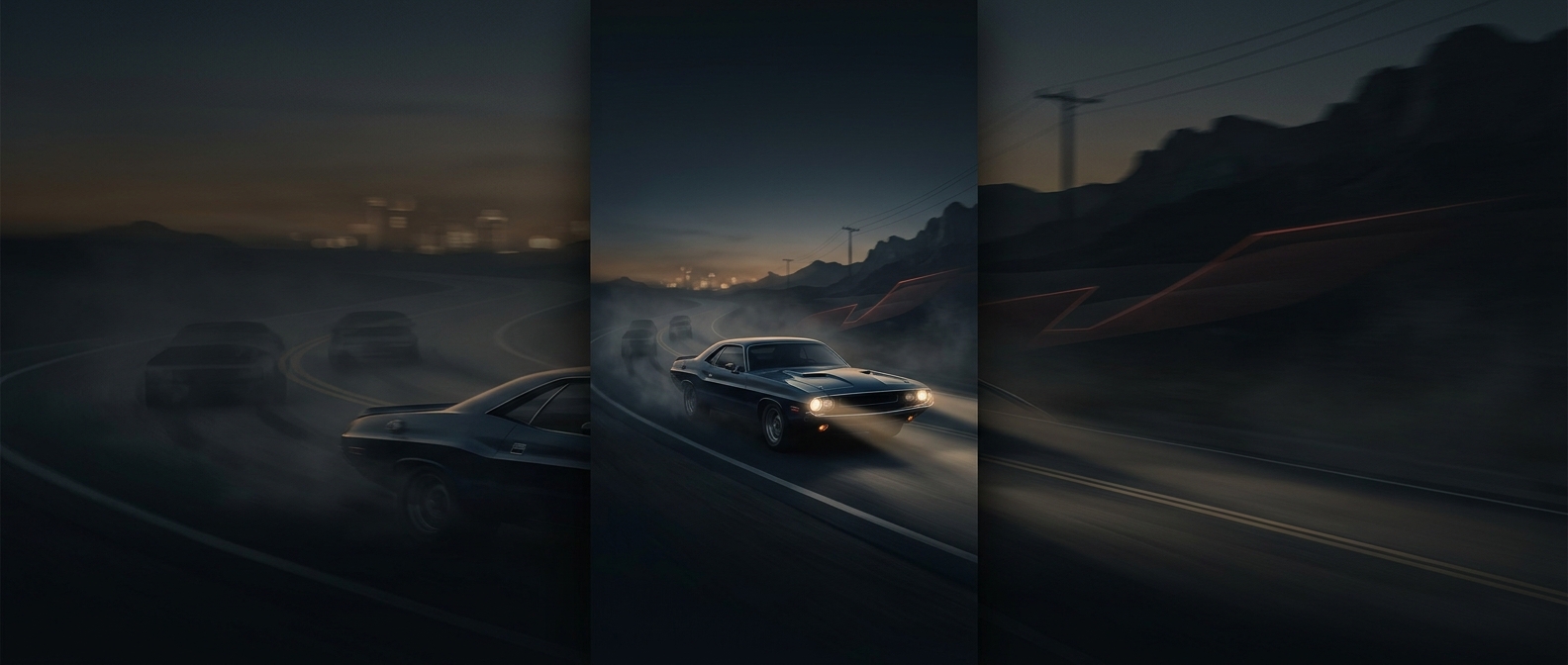
The Cannonball Dash turned a policy dispute into a test of distance and time. Its premise was simple: if drivers treated the country’s highways as one continuous course, a uniform speed limit could be challenged not just in speeches but through an audacious race from coast to coast.
That made the event more than a contest between drivers. It was a protest against the idea that a single national rule could neatly govern how people traveled across roads that varied in traffic, terrain, and conditions. The race’s organizers and entrants treated the open road as evidence that drivers would resist being reduced to one prescribed pace.
The road made the protest concrete
A long-distance race measures more than a car’s top speed. The clock keeps running through slow stretches, congestion, and stops, so planning and endurance matter alongside the vehicle. In that setting, the 55-mph limit became a symbol of a larger conflict: federal authority setting a common ceiling versus drivers claiming discretion behind the wheel.
But the format also exposed the cost of turning that argument into a stunt. A public highway is shared space, not a closed circuit; other motorists cannot opt out of the risk created by racers pushing to make up time. The Dash made its point by treating ordinary roads as a finish-line course—and that choice made the protest illegal and potentially dangerous.
The race’s enduring provocation was therefore built into its route: it asked how far a driver could go, and how quickly, on roads never reserved for racing.