What blue-light glasses can—and can’t—do
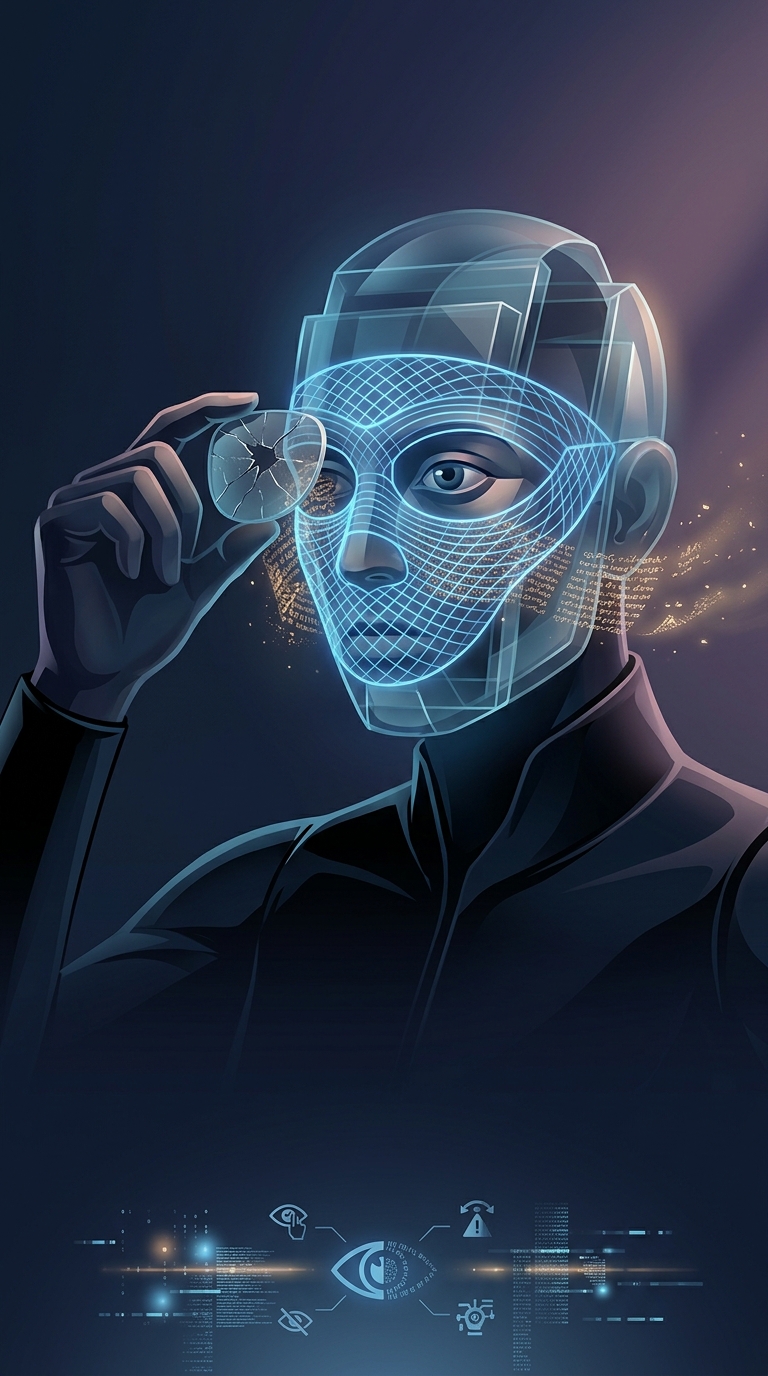
Blue-light-blocking lenses filter some short-wavelength light, including light emitted by screens. That sounds like a direct fix for “digital eye strain,” but the main causes of screen-related discomfort are usually elsewhere: staring at a fixed distance, blinking less often, glare, or an uncorrected vision problem. Filtering blue light does not address those habits or conditions.
Research has not shown that these glasses reliably relieve digital eye strain or protect healthy eyes from damage caused by ordinary screen use. That gap between a simple product claim and the evidence is why eye-care professionals often push back on the marketing—not because the lenses do nothing at all, but because their advertised benefits can outrun what they have been shown to do.
Light, sleep, and the timing question
Blue wavelengths can influence the body’s internal clock. Bright light in the evening can make it harder for some people to feel sleepy, and screens are one possible source. But that does not establish that blue-light glasses are a dependable sleep treatment. How bright the screen is, how long someone uses it, and how close to bedtime they use it can all matter; glasses do not automatically cancel those effects.
For screen discomfort, practical changes target the more likely causes: take regular breaks to look into the distance, reduce glare, blink deliberately, and check whether the screen or prescription needs adjusting. For a better chance of winding down, lowering screen brightness and putting devices away before bed may be more useful than relying on tinted lenses.
The key distinction is simple: filtering a kind of light is a real function; preventing eye strain or eye damage is a much bigger claim.