A lid that slides across the eye
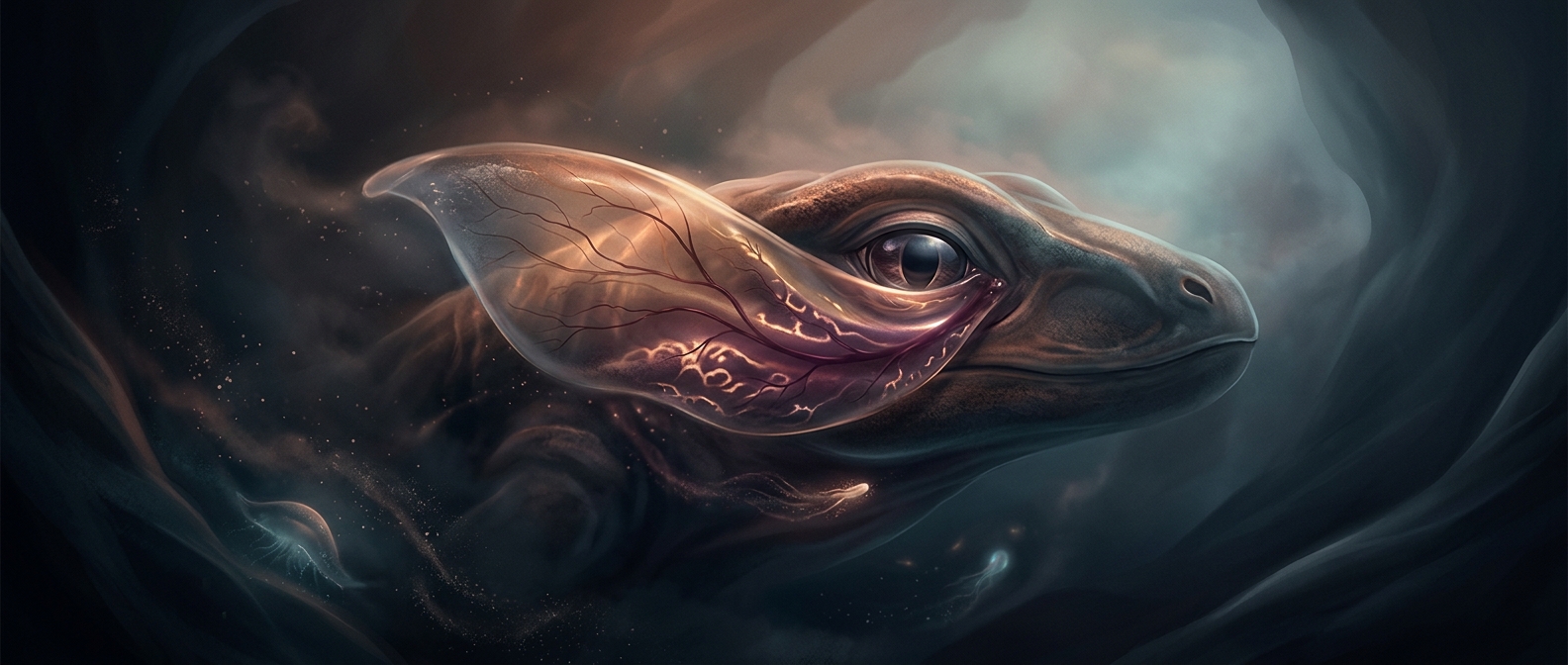
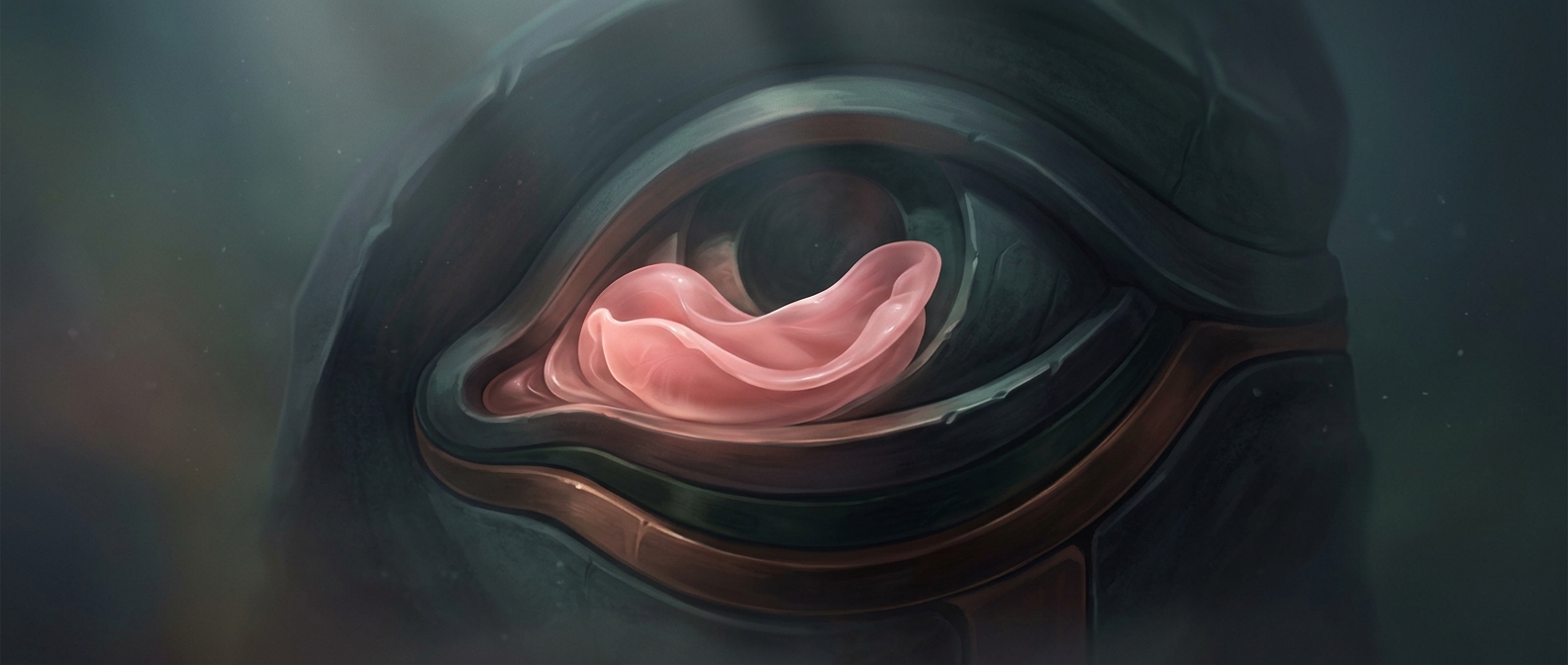
In animals with a developed third eyelid, the membrane moves sideways from the inner corner, briefly covering the eye without shutting it the way the upper and lower lids do. Often called a nictitating membrane, it can shield the eye from dust or injury while helping spread moisture over its surface. Its transparent or translucent quality lets an animal retain some vision as it moves.
That extra sweep is useful when an animal is moving through brush, swimming, or facing blowing grit. It supplements ordinary blinking rather than replacing it: the main eyelids still close to protect and moisten the eye.
What remains in humans
The small fold at the inner corner is called the plica semilunaris. It is generally understood as a reduced remnant of the third eyelid—not a working membrane that still sweeps across the human eye. Human blinking and the tear film, the thin layer of fluid covering the eye, do most of the routine cleaning and protection.
The fold’s position helps explain why it can trap a bit of debris or collect discharge. But it cannot move over the eyeball like a full third eyelid. The evolutionary change is visible in miniature: the corner of your eye preserves the outline of a protective mechanism that, in other animals, still makes a pass across the eye.