Two muscle systems adjust the pupil
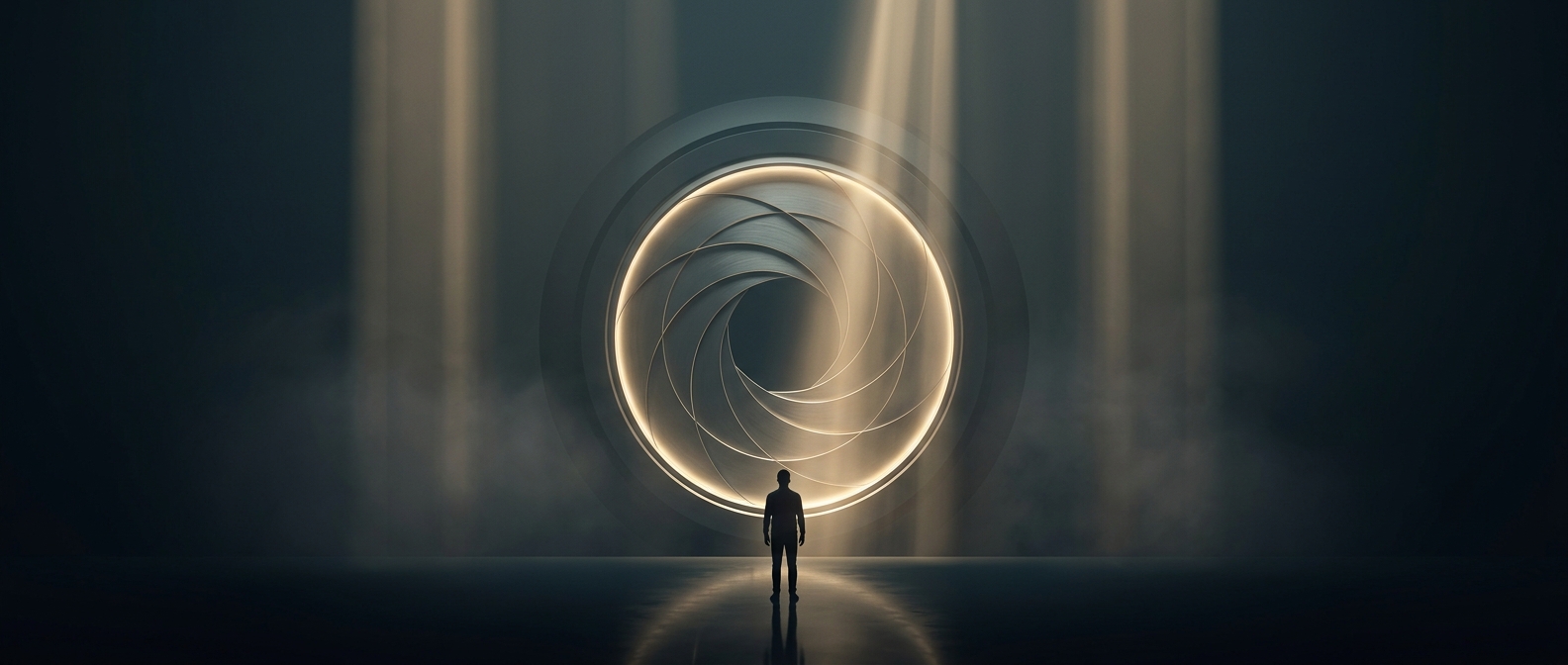
The iris is the colored ring around the pupil, and its muscles change the size of that opening. A circular muscle tightens around the pupil to make it smaller; a set of spoke-like muscles pulls outward to make it larger. These movements are automatic, coordinated largely by the nervous system rather than consciously controlled.
In bright conditions, narrowing the pupil limits the light entering the eye. In dim conditions, widening it lets more light through. The change is a quick first response, but it does not make the eye behave exactly like a camera: the retina also adjusts its sensitivity, and the brain combines signals from both eyes to interpret a scene.
Light is not the only signal
Pupils also change size for reasons besides brightness. Near focusing can make them constrict, and emotional or alert states can affect their size through the nervous system. That means pupil size reflects a mix of incoming light and the body’s state—not simply how bright a room looks.
The adjustment has limits. A widened pupil cannot create light that is not there, and a narrowed one cannot by itself prevent glare from overwhelming vision. Still, the iris makes a useful tradeoff in a fraction of a second: it changes the amount of light reaching the retina while the rest of the visual system works to make sense of what arrives.