Why a newborn’s eyes look so large
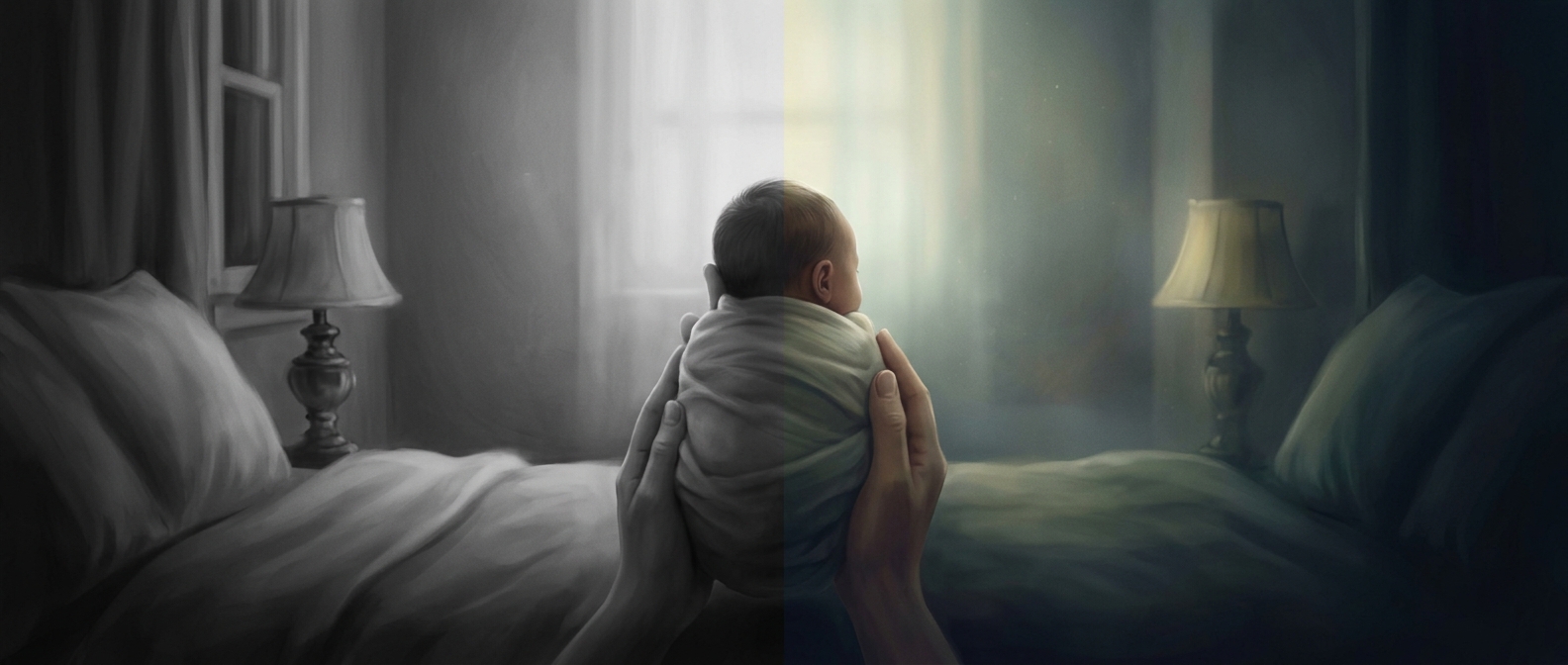
A baby’s eyes seem prominent partly because the face around them is still small. The forehead, cheeks, nose, and jaw will all change substantially as the child grows, shifting the balance of the face. The eyes do grow too, but they start much closer to their later size than many other facial features do.
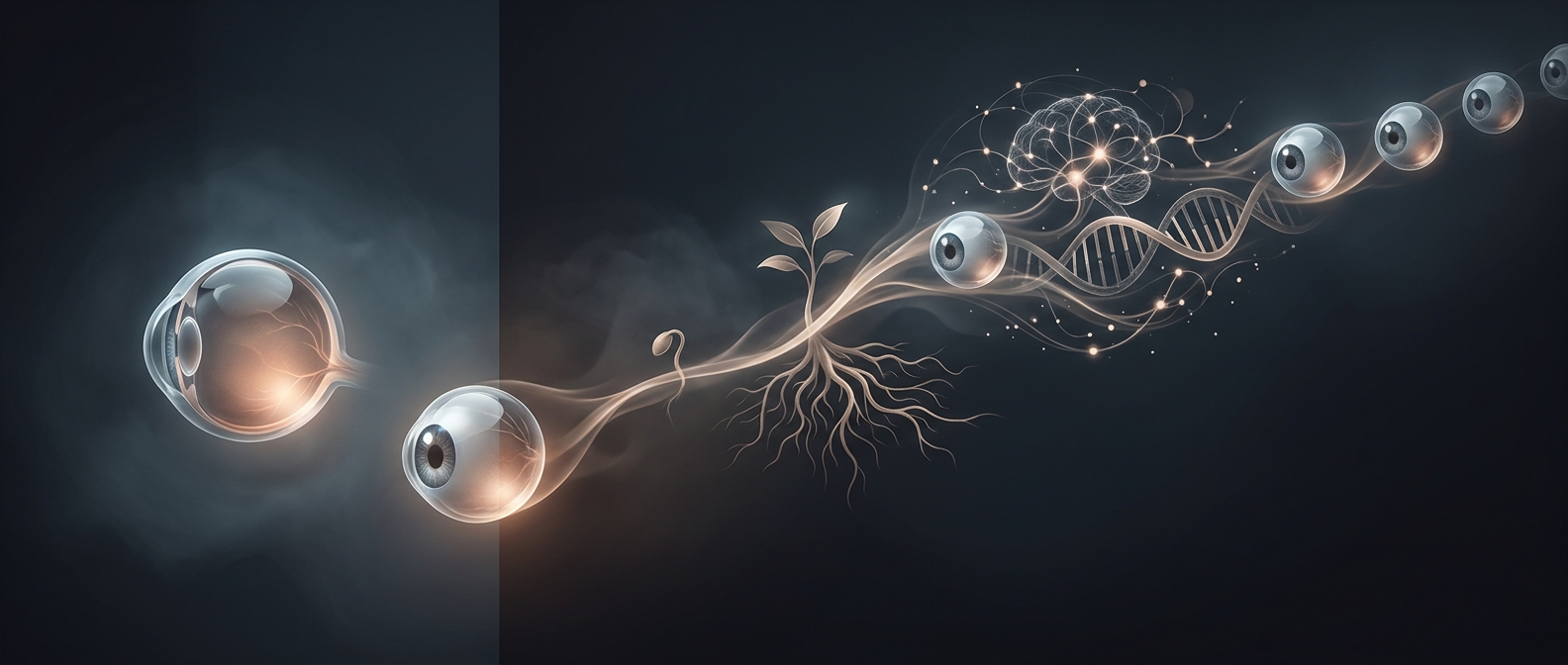
That is a matter of proportion, not a sign that the eyes are already finished developing. The eyeball lengthens after birth, especially in early childhood, as the eye adjusts to focus images clearly on the retina—the light-sensitive tissue at the back of the eye. The cornea and lens also develop, helping refine that focus.
Growth is about more than appearance
Because the surrounding face expands around the eyes, their relative prominence usually fades with age. But eye growth matters for vision as well as appearance: changes in the eyeball’s length affect where light comes to a focus. If growth and focusing do not match, a child may develop a refractive error, such as nearsightedness, and need glasses.
So the striking newborn look comes from a real mismatch in proportions, while the eyes themselves still have important growing and focusing work ahead. A baby’s eyes may look nearly adult-sized beside the face, but they are not simply miniature adult eyes.