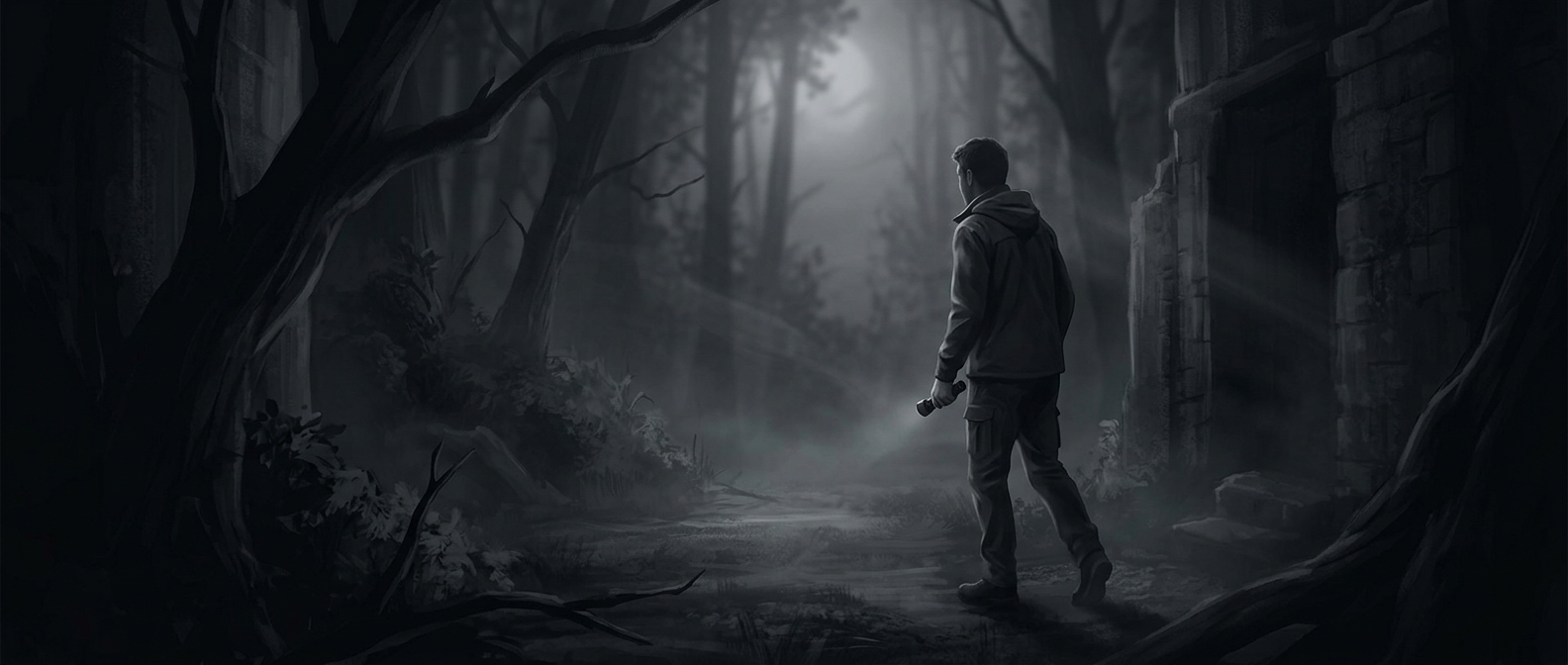
Why dim light erases color
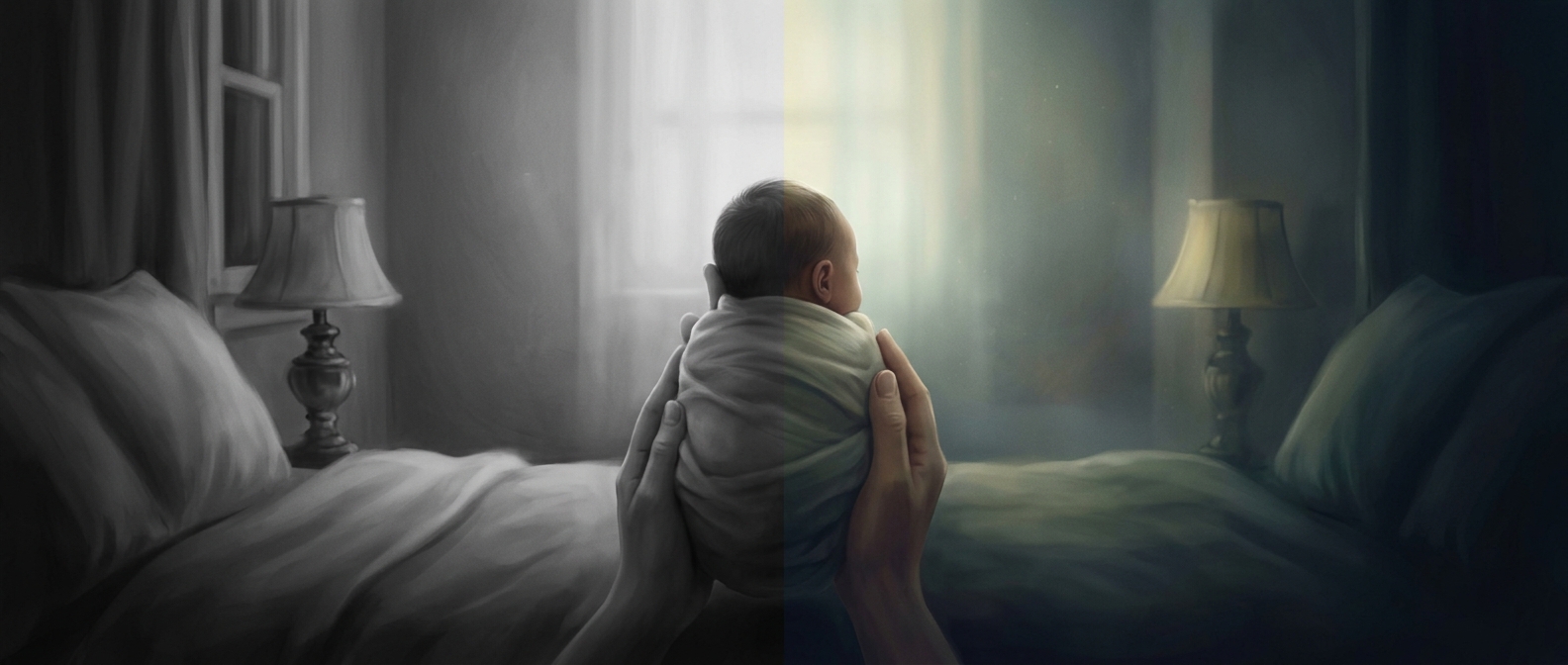
The retina, the light-sensitive layer at the back of the eye, uses two kinds of cells to detect light. Cones work best in bright conditions and come in types tuned to different ranges of color. The brain compares their signals to distinguish hues. Rods are far more responsive when light is scarce, but they do not provide those separate color signals. As rods take over, the brain has less information to work with for telling one color from another.
Sensitivity comes at a cost
Rods gain sensitivity partly by pooling information: signals from several rods can combine, helping the brain register a faint glimmer that any one cell might miss. That makes it easier to detect shapes and movement in darkness, but it sacrifices fine detail as well as color. Cones, by contrast, provide sharper, color-rich information, but need more light to do so.
This shift is gradual, not an instant switch. In twilight, colors may look muted because cones still contribute while rods become increasingly important. In very dim conditions, a faint object can be easier to notice when you look slightly to one side of it: the center of your gaze has many cones, while rod-rich areas farther out are better at detecting weak light. You may see that the object is there before you can tell what color it is.