How the Retina Turns Light Into Color
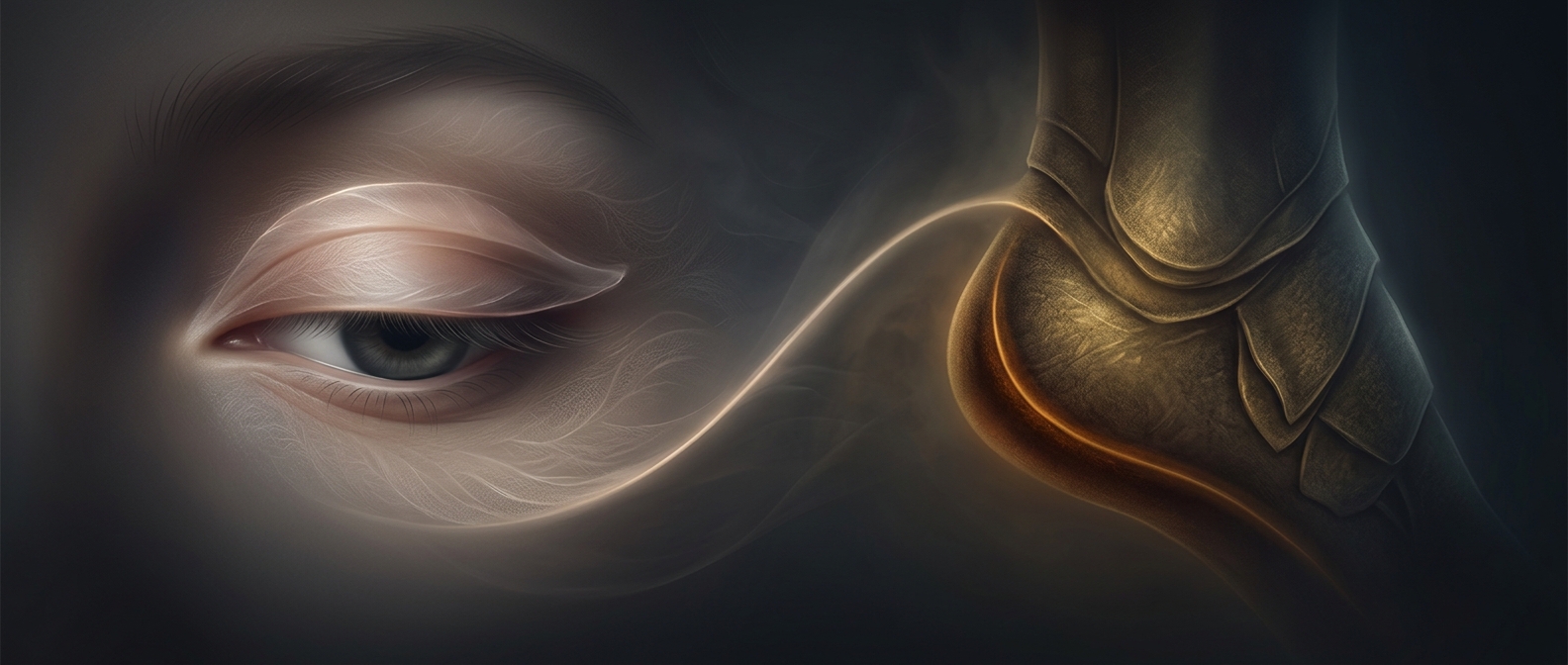
Color begins with three kinds of cone cells, each most sensitive to a different, overlapping range of wavelengths—the parts of light associated with different colors. A cone does not label a wavelength as “red” or “blue.” It sends a signal according to how strongly it responds, and many wavelengths can activate more than one cone type.
That overlap is useful: retinal circuits compare the cones’ activity rather than reading any one signal in isolation. The comparisons produce channels that emphasize differences, including red versus green and blue versus yellow. The brain uses those contrasts, along with information about brightness, to construct the color we perceive. Because the signals change gradually as the mix of wavelengths changes, nearby shades can remain distinguishable instead of collapsing into a few broad categories.
Why Color Changes With the Light
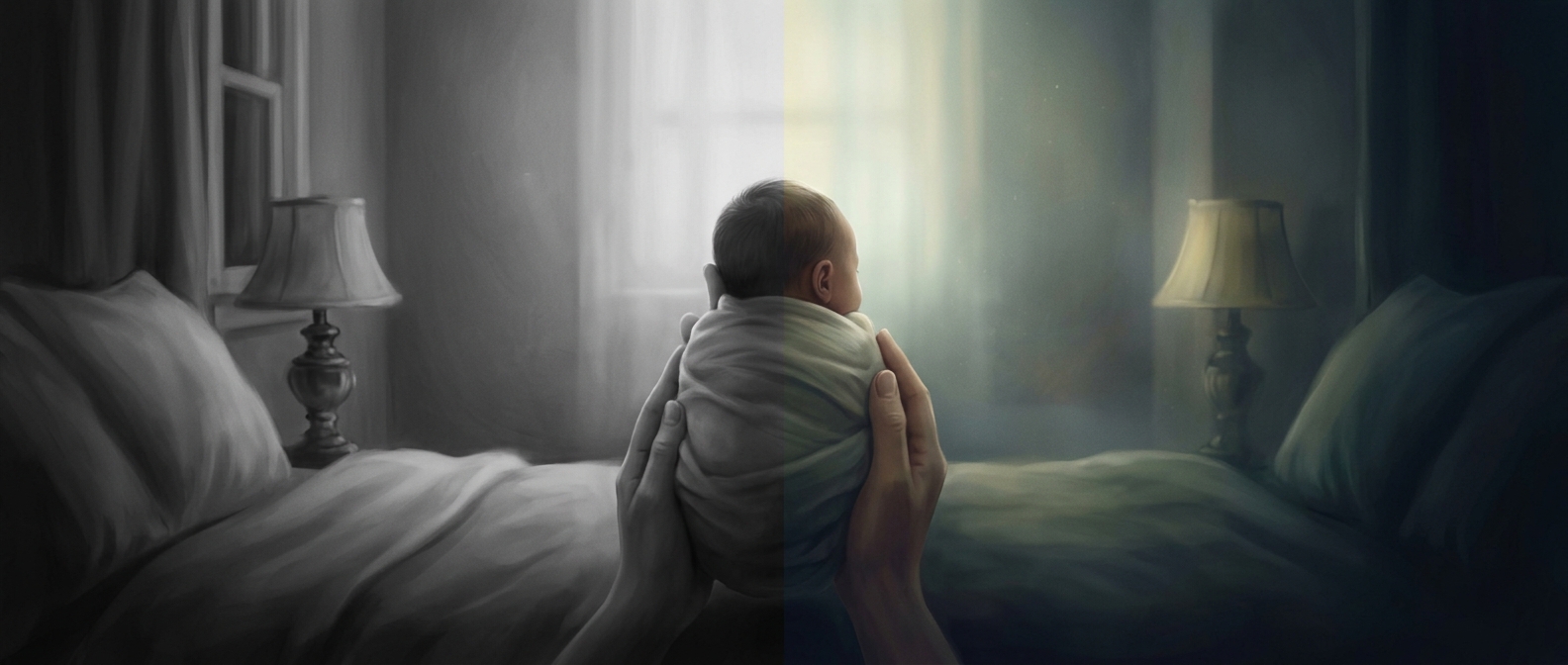
Color perception also depends on conditions. In dim light, cones provide less information, and rods—retinal cells that are highly sensitive to light but do not distinguish color—contribute more to vision. That is why a richly colored scene can look muted at dusk.
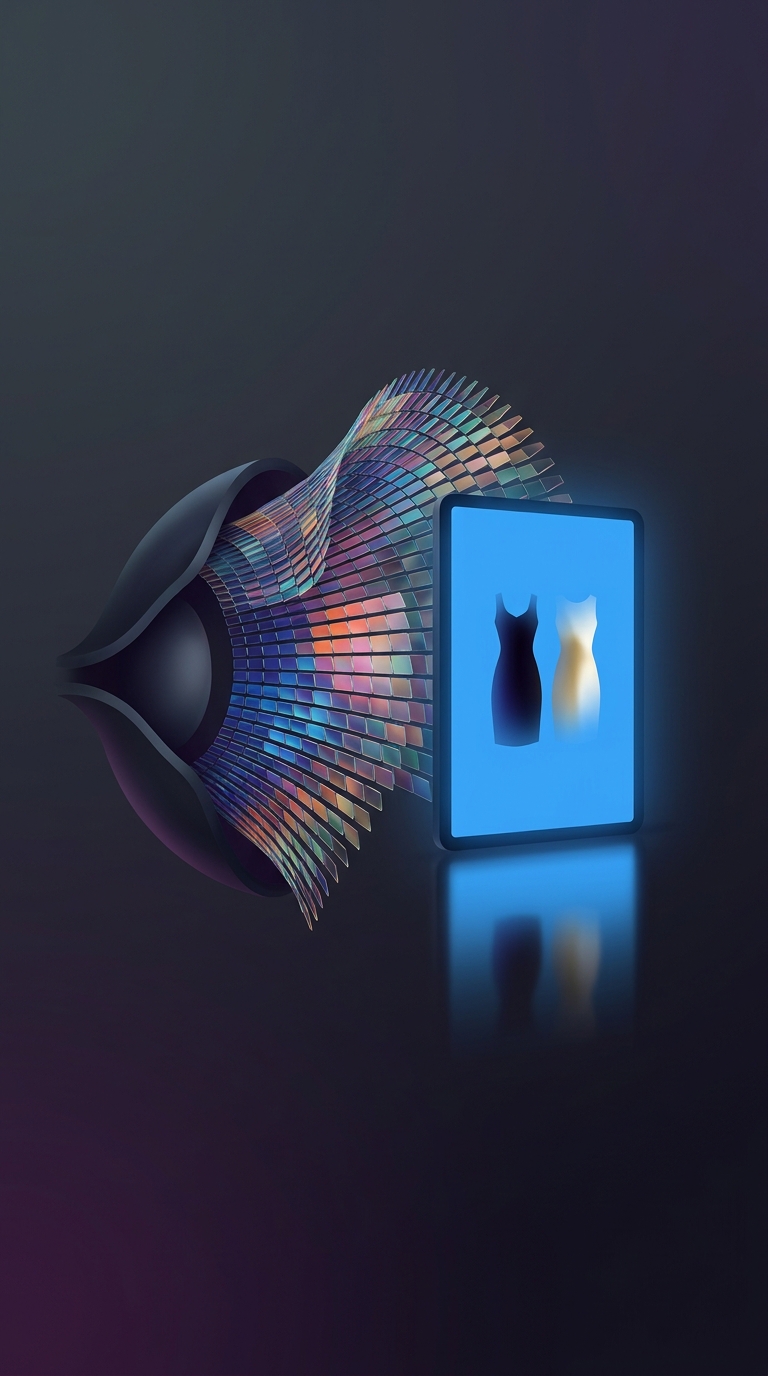
The brain also adjusts its interpretation to the surrounding illumination. A surface may still look roughly the same color under warm indoor light and cooler daylight, even though the light reaching the eye has changed. This helps us recognize objects across settings, but it means color is not simply a fixed property delivered by the eye: it is an estimate built from signals and context. A subtle shift in a sunset’s light can therefore register as a subtle shift in color, while the same scene under dimmer conditions may lose much of that detail.