How Water Triggers Finger Wrinkles
After your hands or feet stay wet for a while, nerves in the skin signal tiny blood vessels beneath its surface to narrow. This is vasoconstriction: the vessels become smaller, reducing the amount of blood in the tissue beneath the skin. The response is involuntary and controlled by the autonomic nervous system, which also regulates functions such as heart rate and digestion.
As that underlying tissue loses some volume, the skin’s surface buckles into ridges. It is not simply absorbing water and swelling like a sponge. The change comes from within, as the nervous system alters the shape of the tissue under the skin.
Why the Ridges May Help
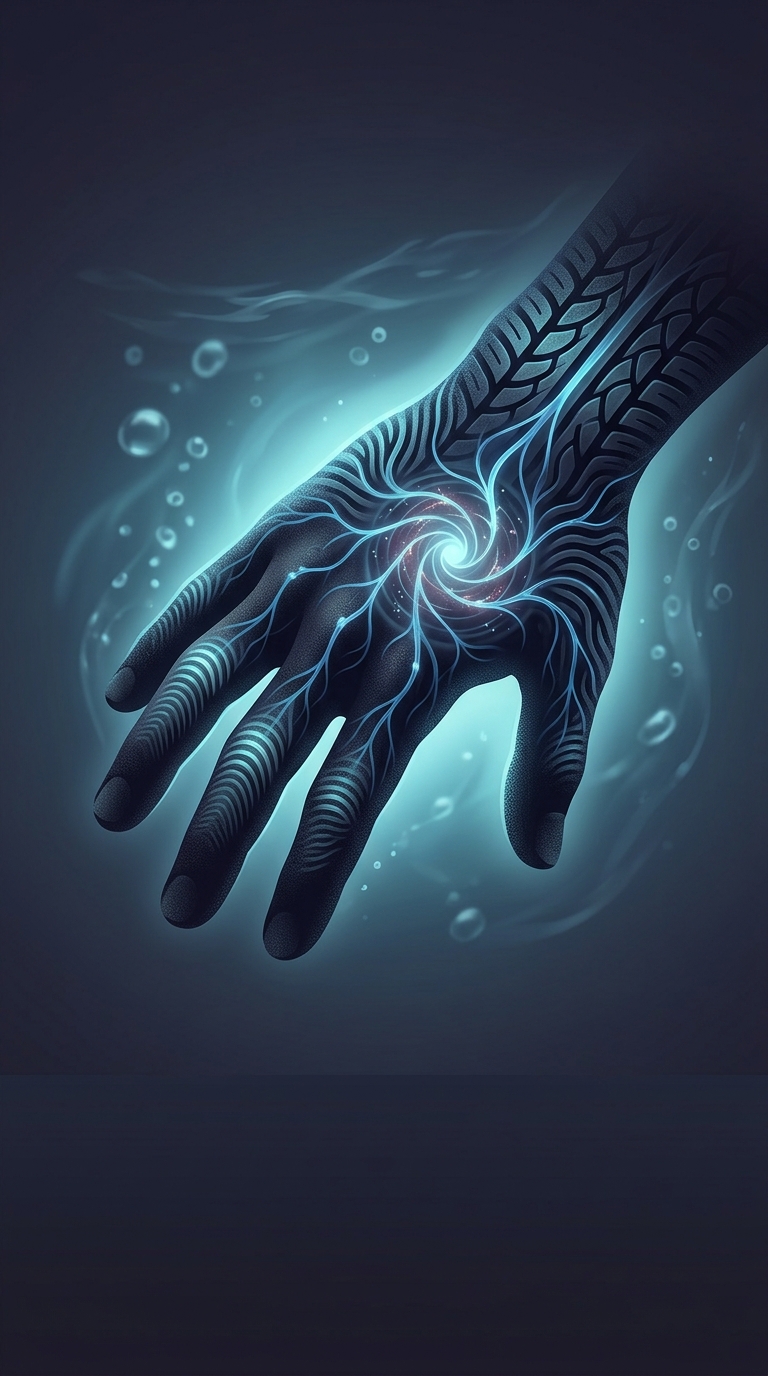
On fingertips and toe pads, the new grooves can help water move away from the points where skin meets a wet surface. That may improve traction, much as tread helps a shoe grip, though the exact benefit depends on the surface and conditions.
The effect is most noticeable on fingers and toes, where gripping and balance matter. A seemingly ordinary sign of a long bath is therefore also a visible example of nerves changing the body’s surface—not by moving the skin directly, but by changing the blood flow beneath it.