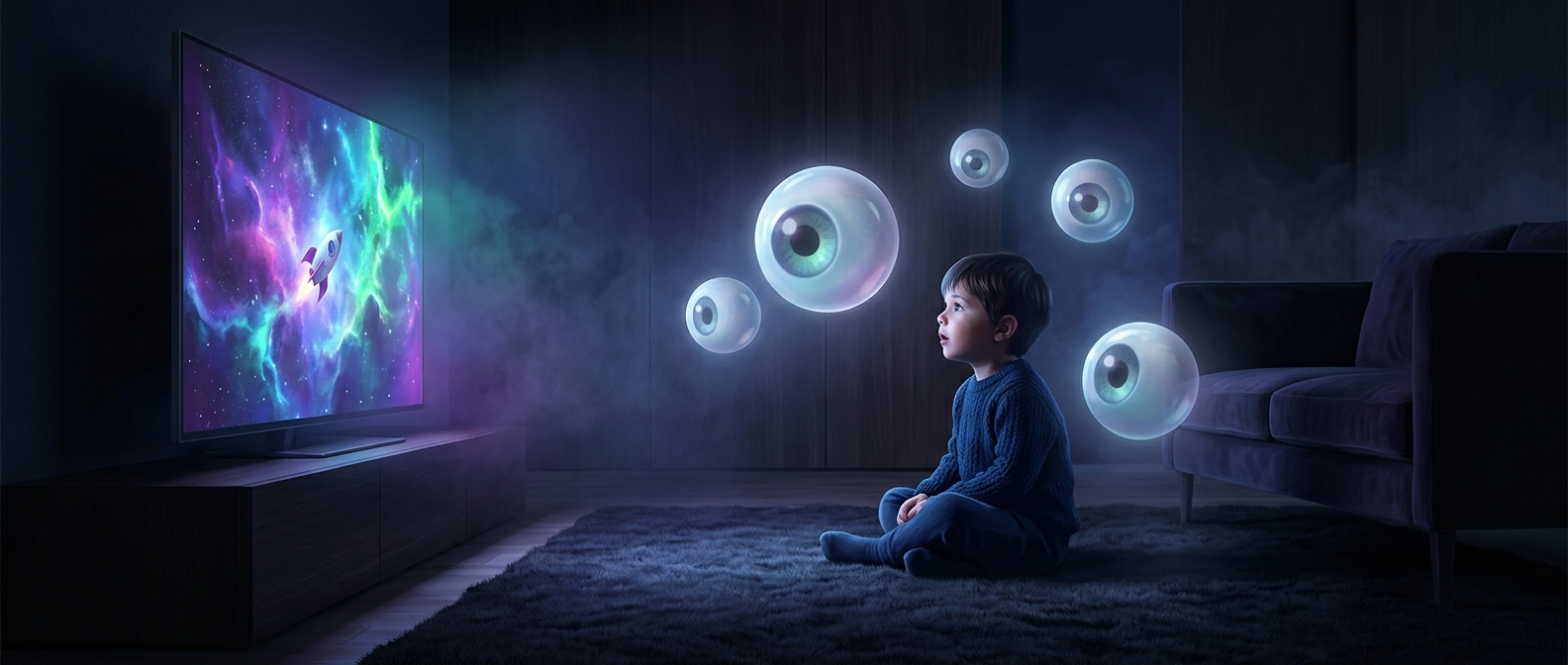
Screens interrupt the tear-film routine
Each blink spreads a thin layer of tears across the eye’s surface, keeping it smooth and comfortable. When you concentrate on a screen, you tend to blink less often—and some blinks may not fully close your eyelids. The tear layer then breaks up faster than it can be refreshed, leaving exposed patches that can feel dry, gritty, or stingy.
A screen’s glow is not the whole story. Long stretches of reading or scrolling keep your eyes open and focused, so the surface has fewer chances to be rewetted. Air blowing from a vent or fan can make moisture evaporate even faster.
Near focus adds a second kind of fatigue
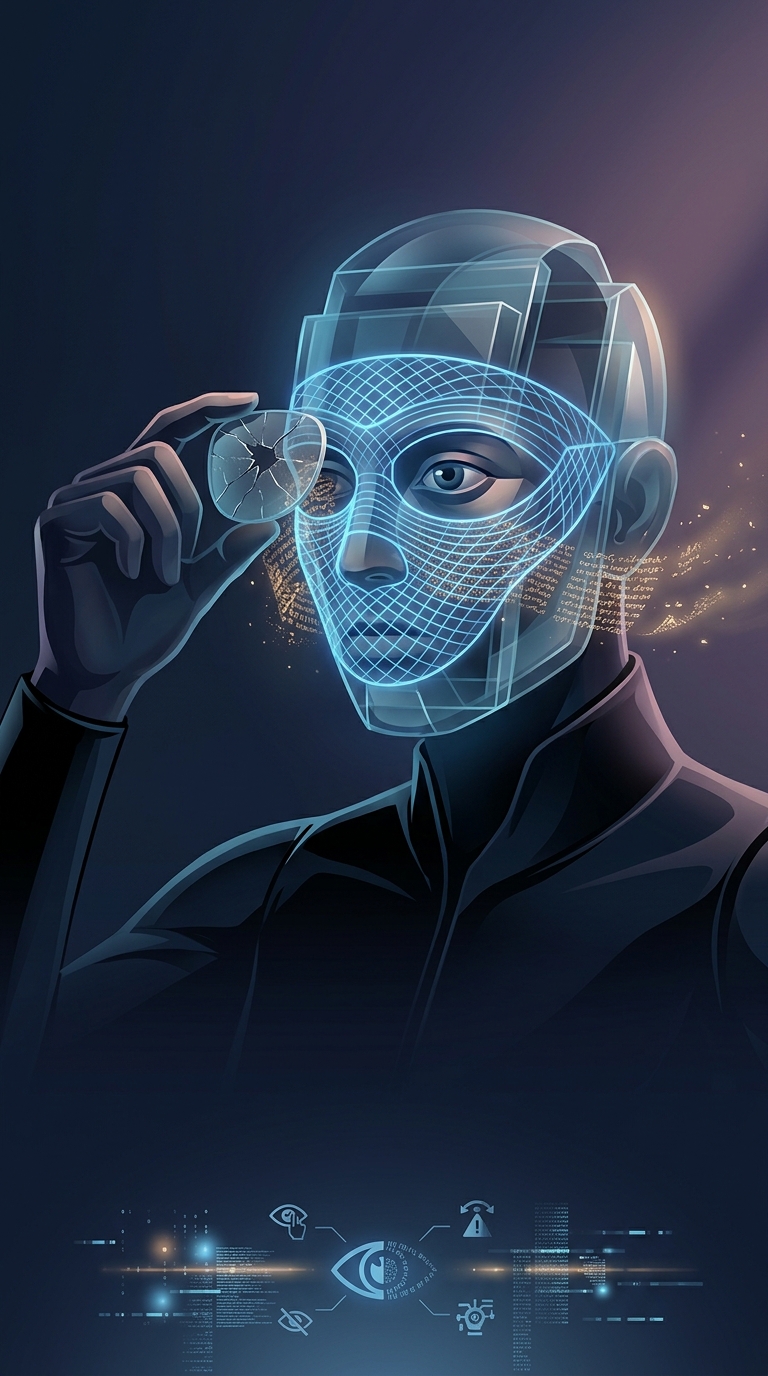
Looking at a phone or laptop also asks the eyes’ focusing system to hold a near target steadily. The small muscles involved in focusing can tire during prolonged close work, producing a heavy, achy feeling or temporary blur. Dryness and focusing fatigue often happen together, which is why “tired eyes” can feel both scratchy and strained.
Give your eyes chances to reset
Look away from the screen regularly and focus on something farther away; that lets the near-focus effort ease. Blink deliberately a few times, and adjust your setup so air is not blowing directly at your face. The useful reset is not just closing an app—it is changing what your eyes are doing. If pain, redness, or blurred vision persists after screen time ends, or keeps returning, an eye-care professional can check for other causes.