Why your eyes keep shifting
Your eyes do not scan a scene in one smooth sweep. They make quick jumps called saccades, shifting the point of sharpest vision from one detail to another: a face, a word, then the next word. Between jumps, they pause briefly so the retina—the light-sensitive layer at the back of the eye—can capture useful detail.
That pattern is essential because sharp vision covers only a small part of what you see. The rest of the scene is less detailed, so your eyes repeatedly bring important parts into that narrow high-resolution zone. Reading makes the process easy to notice: your gaze lands on clusters of letters, then leaps ahead, rather than gliding evenly across every character.
Keeping the picture usable
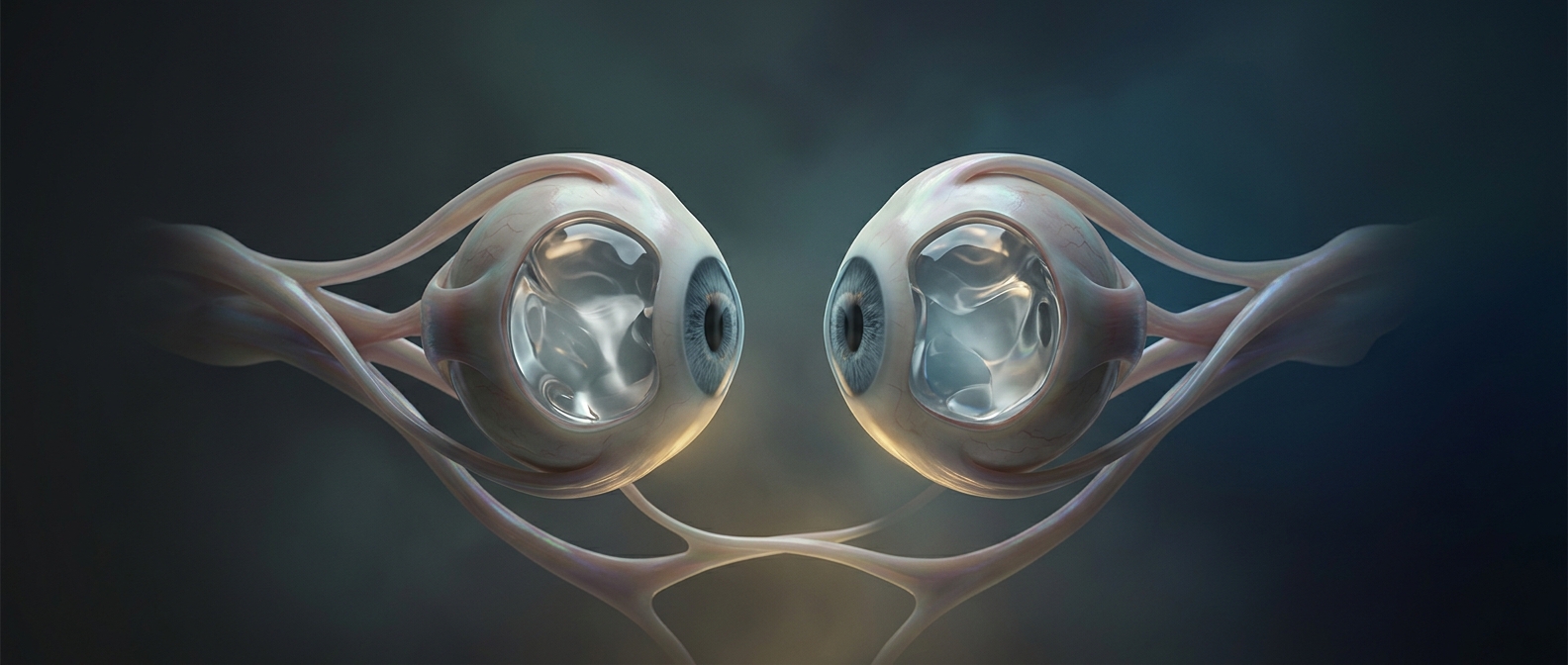
The muscles that move the eyeballs work in coordinated pairs. One muscle pulls an eye in a direction while another relaxes or counters the movement, allowing both eyes to aim at the same target. The brain plans these shifts rapidly, using the scene and your task to decide where to look next.
Not every eye movement is a deliberate look-around. Tiny adjustments continue even while you appear to stare at one spot; without them, the image would fade from perception as the same visual signals reached the retina without change. Other movements help keep a target in view when your head moves.
Moving the eyes is also different from focusing them. Eye muscles aim the eyeballs; a separate muscle inside each eye changes the lens’s shape to focus on near or distant objects. So the daily tally reflects a busy system doing more than one job: directing sharp vision, maintaining a target, and preventing a fixed view from becoming perceptually stale.