Why a jump doesn’t look like a blur
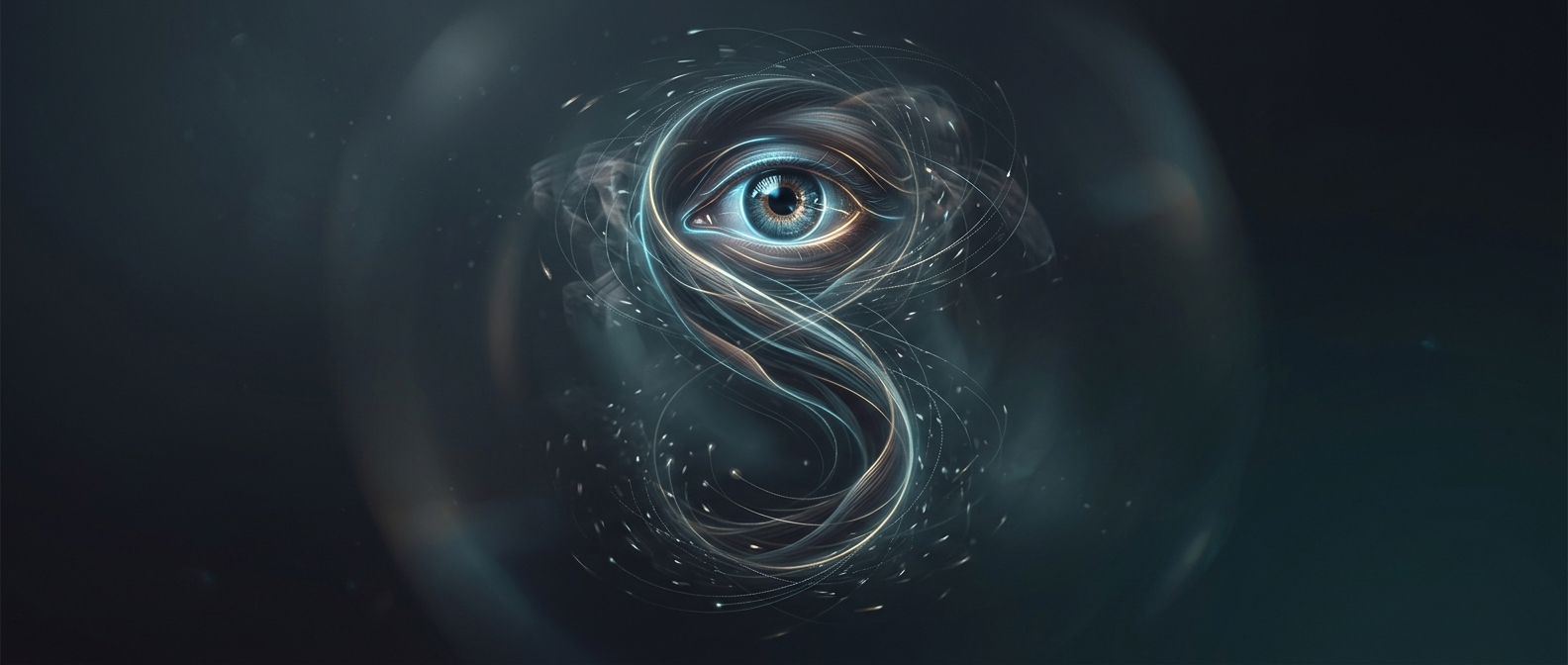
A saccade can shift your gaze across a line of text in a fraction of a second. If the world seemed to sweep across your vision during every jump, reading would be disorienting. Instead, visual sensitivity briefly dips around the movement, a phenomenon called saccadic suppression. The brain uses this momentary reduction in input, along with what it sees before and after the jump, to keep the scene feeling stable.
That doesn’t mean the brain records every point along the path and blends it into a movie. It gets its clearest view when the eyes pause. During those brief pauses, called fixations, the brain identifies letters and words and works out what they mean.
Reading is a series of decisions
The next jump depends partly on what the reader has taken in. The eyes may move past a short, familiar word, but pause longer over an unfamiliar one. If a sentence stops making sense, they may jump backward to check an earlier word or phrase. Those backward movements are called regressions; they are a normal way to revisit information, not necessarily a sign of a problem.
So reading is not simply the eyes sweeping along a line at a steady pace. The brain alternates between gathering detail and directing the next glance. The apparent smooth scan is the result of those rapid movements and pauses working together.