How a sneeze recruits your eyelids
A sneeze is not just air being forced out of your nose. It is a coordinated reflex: sensory nerves detect irritation in the nose and send signals to the brainstem, which organizes a burst of activity across breathing and facial muscles.
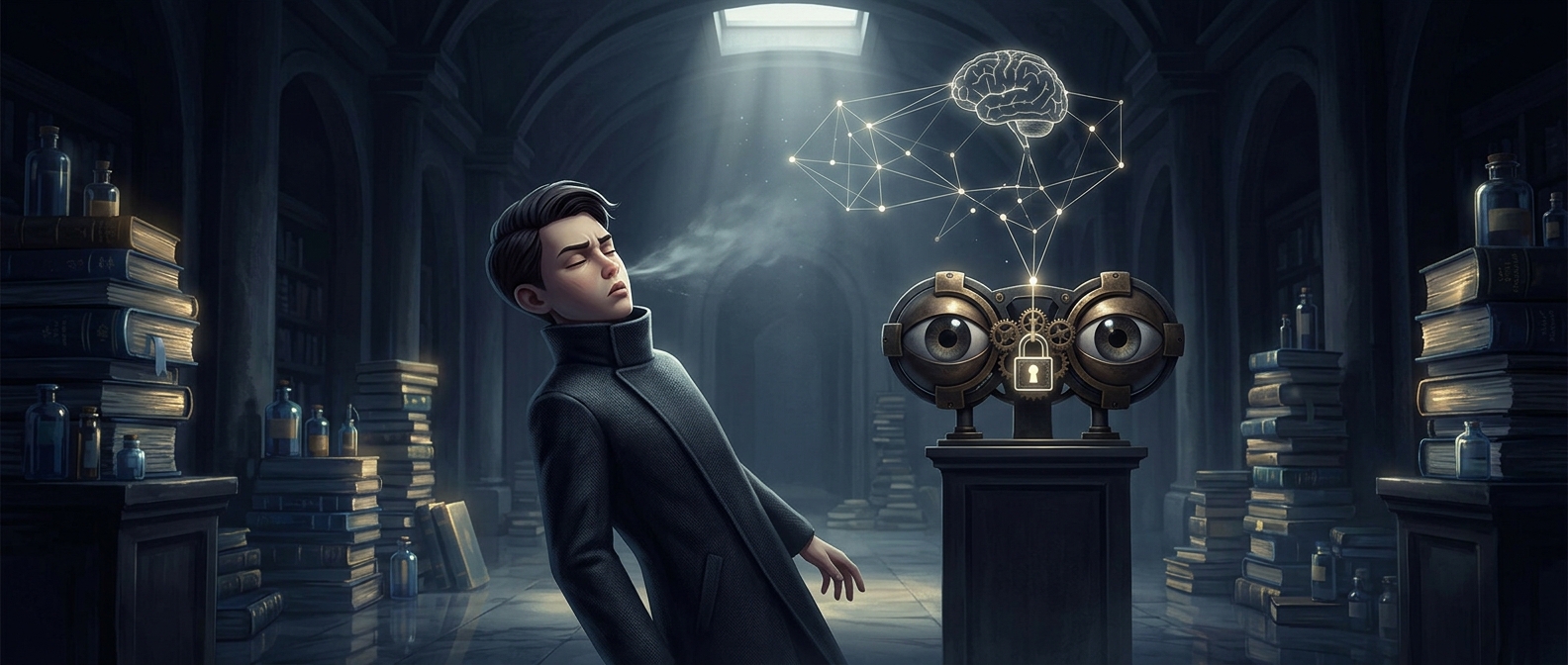
That response can activate the orbicularis oculi, the ring-shaped muscle around each eye that closes the eyelids. The same broad reflex sequence that prepares the chest, throat, and face for the sneeze can therefore shut the eyes before conscious control catches up.
Why willpower usually loses
A deliberate choice to keep your eyes open depends on processing the situation and sending a voluntary command to the eyelid muscles. A reflex runs on a faster, more automatic route. By the time you notice the urge to sneeze, the coordinated response may already be underway, leaving little time to override the closing motion.
Eyelid closure is part of the sneeze pattern, not a mechanical requirement for the sneeze itself. The practical result is simple: trying to stare through a sneeze is unreliable, because the muscles around your eyes are responding as part of the same rapid event as your chest and nose.