How a brief breathing reflex became a decades-long problem
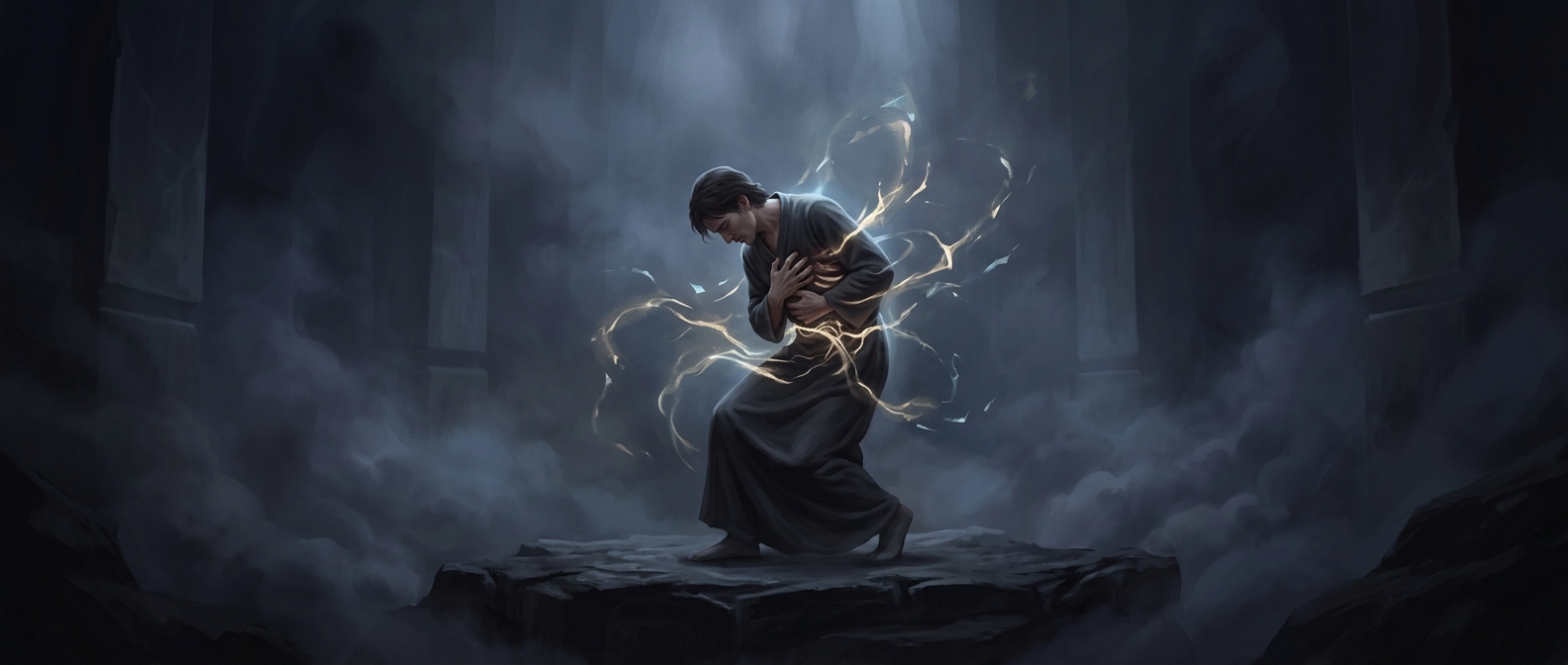
A hiccup is a sudden contraction of the diaphragm, the broad muscle beneath the lungs that drives much of ordinary breathing. The contraction pulls air in; almost immediately, the vocal cords snap shut, producing the familiar sound. Normally, the reflex stops quickly. In persistent hiccups, some part of the nerve-and-muscle circuit that coordinates the diaphragm and throat keeps firing when it should quiet down.
Charles Osborne’s case was extraordinary not because each hiccup was unusual, but because the reflex endured. The pig accident in 1922 marked the start of the problem, but the precise link between the fall and the hiccups was never established. A blow or other injury can plausibly disturb the systems involved in breathing, yet the reason Osborne’s symptoms continued for so long remains unknown.
Why the loop can be hard to stop
The hiccup reflex involves nerves that carry signals from the diaphragm and chest, processing in the brainstem, and nerves that send commands back to the breathing muscles. Irritation or disruption anywhere along that route can trigger hiccups. When the reflex becomes persistent, it can interfere with eating, sleeping, and speaking—not merely interrupt a conversation for a few seconds.
That persistence also makes the cause difficult to pin down. A hiccup can begin after a temporary irritation, while a long-lasting episode may involve a different or continuing disturbance. Without a clear explanation for Osborne’s case, the estimated total of 430 million hiccups is a measure of how long the loop lasted, not evidence that anyone knows exactly what kept it running.